The Best Techwear Jackets Under $250
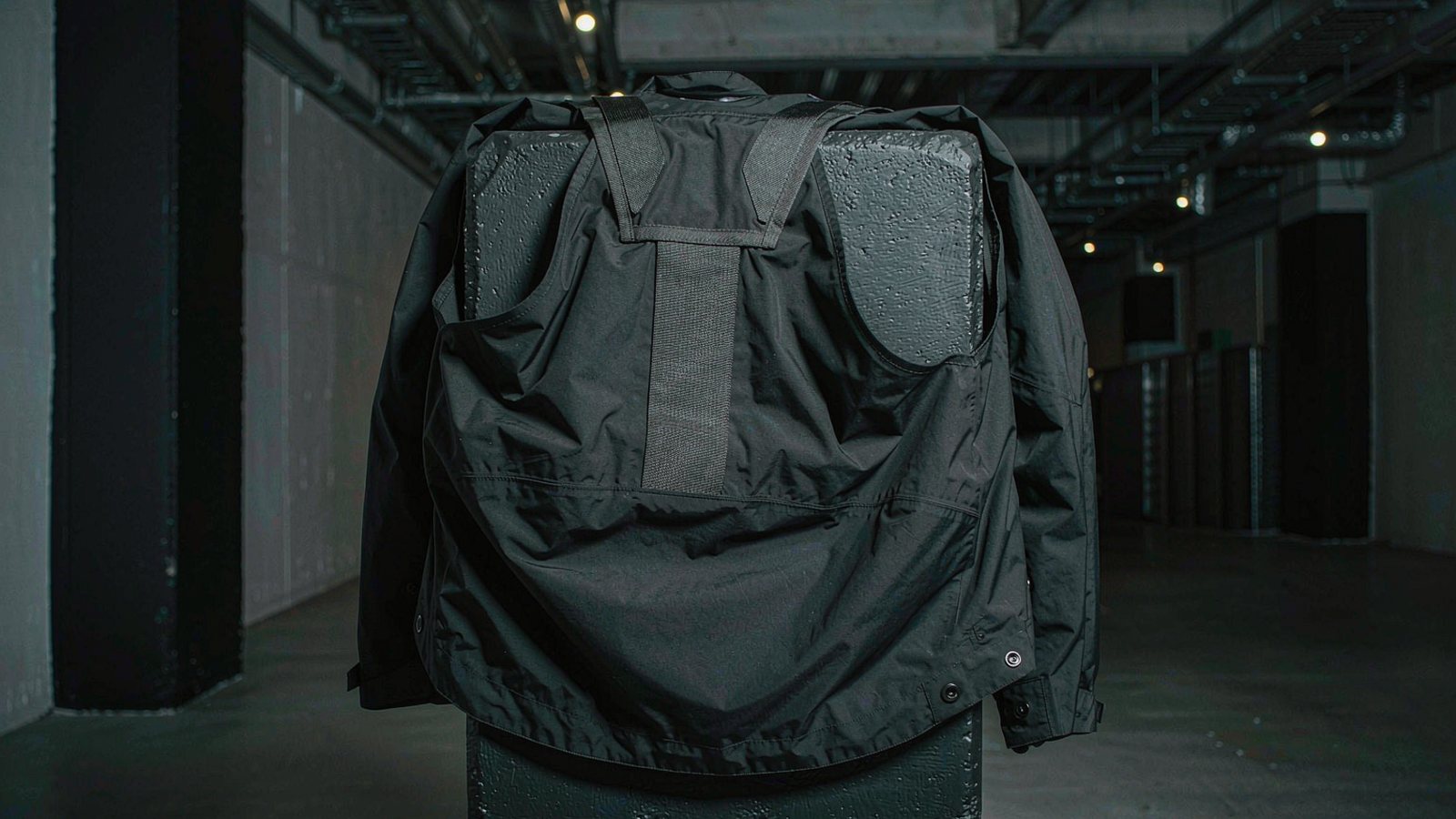
Technical jackets under a sensible budget, judged on waterproof ratings, seam sealing, breathability and whether the styling hides a weak shell.
Top picks at a glance
Tap any pick to jump to the full breakdown, or use the link to check the current price.
| Pick | Best for | Check price |
|---|---|---|
| Patagonia Torrentshell 3L Rain Jacket Best overall | Actually staying dry, in any setting, without paying shell prices | Check price |
| The North Face Antora Rain Jacket Best budget | Commuting and travel where the jacket needs to be light and replaceable | Check price |
| Nike ACG Storm-FIT Cascade Rains Jacket Best street-end techwear | Wearing the techwear look in real rain without looking like a hiker | Check price |
| Rains Jacket Best minimalist silhouette | City rain and a pared-back look with no logos or straps | Check price |
| Arc'teryx Squamish Hoody Best packable windshell | Windy days and travel where weather protection is secondary to weight | Check price |
| Salomon Bonatti Waterproof Jacket Best for moving fast | Running, cycling and fast movement in rain rather than standing around in it | Check price |
Techwear sells an aesthetic, and a lot of what is sold under that label is a basic shell with straps and a matte finish. None of that is wrong, but it means two completely different jackets end up on the same rack at the same price: one that will keep you dry in a downpour, and one that will look good in light rain and soak through within twenty minutes.
Sorting them out takes about four specifications, and none of them are visible in a product photo.
Two very different jackets get sold as techwear
Waterproof shells
A waterproof shell has a membrane or a waterproof coating, and it stays dry because water physically cannot pass through the material. The two things that decide whether it works are the hydrostatic head, which is how much water pressure the fabric resists before it leaks, and whether the seams are taped. Seams are stitched, and stitching makes holes, so an untaped seam is a leak regardless of the fabric rating.
Fully taped means every seam is covered. Critically taped means only the seams that get the most water, usually at the shoulders and chest. For ordinary city rain, critically taped is usually fine. For anything sustained, fully taped is the difference between dry and wet.
Windshells and softshells
A windshell is a very thin, tightly woven fabric that blocks wind. It is not waterproof, it usually has a water-repellent finish that sheds drizzle for a few minutes, and it is dramatically lighter and more packable than a shell. It is a genuinely useful garment and a bad substitute for a rain jacket.
A softshell is a stretchy, breathable woven with some water resistance and no membrane. It is comfortable for moving in cool, dry conditions and it will wet through in proper rain.
Membranes and DWR finishes
Where a jacket has a membrane, it is usually a polyurethane or a polytetrafluoroethylene laminate. The laminate is what keeps water out and lets vapour through. The DWR is a separate chemical finish on the face fabric that makes water bead and roll off so the face does not wet out and block breathability.
Newer jackets increasingly use PFC-free DWR, which is better environmentally and generally needs reapplying more often than the older fluorinated finishes. That is a real trade-off rather than a marketing line.
What actually costs money in a jacket
- Construction layers. A three-layer laminate is the most durable and the most expensive. It is also stiffer and noisier.
- Seam taping coverage. Fully taped costs more and leaks less.
- Zips. Water-resistant zips and storm flaps add cost and reduce leaks at the front.
- Hood engineering. A hood with a wired or laminated brim, one-handed adjustment and a high collar is expensive to make and is the difference between a usable hood and a decorative one.
- Ventilation. Pit zips cost money and are worth it, because they manage sweat far better than fabric breathability alone in humid rain.
What we would not pay extra for
- Tactical webbing, MOLLE panels and strap systems. They add weight and catch on things, and almost nobody attaches anything to them.
- A very high hydrostatic head on a jacket with critically taped seams. The seams will fail first.
- “Magnetic” closures and unusual fastenings. They fail sooner than a zip and are hard to repair.
- A matte black finish on a two-layer coating. The look does not change how the jacket performs.
- Hidden pockets in the lining that are too small to use. Check what actually fits before paying for pocket count.
A sizing and layering check
Technical jackets are cut for a specific layering system, and getting it wrong is the most common regret. The rule is that a shell should fit comfortably over the thickest mid layer you will realistically wear under it, and no looser than that, because excess volume lets the fabric flap and reduces warmth.
Measure your chest and compare it against the jacket’s stated chest measurement rather than the size letter. If a brand publishes pit-to-pit and sleeve length, use those. Also check the hem: it should sit low enough that it does not ride up when you raise your arms.
For the deliberately oversized techwear silhouettes, sizing is a styling decision rather than a fit decision, and it is worth trying on because the drop between sizes is often large.
How to keep a shell working
Wash it. The advice not to wash technical jackets is the reason most of them stop breathing. A shell that has been worn for a season has body oils and dirt in the face fabric, which is what causes it to wet out.
Use a technical cleaner, not ordinary detergent or softener, follow the temperature on the care label, and tumble on low if the label permits because a little heat reactivates the DWR. Then reapply a DWR spray or wash-in treatment when water stops beading. This routine is what keeps a mid-priced shell performing for years.
How this guide was put together
This comparison is based on published waterproof and breathability specifications, construction descriptions, care instructions and consistent themes in owner reports over multiple seasons. We did not run hydrostatic head tests or measure breathability, and where we describe durability or performance, we are summarising published specifications and owner experience rather than results we produced ourselves.
Prices change constantly, so we do not quote them. Check the current price, and confirm whether the seams are fully taped and whether the jacket is a shell or a windshell before you buy, because that distinction decides what you are actually getting.
Our picks in detail
Patagonia
01 Patagonia Torrentshell 3L Rain Jacket
A genuine three-layer waterproof shell with fully taped seams, sold at a price that undercuts most technical-looking jackets. The tradeoff is styling: it looks like hiking gear rather than streetwear, because it is hiking gear.
Best for: Actually staying dry, in any setting, without paying shell prices
- Three-layer waterproof and breathable laminate construction
- Fully taped seams and a storm flap over the main zip
- Adjustable hood with a laminated visor
- Pit zips for ventilation
Pros
- Three-layer construction is the durable standard, not a coating
- Fully taped seams rather than critically taped ones
- Brand repair support extends the lifespan considerably
Cons
- Looks like outdoor gear rather than a street piece
- Three-layer fabric is stiffer and crinkles
- Fabric feel is functional, not soft
We may earn a commission from this link. Learn more.
The North Face
02 The North Face Antora Rain Jacket
A cheap two-layer shell with a mesh lining that handles ordinary rain and packs down small. It is not built for sustained heavy weather, and the mesh lining adds bulk without adding warmth.
Best for: Commuting and travel where the jacket needs to be light and replaceable
- Two-layer waterproof shell with a mesh drop lining
- Seam-sealed construction
- Adjustable hood and elasticated cuffs
- Packs into its own pocket on some versions
Pros
- Very low cost for a seam-sealed shell
- Light enough to keep in a bag permanently
- Easy to replace without much thought
Cons
- Two-layer laminates are less durable than three-layer ones
- Mesh lining clings and feels cheap
- Breathability is modest, so it can get clammy
We may earn a commission from this link. Learn more.
Nike
03 Nike ACG Storm-FIT Cascade Rains Jacket
An outdoor-adjacent shell cut with the volume and hood geometry that techwear styling actually asks for. It is the best-looking pick here, and its technical specification is a step below the proper mountaineering shells.
Best for: Wearing the techwear look in real rain without looking like a hiker
- Waterproof and breathable shell fabric with taped seams
- Oversized adjustable hood with a structured brim
- Articulated sleeves and a relaxed, boxy cut
- Adjustable hem and cuffs
Pros
- Cut deliberately oversized, which is the point of the look
- Hood is genuinely usable rather than decorative
- Reads as streetwear in a way the outdoor shells do not
Cons
- Waterproofing specification trails dedicated mountaineering shells
- Premium price for a brand-name shell
- Oversized cut does not layer under a slim bag strap comfortably
We may earn a commission from this link. Learn more.
Rains
04 Rains Jacket
A clean, unlined PU raincoat with a very simple shape and no visible technical detailing. It is excellent in urban rain and largely useless for anything involving exertion, because it does not breathe.
Best for: City rain and a pared-back look with no logos or straps
- Coated polyurethane fabric with welded seams
- Unlined, with a simple button or zip front
- Adjustable hood and snap cuffs
- Minimal, logo-free styling
Pros
- Completely waterproof, including across the seams
- Clean silhouette that works over a suit or a hoodie
- No membrane to delaminate over time
Cons
- Does not breathe at all, so you will sweat inside it
- Unlined fabric feels cold and clammy against skin
- Stiff, and creases permanently at fold points
We may earn a commission from this link. Learn more.
Arc'teryx
05 Arc'teryx Squamish Hoody
A very light windshell that blocks wind far better than its weight suggests and packs to the size of a fist. It is not waterproof, and buying it expecting a rain jacket is the most common mistake with this garment.
Best for: Windy days and travel where weather protection is secondary to weight
- Lightweight ripstop nylon with a DWR finish
- Adjustable hood with a structured brim
- Zippered hand pockets and an adjustable hem
- Packs extremely small
Pros
- Excellent wind resistance for the weight
- Fits under almost anything
- Light enough to carry without noticing it
Cons
- Not waterproof; it sheds light rain for a few minutes at most
- DWR finish needs reapplying as it wears
- Expensive for what is a very thin layer
We may earn a commission from this link. Learn more.
Salomon
06 Salomon Bonatti Waterproof Jacket
A minimal waterproof shell designed for running, with taped seams and a very light construction. It offers almost no features beyond keeping rain off, and the slim cut limits layering.
Best for: Running, cycling and fast movement in rain rather than standing around in it
- Lightweight waterproof laminate with fully taped seams
- Slim athletic cut with elasticated cuffs
- Minimal hood with a simple adjustment
- Packs into a small integrated pocket
Pros
- Very light for a fully taped waterproof shell
- Breathable enough for genuine exertion
- Slim cut does not flap in wind
Cons
- Slim cut leaves little room for layering
- Few pockets, and no pit zips on some versions
- Thin fabric is not built for abrasion from a bag strap
We may earn a commission from this link. Learn more.
The bottom line
Our verdict
If you want one jacket that keeps rain out properly, the Patagonia Torrentshell 3L is the safest pick under this budget, because three-layer construction with fully taped seams is the standard that actually lasts, and the styling is the only real compromise. If the techwear look matters more than the specification, the Nike ACG shell gives you the silhouette and hood geometry with adequate waterproofing. The Rains jacket is the cleanest minimalist option for city use, provided you accept that it does not breathe. Be careful with the windshell category: the Arc'teryx Squamish is excellent at what it does, but it is not a rain jacket, and confusing the two is the most common expensive mistake here. Check the current price and the return policy before ordering.
Frequently asked questions
What hydrostatic head rating do I actually need?
Around 10,000 mm covers ordinary rain comfortably for a commute, and numbers in that range are common in this price bracket. Ratings well above that matter mainly for sustained, wind-driven rain or for sitting on wet ground. A jacket with a modest rating and fully taped seams will outperform a higher-rated jacket with critically taped ones.
What is the difference between two-layer, 2.5-layer and three-layer construction?
Two-layer jackets bond the membrane to a separate loose or mesh lining, which protects the membrane but adds bulk and weight. 2.5-layer uses a printed or sprayed protective layer inside instead of a lining, so it is lighter and less durable. Three-layer bonds the membrane between a face fabric and a backing, which is the most durable and the stiffest.
Does a DWR finish make a jacket waterproof?
No. DWR is a surface finish that makes water bead and roll off the face fabric, which helps breathability by preventing the outer from wetting out. The waterproofing comes from the membrane or coating underneath. DWR wears off with use and needs reapplying, and the jacket stays waterproof in the meantime.
Why do some technical jackets stop breathing after a year?
Usually the face fabric wets out, which blocks the escape of vapour even though the membrane is intact. The fix is washing the jacket properly with a technical cleaner, which removes oils and dirt, then reapplying a DWR. Wash-in softeners and ordinary detergents are the usual culprits.
Sources & further reading
- Patagonia — official Torrentshell rain jacket product page
- The North Face — official rain jacket product pages
- Arc'teryx — official windshell and shell product pages
Facts and availability last checked September 15, 2026.
Keep going
Related guides
 Streetwear
 Collab Sneakers: How to Tell Hype From a Genuinely Good Shoe
How to judge collaboration sneakers on tooling, materials and longevity rather than resale hype, with six collabs that illustrate the difference.
 Streetwear
 How to Shop Vintage and Thrift for Real Streetwear
A practical guide to dating, judging and buying vintage clothing, from tag eras and stitching to sizing, fakes and what is not worth hunting.
 Streetwear
 Streetwear Brands That Are Actually Worth the Price
A value test for streetwear brands, looking at fabric, construction, hardware, cut consistency and resale instead of hype and drop calendars.