Collab Sneakers: How to Tell Hype From a Genuinely Good Shoe
How to judge collaboration sneakers on tooling, materials and longevity rather than resale hype, with six collabs that illustrate the difference.
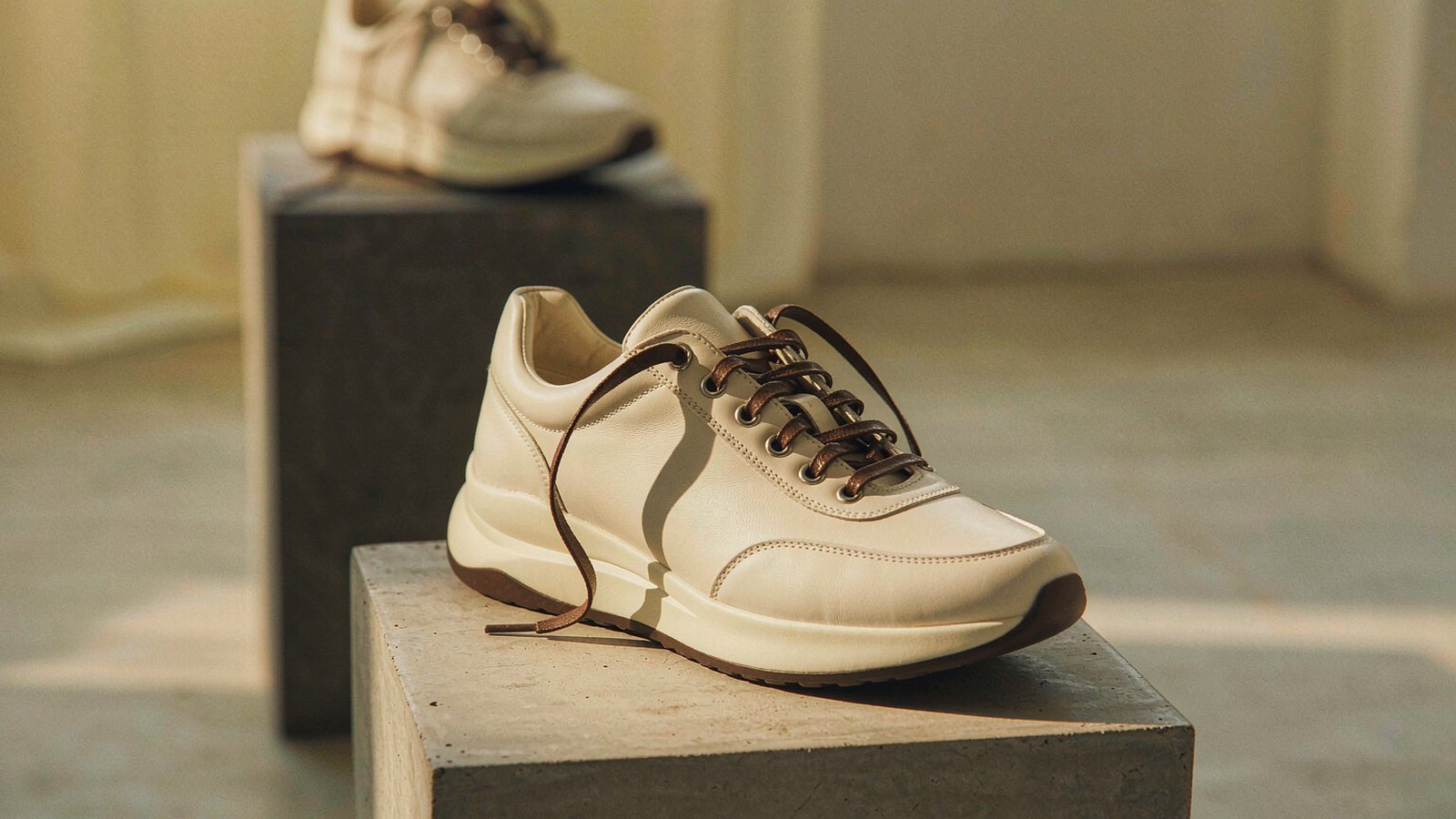
Top picks at a glance
Tap any pick to jump to the full breakdown, or use the link to check the current price.
| Pick | Best for | Check price |
|---|---|---|
| Salehe Bembury x Crocs Pollex Clog Best collab that changed the shoe | Seeing what a collaboration looks like when the designer actually touches the product | Check price |
| Comme des Garçons PLAY x Converse Chuck 70 Best logo collab | Anyone who wants the design and understands exactly what the premium is buying | Check price |
| New Balance 990v3 Made in USA Best quality-first collab era | Buying a genuinely better-made shoe instead of a rarer one | Check price |
| adidas Bad Bunny Campus Best comfortable hype shoe | Wearing a recognisable collaboration daily without worrying about ruining it | Check price |
| Nike x sacai VaporWaffle Best design-forward silhouette | Owning one piece that looks like nothing else in a rotation | Check price |
| Levi's x Nike Air Force 1 Low Best materials-led collab | Seeing what a material change does to a familiar silhouette | Check price |
A collaboration sneaker is two products in one box: a shoe, and a claim about the shoe. The shoe is either a familiar silhouette with a new colourway, or a genuinely rebuilt piece of design. The claim is usually that it is rare, important and worth more than retail.
Separating the two takes about four questions, and they are all about the object rather than the release calendar.
What a collaboration actually changes
Changed tooling and silhouette
The most substantive collaborations change the sole unit, the last or the panel layout. When the tooling is new, the shoe stands differently, the proportions shift and it no longer reads as the base model with a different colour on it.
Tooling changes are expensive, because a new mould costs real money and the volumes on a collaboration are small. That is why they are rare, and why they are the clearest signal that the designer had real input rather than a colour palette.
Upgraded materials
The second tier is a material swap on the standard pattern: pig suede instead of synthetic, full-grain leather instead of corrected grain, a different lining, a thicker insole. These changes affect how the shoe ages, and they are visible in a photograph if you know what to look for.
Pay attention to what was swapped and what was kept. A collaboration that upgrades the upper but keeps a thin, generic insole is halfway there.
Colourway only, which is the common case
Most collaborations are a colourway on an unchanged shoe. That is not a scandal. Colour is a legitimate design decision, and a good colourway on a good silhouette can be the best version of that shoe. But it is a different purchase, and the price should be judged against the base model rather than against hype.
The tell is simple: if you cannot identify a single structural or material difference from the standard model, you are buying a colourway.
How resale pricing is set and why it collapses
Resale markets work on the gap between what buyers will pay and what sellers will accept. When a release is genuinely limited and demand is high, that gap is wide and prices spike in the first weeks. Three things reliably close it.
Restocks. Additional supply is the single biggest cause of price drops on limited releases. A shoe that was selling well above retail can fall to near retail within days of a restock announcement.
Attention decay. Sneaker hype is a queue, and the release that mattered eight months ago is competing with three newer ones. Demand drifts.
General releases that resemble the collab. When the colourway logic appears on a widely stocked model, the original loses part of its distinctiveness.
A practical consequence: the market for a hyped shoe is at its most inflated right when it is hardest to buy, and at its most reasonable when it is least exciting. If you want the shoe rather than the status, waiting is usually rewarded.
What we would not pay extra for
- A logo on the insole or heel tab only. Nothing about the shoe changed.
- Raffle and draw access sold as a benefit. It is a distribution mechanism, not a product feature.
- Special packaging. Boxes get stored, damaged or thrown away, and they add cost.
- A collaboration colourway in a material that wears badly. A premium price on a synthetic upper is the worst of both.
- Resale pricing bought as an investment. Sneakers are a depreciating asset with a very narrow window, and the transaction costs on selling are real.
How to spot a fake without a lab
Counterfeiting concentrates where the resale premium is highest, which is squarely in this category.
Start with stitching density and consistency. Genuine shoes are stitched to a consistent length per inch and the lines are straight; copies often vary. Then check the material: press the leather and see whether it creases like leather or folds like plastic.
Look at the midsole paint line, which should be clean and even, and at the bonding where the upper meets the sole, which should not show glue. On the box, the label’s font, spacing and product code are worth comparing against verified images, since packaging is often where cheaper counterfeits slip.
Price is information. A collaboration selling far below the market rate is either a mistake or a fake, and in practice it is rarely the first one.
A note on wearing them
The most common mistake with collaborative shoes is buying the version you are afraid to wear. A shoe that stays in the box has delivered nothing, and its resale value is not guaranteed in the direction you hope.
If you plan to actually wear them, prefer colourways with some dirt tolerance, and expect that any limited release will be hard to replace if it gets scuffed. That argues for buying a second pair only if the shoe is genuinely comfortable, and for choosing a collab whose base shoe you already know you like.
How this guide was put together
This is an assessment of published release information, construction and material descriptions, and consistent themes in long-term owner and resale reports. We did not authenticate any specific pair or track a specific resale index, and where we discuss how prices behave, we are describing general patterns in the category rather than figures.
Values in this market move daily, so we do not quote them. Check the current price, compare against completed sales rather than asking prices, and buy from authorised channels when the price is close, because in this category the difference between a good deal and a problem is often very small.
Our picks in detail
Crocs
01 Salehe Bembury x Crocs Pollex Clog
A collaboration that redesigned the base product rather than recolouring it, replacing the classic clog's moulded shape with a completely new tooling. The honest note is that the aggressive aesthetic is not for everyone and the fit is unusual.
Best for: Seeing what a collaboration looks like when the designer actually touches the product
- Completely new moulded tooling rather than a recoloured base
- Fingerprint-inspired sculpted upper
- Pivoting heel strap and adjustable fit
- Single-piece foam construction with no glued components
Pros
- A genuinely different product, not a colourway exercise
- No glued sole to separate, because it is one mould
- Comfortable and easy to clean
Cons
- Unconventional look that does not suit every wardrobe
- Resale premiums on specific colourways
- Foam compresses over time and cannot be repaired
We may earn a commission from this link. Learn more.
Converse
02 Comme des Garçons PLAY x Converse Chuck 70
A near-perfect illustration of the graphic-only collaboration: the same Chuck 70 with a repeated heart logo, sold at a premium. If you want the logo, this is a clean way to buy it, and if you do not, the base shoe is a third of the price.
Best for: Anyone who wants the design and understands exactly what the premium is buying
- Standard Chuck 70 canvas and rubber construction
- Repeated heart-and-eyes graphic printed on the upper
- High or low top depending on the release
- Collaboration branding on the tongue and insole
Pros
- The base shoe is a solid, well-known canvas sneaker
- Graphic is printed rather than embroidered, so it does not distort the canvas
- Widely available, unlike most collaborations
Cons
- A large share of the price is the graphic alone
- Still a canvas shoe with minimal underfoot support
- The print can fade or crack at the flex point
We may earn a commission from this link. Learn more.
New Balance
03 New Balance 990v3 Made in USA
The Made in USA line, directed for a stretch by a guest creative lead, is the clearest example of a collaboration that raised material quality rather than just changing colours. It is expensive, and it is not a hype shoe, which is exactly the point.
Best for: Buying a genuinely better-made shoe instead of a rarer one
- Pig suede and mesh upper assembled in the United States
- ENCAP and ABZORB cushioning in the midsole
- Reflective detailing and a rubber outsole
- Seasonal colourways under a named creative direction
Pros
- Material quality that is visible and lasts
- Comfort suitable for long days on your feet
- Resale value holds reasonably because the shoe is genuinely good
Cons
- Expensive even with no collaboration attached
- Suede requires brushing and protection
- Not a hyped silhouette, so it will not impress anyone who is counting
We may earn a commission from this link. Learn more.
adidas
04 adidas Bad Bunny Campus
A collaboration that altered the Campus fairly substantially, with a doubled tongue and a restructured upper, and it is comfortable enough to actually wear. Availability is good, which in this category usually means the hype has already passed.
Best for: Wearing a recognisable collaboration daily without worrying about ruining it
- Suede upper with a doubled, padded tongue
- Restructured panel layout versus the standard Campus
- Rubber cupsole with a retro tread pattern
- Multiple colourways released over several seasons
Pros
- Notably comfortable for a collaboration silhouette
- Changes the base shoe in visible, structural ways
- Widely restocked, so prices stay near retail
Cons
- Restocks have reduced secondhand value considerably
- Suede on a light colourway shows every mark
- The doubled tongue adds bulk under slim trousers
We may earn a commission from this link. Learn more.
Nike
05 Nike x sacai VaporWaffle
A collaboration that genuinely rebuilt the shoe, with doubled tongues, laces and a layered sole unit that changes the whole stance. It is the most interesting design here and the least practical to wear every day.
Best for: Owning one piece that looks like nothing else in a rotation
- Layered, doubled upper construction
- Stacked sole unit combining two toolings
- Doubled laces and tongue detailing
- Trail-inspired outsole
Pros
- A real redesign rather than a material swap or a colourway
- Sole geometry gives a distinctive stance
- Holds interest longer than a colourway-only release
Cons
- Narrow or awkward fit for many wearers
- Not a comfortable shoe for long distances
- Premium pricing reflects the design, not the materials
We may earn a commission from this link. Learn more.
Levi's
06 Levi's x Nike Air Force 1 Low
A collaboration that swaps the standard leather upper for denim, which changes how the shoe ages in a way you can see. Denim wears differently from leather, and that is the point of the release.
Best for: Seeing what a material change does to a familiar silhouette
- Denim upper replacing the standard leather construction
- Standard Air Force 1 cupsole with Air cushioning
- Co-branded detailing on the tongue and heel
- Released in washes and colourways tied to the denim brand
Pros
- Material change is visible and affects how the shoe ages
- Underneath, the base shoe is durable and easy to clean
- Fades and creases in an interesting way over time
Cons
- Denim stains and is harder to clean than leather
- Denim fades unevenly at the toe box
- Commands a premium over the standard model for a material swap
We may earn a commission from this link. Learn more.
The bottom line
Our verdict
If you want to see what a collaboration can actually be, look at the Crocs Pollex, because the designer rebuilt the tooling rather than recolouring an existing model, and the shoe is different in ways that matter. If you want a genuinely better shoe rather than a rarer one, the Made in USA New Balance line is the honest answer, and it will outlast most of this list. The Comme des Garçons Converse is a clear-eyed example of the logo-only collaboration: buy it if you want the graphic, and do not pretend the shoe changed. Treat any collab whose price is driven by scarcity rather than materials as a fashion purchase, and remember that restocks have wiped out more resale value than any other single factor. Check the current price, and buy shoes you will actually wear.
Frequently asked questions
What actually makes a collab sneaker worth the money?
Three things: a changed silhouette or tooling, upgraded materials, and construction differences you can point to. If none of those are present, you are paying for a colourway and a logo. That can still be worth it to you, but it is a different kind of purchase and should be judged as one.
Why do collab sneakers lose resale value so quickly?
Restocks and re-releases are the biggest factor, because they increase supply without changing demand. Hype cycles also decay as attention moves to the next release, and general releases of similar colourways dilute the original. Buy for wear value rather than resale, and the timing stops mattering.
How can I check a collaboration is genuine?
Buy from authorised retailers or the brand's own channels where you can. If you are buying secondhand, compare stitching density, material feel, midsole paint lines and the box label against verified images, and treat prices far below market as a warning rather than an opportunity. Collaborations are among the most heavily counterfeited categories.
Do collab sneakers fit differently from the standard model?
Sometimes. Some collaborations change the last or add padding and materials, which changes the internal volume, and layered or doubled uppers can be noticeably tighter. Where a collab uses the standard upper unchanged, sizing is usually the same. Check whether the upper was rebuilt before assuming your normal size applies.
Sources & further reading
- Nike — official collaboration product and release information
- New Balance — official Made in USA product pages
- Converse — official Chuck 70 product and collaboration pages
Facts and availability last checked September 15, 2026.
Keep going
Related guides
 Streetwear
 How to Shop Vintage and Thrift for Real Streetwear
A practical guide to dating, judging and buying vintage clothing, from tag eras and stitching to sizing, fakes and what is not worth hunting.
 Streetwear
 Streetwear Brands That Are Actually Worth the Price
A value test for streetwear brands, looking at fabric, construction, hardware, cut consistency and resale instead of hype and drop calendars.
 Streetwear
 Baggy Shorts and Jorts: What's Worth Buying
A practical look at jorts and baggy shorts, covering denim weight, hem finishing, rise and how to match the leg opening to the shoes you wear.