The Best Robot Vacuums for Homes With Pets and Constant Hair
Pet hair is the hardest test for a robot vacuum. We compare brush designs, self-emptying bases and navigation to find the ones that cope with real animals.
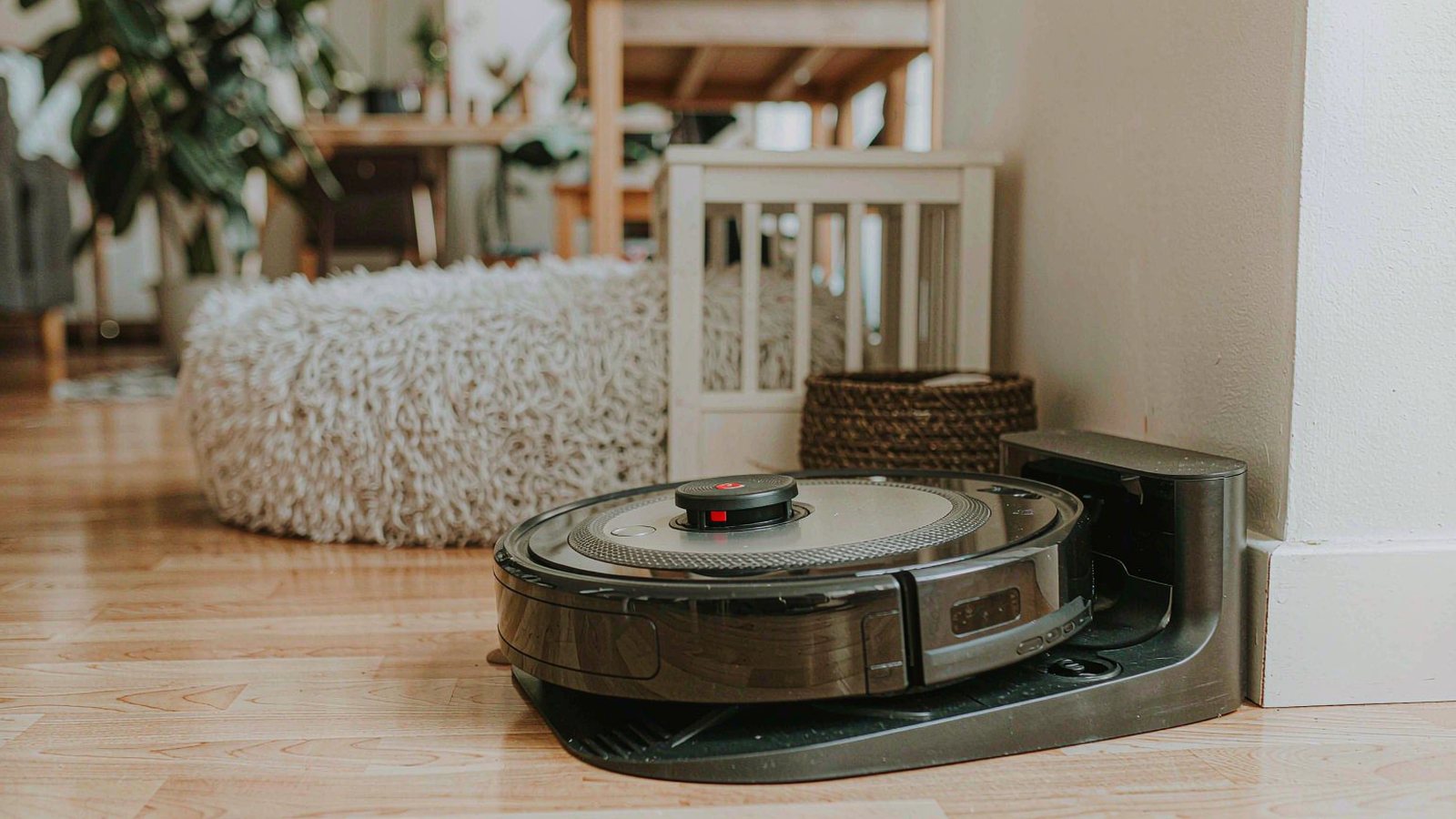
Top picks at a glance
Tap any pick to jump to the full breakdown, or use the link to check the current price.
| Pick | Best for | Check price |
|---|---|---|
| Roborock Q8 Max+ Best overall for pet hair | Homes with one or two shedding animals and mostly hard floors with some rugs | Check price |
| iRobot Roomba Combo j7+ Best for homes with pets that make messes | Homes with dogs or cats where an accident on the floor is a matter of when rather than if | Check price |
| Dreame L20 Ultra Best for hands-off maintenance | Large homes where the owner wants to touch the vacuum as rarely as possible | Check price |
| Shark Matrix Plus Self-Empty Best mid-range option | Pet owners who want self-emptying convenience without flagship pricing | Check price |
| Eufy RoboVac 11S Max Best cheap option | A first robot vacuum, a small flat, or a supplement to a proper vacuum | Check price |
| iRobot Roomba 694 Best basic with app support | Small flats where a simple daily pass is enough and support matters more than features | Check price |
Pet hair changes what a robot vacuum has to be good at. Marketing material tends to focus on suction numbers, but anyone who lives with a shedding animal knows the real problems are different. Hair wraps around the brush roll until it stops turning. The bin fills in a couple of days. The vacuum eats a charging cable. And if the pet has an accident while you are out, the machine can turn a small problem into a large one across an entire floor.
So this guide is written around those failures rather than around suction figures.
Why pet hair breaks robot vacuums
Hair wraps the brush roll
The classic failure. A bristle brush catches long hair, which winds around the roller and eventually stalls it or wears the motor. Rubber dual-brush designs shed hair far more readily because the strands slide off rather than tangling in bristles. This one design difference matters more in a pet household than almost any other specification.
The bin fills faster than you expect
Animal hair is bulky and compresses poorly, so it occupies far more volume than the equivalent weight of dust. A bin that lasts a month in a pet-free home can fill in a week. This is why self-emptying bases are worth more here than they are anywhere else.
Mats, cables and the things pets leave behind
Robot vacuums struggle with rug fringe, loose cables and the contents of a cat’s stomach. Pet bowls, toys and water fountains are obstacles that move. Mapping and no-go zones help, but the reliable practice is to spend twenty seconds clearing the floor before a scheduled run.
The accident problem
It is worth stating plainly: most robot vacuums will spread a pet accident rather than contain it, and the result is a long and unpleasant cleaning job. Models with object recognition can detect and avoid common waste, which is the single most valuable feature in a house with an older or unwell animal.
The features that change how much work you do
Self-emptying base
The most consequential upgrade for a pet household. It converts a daily bin emptying into a monthly one, and it seals the debris in a bag, which matters if anyone in the house is allergic. The cost is floor space, ongoing bag purchases, and one more mechanism that can fail.
Brush design
Rubber dual brushes are the best answer to hair tangling currently available. Bristle brushes need more frequent clearing. Some models include a cutting or combing mechanism to reduce wrap. If the only specification you compare is suction, you are comparing the least important number.
Mop function, and whether you want it
A mop attachment is useful on hard floors, particularly if the animal tracks in dirt. It is close to useless on carpet and adds maintenance. The important design detail is whether the mop pad lifts when it detects carpet, because a wet pad dragged onto a rug is a real problem. Also consider whether the base washes and dries the pad, since a damp pad left in place develops an odour.
Navigation and no-go zones
Accurate mapping lets you clean one room at a time, set zones the vacuum cannot enter and see where it has been. It is worth paying for in a larger home. In a single small flat, random navigation is inefficient but perfectly adequate.
What we would not pay extra for
- Very high suction figures. Brush design and bin capacity affect pet hair pickup more in practice.
- Voice control. Scheduling through an app is more reliable than speaking to a machine.
- A camera for remote viewing. Useful in a few homes, irrelevant in most.
- Extended warranties on top of a credit card benefit. Check what you already have.
- A mop function on a home that is entirely carpeted. You are paying for something you cannot use.
Realistic expectations for the first month
Expect the first few runs to fill the bin quickly, because the vacuum is picking up accumulated hair that has been there for months. Expect it to get stuck at least once while it learns the layout. Expect the brush to need clearing more often in the first weeks than later. Expect it to be noticeably better on hard floors than on thick carpet, which is a physical limitation of a low-profile machine.
Plan on keeping a full-size vacuum for stairs, upholstery, corners and the deep clean. The robot handles maintenance; the full-size machine handles the things the robot cannot reach.
When a robot vacuum is the wrong purchase
If your home is mostly deep-pile carpet, a robot vacuum will disappoint you, and a good upright will serve you far better for less money. If your flat is very small and has few floors and no rugs, the twenty minutes a week you save may not justify the price. If your pet is prone to accidents and unsupervised, a robot vacuum is a hazard rather than a help. And if nobody in the house is willing to clear the floor before a run, the vacuum will spend most of its time tangled in something.
How this guide was researched
We did not run pickup or navigation tests. This comparison is based on published specifications, manufacturer documentation on brush and filtration design, warranty terms and consistent themes in long-term owner reports, particularly the brush tangling, bin filling, base failures and navigation issues that emerge after months of use. Where we describe cleaning performance, we are summarising patterns in owner experience rather than results from testing we performed ourselves. Performance varies enormously with floor type and pet, so treat the shortlist as a starting point and check the current price and return policy before buying.
Our picks in detail
Roborock
01 Roborock Q8 Max+
A brush design that resists hair tangling, strong suction and a self-emptying base, at a price below the flagship models. The honest caveat is that the base is large and needs floor space.
Best for: Homes with one or two shedding animals and mostly hard floors with some rugs
- Dual rubber brush design intended to reduce hair tangling
- Self-emptying base holding weeks of debris
- Mapping and no-go zones in the companion app
- Suction adjustment and carpet detection
Pros
- Rubber brushes shed hair far more easily than bristle rollers
- Self-emptying base removes the daily bin routine
- Mapping is accurate enough for room-specific cleaning
Cons
- Base takes up a noticeable amount of floor space
- Bag replacement is an ongoing cost
We may earn a commission from this link. Learn more.
iRobot
02 iRobot Roomba Combo j7+
Designed around identifying and avoiding the things pets leave on the floor, which is the feature that saves the most cleaning time and the most unpleasant mornings. It does less well in testing the extremes of suction.
Best for: Homes with dogs or cats where an accident on the floor is a matter of when rather than if
- Object recognition that identifies and avoids common obstacles
- Self-emptying base with a sealed dust bag
- Mop pad that lifts out of the way on carpet
- Mapping with room-specific cleaning routines
Pros
- Obstacle avoidance prevents the worst kind of mess
- Self-emptying base with a sealed bag suits allergy households
- Mop pad retracts so carpet does not get wet
Cons
- Suction trails the strongest competitors on deep pile carpet
- Object recognition is not perfect and will occasionally miss something
We may earn a commission from this link. Learn more.
Dreame
03 Dreame L20 Ultra
A base that empties the bin, washes the mop pads and refills the water tank, which pushes the routine down to occasional maintenance. All that machinery is one more thing that can break, so support matters here.
Best for: Large homes where the owner wants to touch the vacuum as rarely as possible
- Base station that empties, washes and dries the mop pads
- Onboard water tank refilled by the base
- Rising mop pads to avoid wetting carpet
- Mapping with multi-floor support
Pros
- Very little routine maintenance required
- Mop pad washing removes the smell problem common to damp pads
- Strong suction for a combined vacuum and mop
Cons
- Expensive, with a large and heavy base station
- More mechanical parts means more to go wrong
We may earn a commission from this link. Learn more.
Shark
04 Shark Matrix Plus Self-Empty
A solid middle of the market machine with a self-emptying base and a brush aimed at hair. It is not as clever as the top picks, and it costs considerably less than them.
Best for: Pet owners who want self-emptying convenience without flagship pricing
- Self-emptying base with a large capacity
- Brush design intended to resist hair wrap
- Mapping and no-go zones in the app
- Adjustable suction for hard floors and carpet
Pros
- Self-emptying at a much lower price than the flagships
- Handles hard floors and low-pile rugs well
- Straightforward app without a steep learning curve
Cons
- Navigation is less precise than the mapping leaders
- Rated suction is below the premium models
We may earn a commission from this link. Learn more.
Eufy
05 Eufy RoboVac 11S Max
The cheapest sensible way to stop hair accumulating under furniture. It has no map, no self-emptying base and no app tricks, and it will still pick up a surprising amount on a hard floor.
Best for: A first robot vacuum, a small flat, or a supplement to a proper vacuum
- Slim body that fits under low furniture
- Random path navigation without mapping
- Physical remote control rather than a required app
- Low entry price
Pros
- Slim enough to reach under sofas and beds
- No mapping setup and no account required
- Very inexpensive
Cons
- Random navigation covers a room inefficiently
- No self-emptying base, so the small bin needs frequent attention
We may earn a commission from this link. Learn more.
iRobot
06 iRobot Roomba 694
An entry-level model from a long-established brand, with app control and a physical button for starting a clean. It is a simple machine, and the parts and support behind it are the reason it is here.
Best for: Small flats where a simple daily pass is enough and support matters more than features
- Three-stage cleaning system for hard floors and carpet
- App control plus a physical start button
- Edge-sweeping brush for corners
- Scheduling for daily cleaning
Pros
- Simple enough to run without any setup beyond pairing
- Widely available replacement parts and filters
- Reliable brand support network
Cons
- No mapping, so no room-specific cleaning
- Small bin that fills quickly in a shedding household
We may earn a commission from this link. Learn more.
The bottom line
Our verdict
For a typical home with a dog or a cat, the Roborock Q8 Max+ is the best balance: the rubber brushes genuinely cope with hair better than bristle rollers and the self-emptying base removes the daily chore. If your pet has accidents, pay for the iRobot model with obstacle avoidance, because it is the single feature that prevents the worst outcome. The Dreame is for people who want to touch the machine as rarely as possible, and the cheaper Eufy and Roomba models are best understood as supplements to a proper vacuum rather than replacements for one. Whatever you buy, plan on it being one part of your cleaning routine rather than the whole of it.
Frequently asked questions
Can a robot vacuum replace a full-size vacuum in a home with pets?
Not entirely. Robot vacuums are excellent at daily maintenance on hard floors and low-pile rugs, which is exactly what keeps hair from building up. They struggle with deep pile carpet, stairs, upholstery and the corners where hair accumulates. Most pet owners end up using both, with the robot handling the daily pass and the full-size vacuum handling the deep clean.
How often do I need to clean the brush roll?
In a heavily shedding household, weekly inspection is realistic even on models designed to resist tangling. Hair still wraps around the ends and bearings. Rubber brushes are easier to clear than bristle ones, and a pair of scissors kept nearby makes the job quicker than most people expect.
Is a self-emptying base worth the extra cost?
In a home with pets, usually yes. The bin on a robot vacuum fills faster than people expect when there is animal hair, and emptying it becomes a daily task that people stop doing. The base converts that into a monthly job. The trade-offs are floor space, the cost of replacement bags and one more device that can fail.
Will it cope with pet accidents?
Most will make the situation considerably worse by spreading the mess. Models with object recognition can identify and avoid common pet waste, which is the most useful feature in a pet household. No system is perfect, and the reliable safeguard is to run a quick visual check of the floor before starting a scheduled clean.
Sources & further reading
- Roborock robot vacuums — official product and specification pages
- iRobot Roomba — official product and support pages
- Dreame robot vacuums — official product pages
Facts and availability last checked September 15, 2026.
Keep going
Related guides
 Tech
Tech The Best Noise-Cancelling Headphones for Commuters and Open Offices
We compared over-ear noise-cancelling headphones on published specs, comfort for long wear, call quality and warranty cover — plus which models to skip and why.
 Tech
Tech The Best Laptops for College Students Who Don't Want to Replace Them in Two Years
A student laptop should survive four years, not two. We compare repairability, battery, keyboard and support policies instead of benchmark charts.
 Tech
Tech The Best Wireless Mice for Productivity and Long Editing Sessions
The right mouse is about shape and buttons, not sensor numbers. We compare ergonomics, multi-device switching and battery behaviour for desk work.