The Best Noise-Cancelling Headphones for Commuters and Open Offices
We compared over-ear noise-cancelling headphones on published specs, comfort for long wear, call quality and warranty cover — plus which models to skip and why.
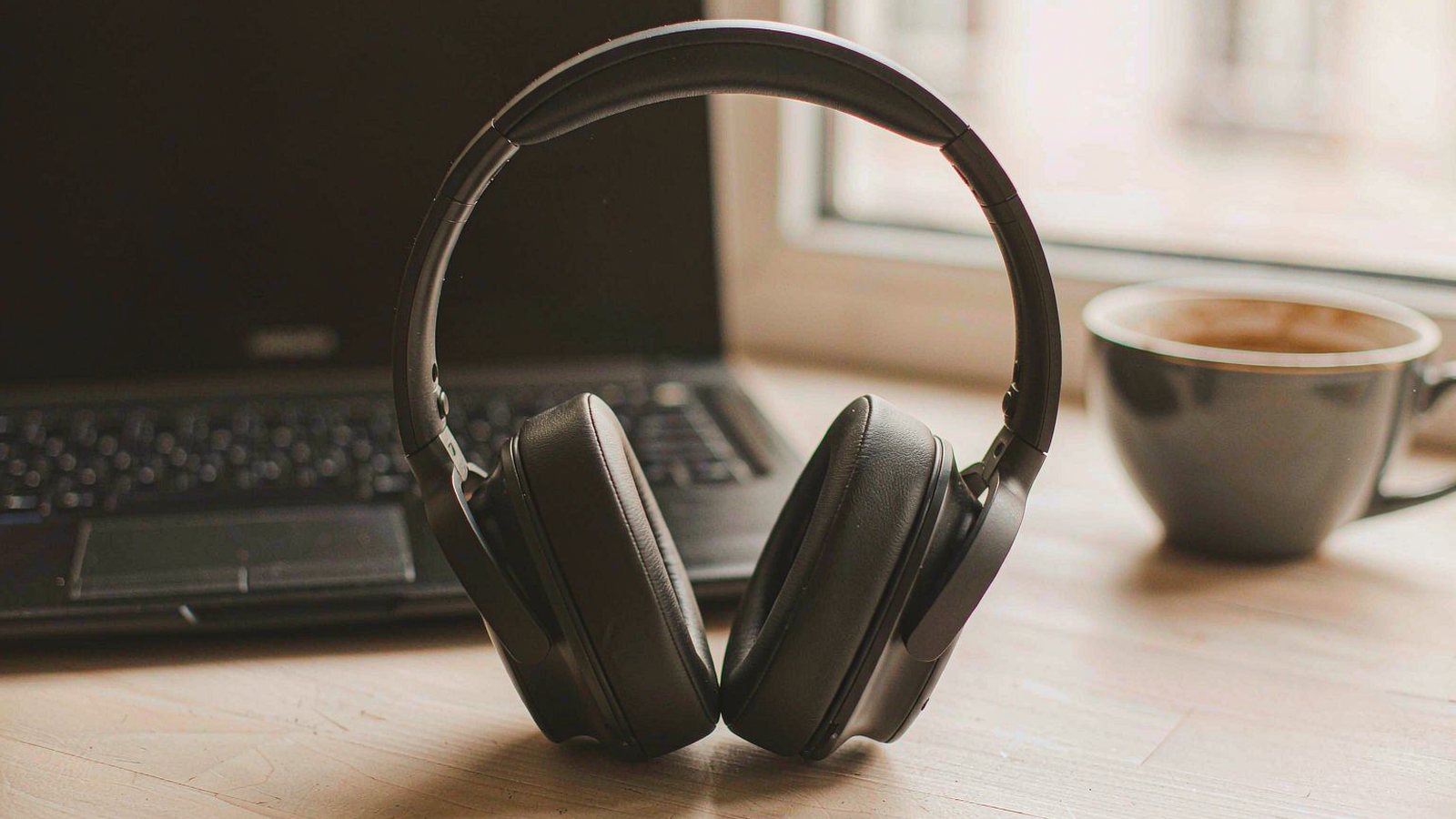
Top picks at a glance
Tap any pick to jump to the full breakdown, or use the link to check the current price.
| Pick | Best for | Check price |
|---|---|---|
| Sony WH-1000XM5 Best overall | Commuting on trains, planes and busy streets where low-frequency drone is the main problem | Check price |
| Bose QuietComfort Ultra Headphones Best for calls | People who take calls from shared spaces and need to be understood, not just to hear | Check price |
| Anker Soundcore Space One Best value | Students, second pairs and anyone who needs ANC without flagship pricing | Check price |
| Apple AirPods Max Best build and comfort | Apple users who want premium materials and tight device integration | Check price |
| Sennheiser Momentum 4 Wireless Best battery life | Frequent flyers and anyone who forgets to charge | Check price |
| Sony MDR-7506 Best for the money if you don't need ANC | Desk work, editing and anyone who wants repairable headphones rather than smart ones | Check price |
Noise-cancelling headphones are one of the few purchases where the marketing language is genuinely close to the truth — and also one of the few where a bad fit will ruin an otherwise good product. Two people can buy the same pair and reach opposite conclusions, purely because one wears glasses and the other doesn’t.
So this guide is organised around situations rather than a single winner. If you tell yourself which of the scenarios below sounds like your life, the shortlist mostly picks itself.
The three situations that actually matter
Commuting on trains, buses or planes. The dominant noise is low-frequency and constant: engine rumble, road noise, HVAC. Active noise cancellation is remarkably good at exactly this. Almost any competent ANC pair will help here.
An open office or a busy café. The problem is different. Human speech sits in a mid-frequency band that ANC handles less effectively, so isolation from the ear pads and the tuning of the transparency mode matter more than raw cancellation depth.
Taking calls from shared spaces. Now the job is not what reaches your ears but what reaches everyone else’s. Microphone arrays and beam-forming are the whole game, and they vary enormously between models.
Deciding which of those three describes most of your week is more useful than reading another spec-sheet comparison.
What actually matters when you compare
1. Comfort over hours, not minutes
Every pair feels fine in a shop. The useful questions are whether the clamping force loosens up, whether the headband presses on the crown, and whether the ear pads put pressure on the arms of your glasses. These are the reasons people stop wearing otherwise excellent headphones.
Prefer models with user-replaceable ear cushions. Cushions are almost always the first component to fail, and a replaceable pair can add years of service for a small cost.
2. Noise cancellation measured in the right band
Cancellation is not a single number. A pair that excels at engine drone may be mediocre at chatter. Look for a description of which frequencies the manufacturer targets, and treat any single “cancels up to X dB” figure with caution — it is usually a best-case measurement at one frequency.
3. Multipoint Bluetooth
If you move between a laptop and a phone all day, connecting to two devices at once removes a genuinely annoying routine. It is one of the few features that reliably improves daily life rather than just filling a specification table.
4. Battery life that matches your longest day
Published figures are usually measured with ANC on these days, which is the honest way to state them. What matters is whether the number covers your longest realistic stretch — a flight plus the journey home, for instance — with margin.
5. Warranty and parts availability
Two years of cover and a stocked spare-parts list are worth more than a marginally better frequency response. Headphones get sat on, dropped in bags and left in the rain. Whether you can get them fixed cheaply determines their real cost.
What we would not pay extra for
- “Hi-res” badges. On a commute, background noise masks far more detail than any codec difference introduces. Spend the money on comfort instead.
- Spatial audio gimmicks. They can be fun with film and games, but they should never drive the decision.
- An enormous carry case. A case too bulky to carry means the headphones stay at home, which is a strange outcome for a portable product.
- Studio-grade build claims on a Bluetooth product. Wireless headphones are a consumable; treat the warranty as the real durability statement.
How to test a pair in the first week
Buy from a retailer with an unhurried return window, then do this before the window closes:
- Wear them for two straight hours with your glasses on, if you wear them. Pressure points show up around the forty-minute mark.
- Take a call in the noisiest room you have and ask the other person how you sounded. Record it if you can.
- Pair to two devices at once and switch between them several times. Multipoint implementations vary in how gracefully they handle this.
- Listen to a podcast, not music. Podcasts expose sibilance and tuning problems that busy music hides.
- Check the app. If it requires an account to change basic settings, that is worth knowing before you are committed.
Which one to buy
For most people, the flagship Sony model is the lowest-risk answer: it handles both the low-frequency commute problem and the open-office problem competently, and it is comfortable enough for a full working day. If calls are the priority, the Bose option’s microphone array earns its premium. If you are working to a budget, the Anker option gets you most of the noise reduction for a fraction of the cost — accept that the microphones and materials are where the savings came from.
And if you do not need noise cancellation at all, the honest advice is to save your money and buy a wired, repairable studio pair. Nothing on this list will outlast it.
A note on how this guide was put together
We did not run a laboratory. This comparison is based on manufacturer specification sheets, published warranty terms, user manuals and patterns in verified owner reports — the months-later evidence that launch coverage tends to skip. Where we describe comfort or call quality, we are describing consistent themes in owner experience, not a controlled experiment we performed ourselves. Prices and availability change constantly, so we say check current price and link you to live listings rather than quoting a figure that will be wrong by next week.
Our picks in detail
Sony
01 Sony WH-1000XM5
The safest recommendation for most people: strong active noise cancellation, genuinely comfortable for a full workday, and a well-documented support record.
Best for: Commuting on trains, planes and busy streets where low-frequency drone is the main problem
- Over-ear, closed-back design with adaptive noise cancellation
- Multipoint Bluetooth so a laptop and phone can stay connected
- Rated battery life measured with ANC on
- Folding hard case included
Pros
- Excellent at cutting engine and HVAC drone
- Light clamping force suits long wear
- Mature app with adjustable EQ and ANC levels
Cons
- Does not fold as compactly as older generations
- Touch controls can misfire in cold, gloved weather
We may earn a commission from this link. Learn more.
Bose
02 Bose QuietComfort Ultra Headphones
The pick when most of your listening happens on video calls rather than music — beam-forming microphones handle a noisy room noticeably better.
Best for: People who take calls from shared spaces and need to be understood, not just to hear
- Over-ear with adjustable ANC modes and an aware mode
- Multiple microphones with beam-forming for voice pickup
- Replaceable ear cushions sold separately
- Rated battery life measured with ANC on
Pros
- Voice pickup that holds up in open-plan noise
- Ear cushions are user-replaceable, which extends service life
- Comfortable headband for glasses wearers
Cons
- Costs more than the mid-range alternatives
- Case is bulkier than it needs to be
We may earn a commission from this link. Learn more.
Anker
03 Anker Soundcore Space One
A fraction of the flagship price and still effective against steady background noise. The honest caveat: build materials and microphones are a clear step down.
Best for: Students, second pairs and anyone who needs ANC without flagship pricing
- Over-ear with hybrid active noise cancellation
- Very light folding frame
- App-based EQ and ANC adjustment
- Rated battery life measured with ANC on
Pros
- Very strong price-to-performance ratio
- Light enough for long wear
- Folds flat for a bag
Cons
- Microphone quality trails the premium picks noticeably
- Plastic build flexes under pressure
We may earn a commission from this link. Learn more.
Apple
04 Apple AirPods Max
Aluminium and stainless-steel construction with a mesh canopy that distributes weight unusually well. Best suited to Apple households where the ecosystem features are actually usable.
Best for: Apple users who want premium materials and tight device integration
- Over-ear with active noise cancellation and transparency mode
- Aluminium ear cups and a breathable knit mesh canopy
- Automatic device switching within the Apple ecosystem
- Magnetic, user-replaceable ear cushions
Pros
- Outstanding materials and finish
- Genuinely comfortable despite the weight
- Ear cushions swap without tools
Cons
- Heavy — can cause fatigue on long flights
- Ecosystem features are minimal outside Apple devices
- The supplied case offers limited protection
We may earn a commission from this link. Learn more.
Sennheiser
05 Sennheiser Momentum 4 Wireless
The long-haul pick. Published battery figures are among the longest in the category with ANC on, so it will outlast a transatlantic flight plus the taxi home.
Best for: Frequent flyers and anyone who forgets to charge
- Over-ear with adaptive noise cancellation
- Class-leading rated battery life with ANC enabled
- Multipoint Bluetooth pairing
- Adjustable EQ through the companion app
Pros
- Battery life that removes charging anxiety
- Comfortable for multi-hour wear
- Detailed, customisable sound
Cons
- ANC is strong but not the very best on this list
- Design is plainer than the price suggests
We may earn a commission from this link. Learn more.
Sony
06 Sony MDR-7506
A studio standard that has been in continuous production for decades, with widely available replacement parts. It does not cancel noise — it just isolates reasonably and lasts.
Best for: Desk work, editing and anyone who wants repairable headphones rather than smart ones
- Over-ear, closed-back, wired monitoring headphones
- Coiled cable and folding frame
- Replacement ear pads and cables widely stocked
- No battery, no app, no firmware
Pros
- Very low cost of ownership
- Parts are cheap and easy to find
- Nothing to charge
Cons
- No active noise cancellation
- Long cable is inconvenient for phone use
We may earn a commission from this link. Learn more.
The bottom line
Our verdict
If you want one pair and no second thoughts, the flagship Sony model is the safest choice — it handles both commute drone and open-office chatter well, and it is comfortable enough to keep on all day. If your day is mostly calls, the Bose model's microphone array is worth the premium. And if the budget is tight, the Anker Space One delivers most of the noise reduction for a fraction of the outlay; just don't expect flagship microphone quality. Whatever you choose, check the return window before you buy — fit is personal and the only reliable test is wearing them for a week.
Frequently asked questions
Does active noise cancellation actually protect my hearing?
It can help indirectly. ANC reduces low-frequency ambient noise, which often means you listen at a lower volume. That said, it does little against sudden loud sounds, and it is not ear protection. For genuinely hazardous noise levels, use rated hearing protection instead.
How long should the ear pads last?
It depends on wear and humidity, but many people replace ear cushions within a couple of years. Preferring models with user-replaceable pads noticeably extends the usable life of the headphones, because pads are usually the first thing to degrade.
Is multipoint Bluetooth worth paying for?
If you switch between a laptop and a phone during the day, yes — it removes the constant unpair-and-repair routine. If you only ever listen from one device, you will not notice the difference.
Do I need a premium pair for video calls?
Only if the people on the other end complain. The reliable way to judge is to record a short call in a noisy room and listen back — microphone quality varies more between models than the marketing suggests.
Sources & further reading
- Sony WH-1000XM5 — official product and specification page
- Bose QuietComfort Ultra Headphones — official product page
- Sennheiser Momentum 4 Wireless — official product page
Facts and availability last checked September 17, 2026.
Keep going
Related guides
 Tech
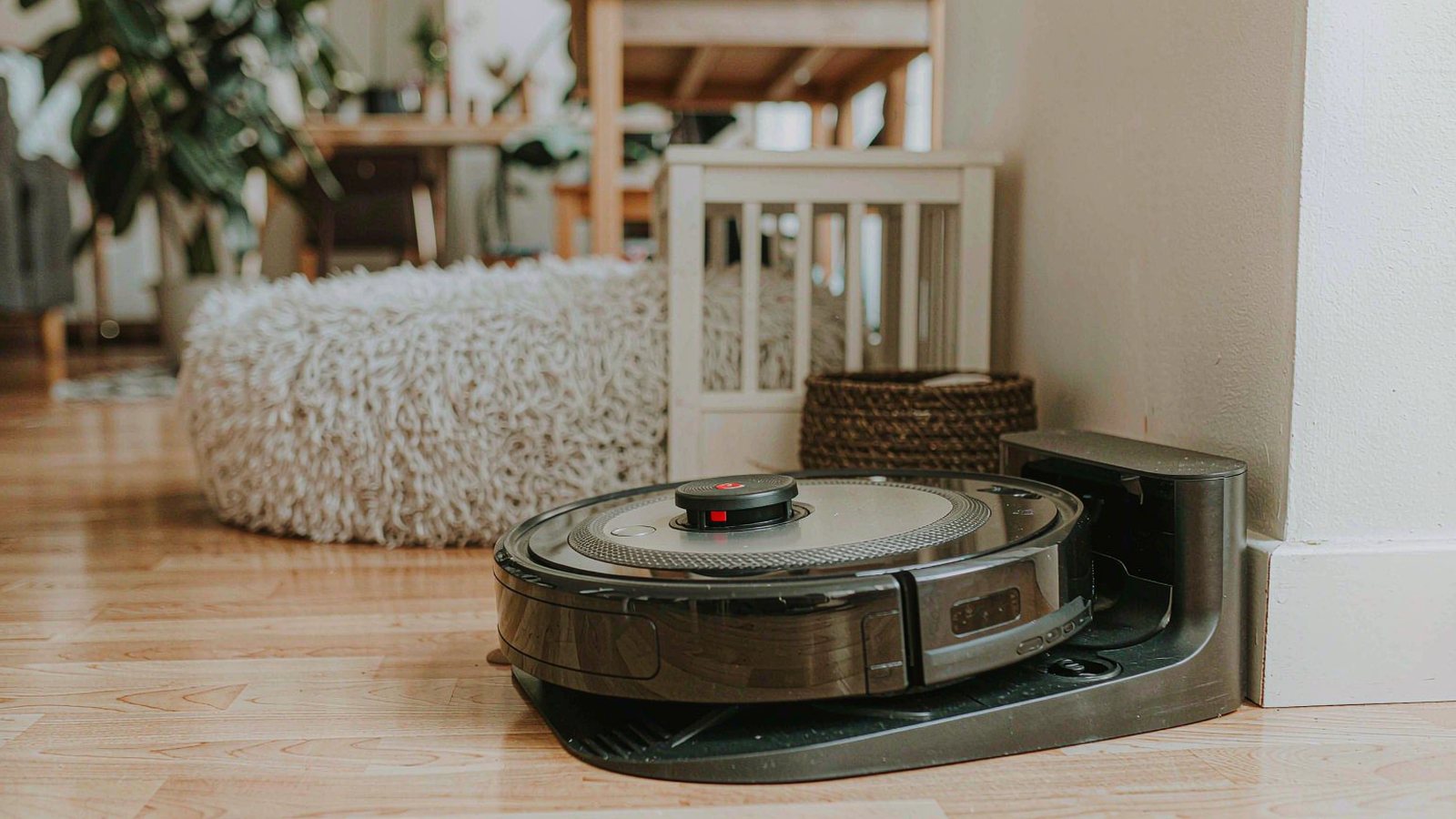
Tech The Best Robot Vacuums for Homes With Pets and Constant Hair
Pet hair is the hardest test for a robot vacuum. We compare brush designs, self-emptying bases and navigation to find the ones that cope with real animals.
 Tech
Tech The Best Laptops for College Students Who Don't Want to Replace Them in Two Years
A student laptop should survive four years, not two. We compare repairability, battery, keyboard and support policies instead of benchmark charts.
 Tech
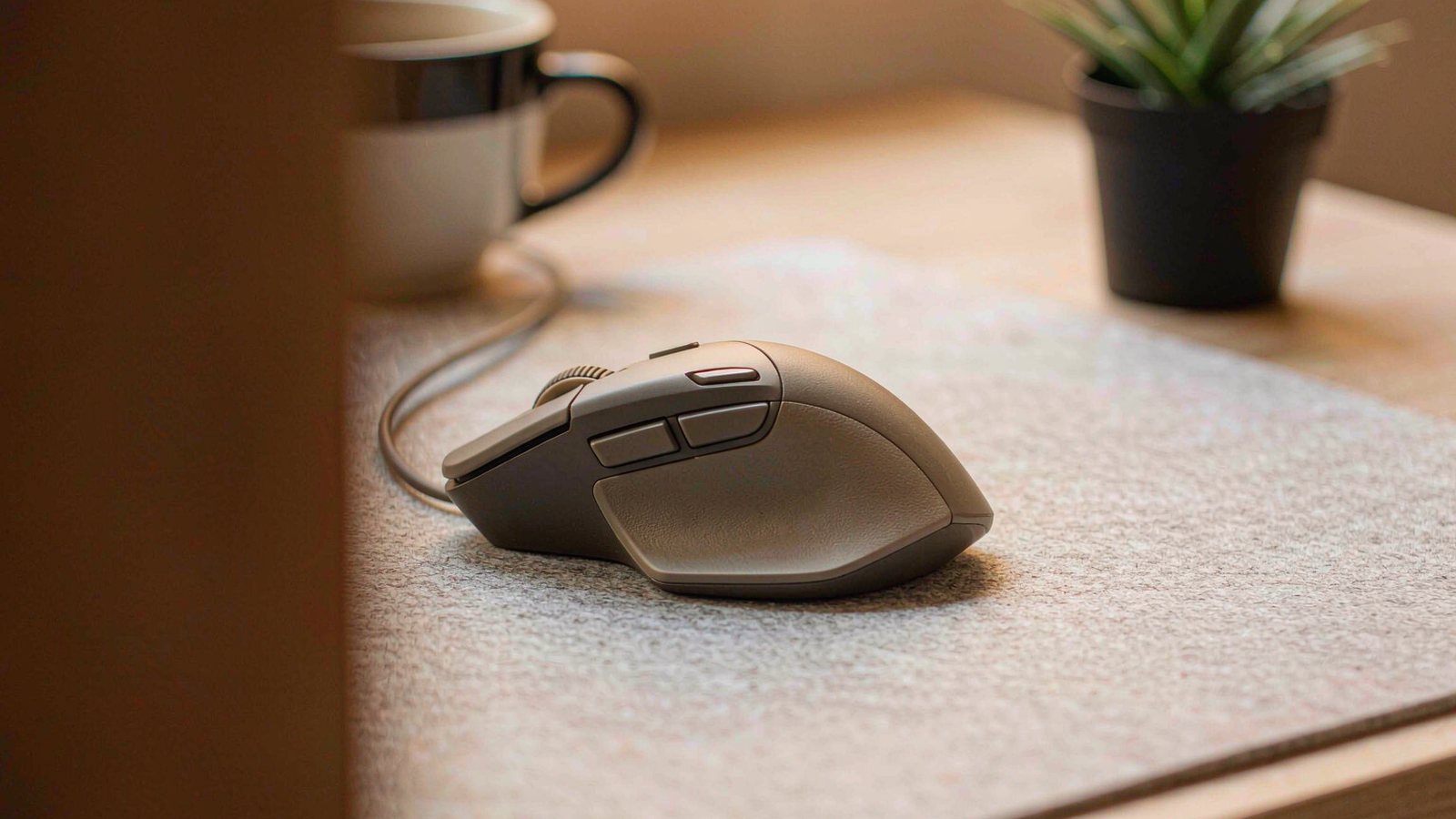
Tech The Best Wireless Mice for Productivity and Long Editing Sessions
The right mouse is about shape and buttons, not sensor numbers. We compare ergonomics, multi-device switching and battery behaviour for desk work.