The Best Rain Boots for Wet Cities
Six rain boots for commuting and city walking, compared on rubber and neoprene construction, tread for wet pavement, calf fit and how they hold up over several winters.
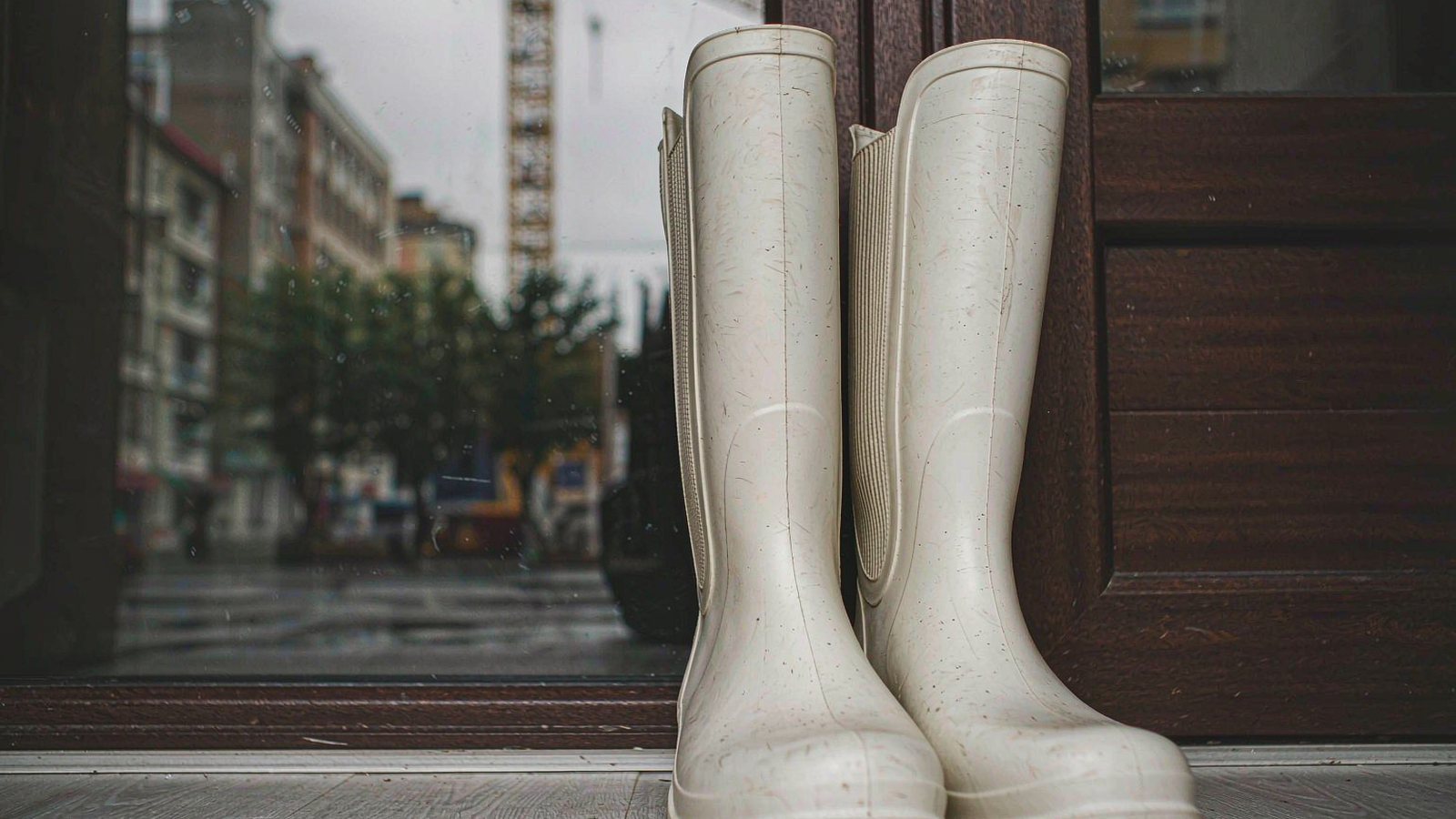
Top picks at a glance
Tap any pick to jump to the full breakdown, or use the link to check the current price.
| Pick | Best for | Check price |
|---|---|---|
| Hunter Original Tall Best classic city boot | Daily commutes and city walking where the boot is part of the outfit | Check price |
| Aigle Parcours 2 Best for all-day comfort | People who walk real distances in the rain rather than just crossing a car park | Check price |
| Bogs Classic High Best insulated option | Cold, wet commutes and anyone who walks the dog in winter slush | Check price |
| Kamik Heidi Best lightweight pick | Commuting, travel and keeping a spare pair by the door | Check price |
| XTRATUF Legacy 15 Best grip on slick ground | Anyone who regularly walks on wet metal, ramps or cobbles | Check price |
| Merry People Bobbi Best shorter city boot | Mild, wet cities where a tall boot is overkill | Check price |
Rain boots are sold as a fashion item and bought as a practical one. That mismatch explains most of the disappointment: people choose a colour and a shaft height, then find that the boot is heavy, the sole has no grip on wet tile, and their feet are cold or sweating by the end of the commute.
The useful way to shop for them is to start from the walking you actually do. A dash from the car to an office door needs almost nothing. A forty-minute walk to a station on wet cobbles needs a real sole.
What a city rain boot needs
Three things: it must be waterproof above the ankle, it must grip on wet smooth surfaces, and it must be wearable for the length of your walk. A deep tread designed for mud is not necessarily helpful on wet pavement, and a heavy boot is a real cost when you are walking rather than wading. Everything else, from colour to shaft height, is a decision you can make once those three are settled.
What actually matters when you choose
1. Rubber, neoprene or a blend
Natural rubber is flexible, waterproof and comfortable, but it can crack at the flex point above the toes if it is thin or old. Neoprene is softer, warmer and more forgiving in cold weather, which is why it appears in insulated and fishing boots. Many designs combine a rubber shell with a neoprene upper or lining. Look for a description of the construction rather than the words “waterproof” on their own, because all of these are waterproof until they split.
2. Shaft height and getting them on
A tall shaft keeps out splashes and deep puddles but is hotter, heavier and less forgiving of your calf measurement. A short or ankle boot is far more practical in a city where the water is rarely more than a couple of centimetres deep. Whichever you pick, check how the boot goes on. Pull handles, a rear pull loop or an elastic gusset make a bigger daily difference than most specifications.
3. Tread for wet pavement
Wet smooth surfaces, metal drain covers and painted lines are the real hazards. You want a rubber compound that stays soft in cold weather and a tread with sipes, the thin cuts that push water out from under the sole. Very aggressive mud lugs have less rubber in contact with the ground and can feel skaty on wet stone. Siping plus a moderate lug depth is the right answer for city walking.
4. Linings, insulation and heat
Rubber does not breathe, so lining choice decides how the boot feels. A textile lining dries reasonably and manages sweat. Neoprene adds warmth but holds moisture if it gets wet inside. Insulated linings are excellent in February and miserable in April. If you plan to wear them year-round, choose an unlined or lightly lined pair and vary your socks instead.
5. Fit: calf width, foot width and half sizes
Rubber boots rarely come in half sizes, because the moulds do not allow it, and many run large through the foot. Width varies greatly between brands, and a narrow boot on a wide foot will rub no matter how well you size the length. Calf circumference also matters on a tall boot; if yours is at either end of the range, look for an adjustable gusset or an elastic panel rather than hoping.
What we would not pay extra for
- Branded styling on an unbranded sole. The sole is where the value is.
- A velvet or fabric lining marketed as luxury. It holds water and dries slowly.
- A “four-season” rubber boot. It is a compromise in all four.
- A shaft height chosen for photographs. Choose for your puddle depth instead.
Making rubber boots last more than two winters
Rinse mud off with plain water rather than leaving it to dry, since grit works into the rubber. Dry them away from radiators and direct sun, which both accelerate cracking. Store them upright and unstuffed, because a folded shaft develops splits along the crease. If the surface dulls, a rubber conditioner or a light wipe with a silicone-free protectant helps. Check the crease above the toes once a year; it is the first place to fail.
How to decide quickly
- Measure the deepest water you realistically walk through, and buy a shaft height just above it.
- Decide whether you need insulation based on your coldest commuting month.
- Prioritise a siped tread with moderate lugs over a deep mud pattern.
- Check the width and calf fit before you check the colour.
- Budget for a replacement insole if the boot has a flat one.
- Buy where you can return them, because rubber boots are unforgiving on fit.
Who should buy something else
If you walk in slush, ice or snow for much of the winter, a rubber rain boot is the wrong purchase. Look at a waterproof insulated winter boot with a proper lugged winter compound, which grips far better when the temperature drops. Similarly, if your commute involves standing for hours, a waterproof walking shoe with a cushioned midsole will serve you better than a rubber shell with no support.
How this guide was researched
This roundup is based on manufacturer construction details, published material specifications and consistent themes in owner reports gathered after at least one full winter of use. We have not run water-ingress or slip tests ourselves, and we do not quote prices because they shift constantly. Where we describe comfort or cold-weather behaviour, we are summarising what owners consistently report. Check the current price and the return window before you order.
Our picks in detail
Hunter
01 Hunter Original Tall
The most recognisable rain boot there is, and still a sensible one: natural rubber over a textile lining with a decent tread. It is heavy, and the fit is famously roomy through the foot.
Best for: Daily commutes and city walking where the boot is part of the outfit
- Vulcanised natural rubber upper with a matte finish
- Textile lining with a cushioned insole
- Deep, self-cleaning lugged outsole
- Adjustable buckle at the top of the shaft
Pros
- Fully waterproof with no seams above the sole
- Tread holds up on wet pavement and shallow puddles
- Widely stocked, so sizing is easy to check
Cons
- Heavy over a long walk
- Shaft is tall and roomy, which can rub if the fit is loose
We may earn a commission from this link. Learn more.
Aigle
02 Aigle Parcours 2
A hand-made rubber boot with a shock-absorbing sole and a genuine arch, so it stands up to a long walk rather than a dash to the car. Pricier than most, and the sole is the reason.
Best for: People who walk real distances in the rain rather than just crossing a car park
- Natural rubber upper, hand assembled
- Shock-absorbing sole with a defined heel
- Adjustable gusset at the top of the shaft
- Textile lining with a removable insole
Pros
- Noticeably more comfortable over distance than a flat rubber boot
- Grippy sole with a proper tread block pattern
- Shaft gusset helps with fit and with pulling them on
Cons
- Expensive for a rubber boot
- Heavier construction than the fashion-led options
We may earn a commission from this link. Learn more.
Bogs
03 Bogs Classic High
Neoprene and rubber with a lined interior that stays warm well below freezing, and handles being stepped into without a fight. The bulk is the cost.
Best for: Cold, wet commutes and anyone who walks the dog in winter slush
- Waterproof rubber shell with a neoprene upper
- Insulated, lined interior rated for cold conditions
- Pull handles at the top of the shaft
- Self-cleaning outsole with a deep tread
Pros
- Warm in freezing weather without extra socks
- Easy to pull on thanks to the handles
- Neoprene flexes instead of cracking in the cold
Cons
- Too warm for mild or humid days
- Chunky profile that looks utilitarian rather than smart
We may earn a commission from this link. Learn more.
Kamik
04 Kamik Heidi
A soft, flexible rubber boot that folds down small and costs a fraction of the heritage brands. Excellent for a commute, less so if you need arch support.
Best for: Commuting, travel and keeping a spare pair by the door
- Moulded rubber upper with a matte finish
- Textile lining and a removable insole
- Lightweight, flexible construction
- Tall shaft with a pull loop
Pros
- Very light for a tall rubber boot
- Flexible enough to pack flat in a bag
- Low price for full waterproofing
Cons
- Thin sole with limited arch support
- Less durable at the flex point above the toe
We may earn a commission from this link. Learn more.
XTRATUF
05 XTRATUF Legacy 15
Originally a commercial fishing boot, which explains the tread: it holds on wet boat decks and metal grates that defeat most city boots. It is heavy and distinctly unpolished.
Best for: Anyone who regularly walks on wet metal, ramps or cobbles
- Triple-dipped neoprene and rubber construction
- Non-marking, slip-resistant chevron outsole
- Seamless, fully waterproof build
- Kick-off heel ledge for removing them hands free
Pros
- Outstanding traction on wet, smooth surfaces
- Extremely tough shell that resists cracking
- Comfortable insole for a working boot
Cons
- Heavy, especially over a long walk
- Deliberately plain and industrial in appearance
We may earn a commission from this link. Learn more.
Merry People
06 Merry People Bobbi
An ankle-height rubber boot with a neoprene lining and a surprisingly supportive footbed, designed for people who want rain protection without a full shaft. Limited to ankle coverage.
Best for: Mild, wet cities where a tall boot is overkill
- Natural rubber upper with a neoprene lining
- Removable cushioned insole with arch support
- Ankle-height shaft with elastic side gusset
- Treaded rubber outsole
Pros
- Comfortable enough for a full day of walking
- Easy to get on and off, which matters on public transport
- Neat enough to wear with ordinary trousers
Cons
- Only ankle height, so deep puddles will find a way in
- Narrower availability than the big brands
We may earn a commission from this link. Learn more.
The bottom line
Our verdict
For most city use the Hunter Original Tall is the sensible default, because it is genuinely waterproof, easy to find in your size, and smart enough for a commute; just expect to add an insole if your feet need support. If you walk long distances, the Aigle Parcours 2 is worth the extra money for its sole alone. If your winters dip below freezing, choose the Bogs Classic High, and if you only need protection to the ankle, the Merry People Bobbi is far more comfortable for a day on your feet.
Frequently asked questions
Are expensive rain boots actually better?
Up to a point, yes, and it is mostly about the sole and the rubber formulation. Cheap boots often use a stiffer rubber that cracks above the toe where it flexes, and a thin sole with no support. The upper price bracket pays for a better sole, a proper lining and rubber that stays flexible in the cold. Beyond that, you are paying for design.
How do I stop rain boots smelling?
Rubber does not breathe, so moisture from your feet stays inside. Wear moisture-wicking socks rather than cotton, pull the insoles out to dry after each wear, and let the boots stand upright in a ventilated spot rather than a closed cupboard. If they already smell, a weak bicarbonate solution left inside for a few hours then rinsed out helps.
Do rain boots work in snow?
They keep water out, but a smooth rubber sole hardens and loses grip on packed snow and ice, and most unlined boots are cold. Insulated neoprene-lined boots handle winter much better. If ice is a regular feature of your commute, look for a deep tread and accept that no rubber boot is a substitute for proper winter footwear with traction.
How long should rain boots last?
With occasional cleaning and out-of-season storage away from direct sun, a decent rubber boot can last several years. The first place they fail is usually the flex crease above the toes, or the shaft splitting where it has been folded. Store them upright and unstressed to avoid both problems.
Sources & further reading
- Hunter — official Original boot product pages
- Aigle — official rubber boot product pages
- XTRATUF — official Legacy boot product page
Facts and availability last checked September 15, 2026.
Keep going
Related guides
 Shoes & Hats
 The Best Slippers for Cold Floors
Six slippers compared on sole type, lining, wool content and fit, for cold hardwood and tile floors, with honest notes on washing and lifespan.
 Shoes & Hats
 The Best Kids' Shoes That Survive a Whole School Year
Six kids' shoes compared on toe protection, outsole rubber, fastening and width fit, plus how to size for growth without buying shoes that fall apart.
 Shoes & Hats
 The Best Baseball Caps for Every Face Shape
Caps compared on crown structure, depth, brim curve, fabric and closure, with six real models and practical advice on matching a cap to your face and hairline.