The Best Baseball Caps for Every Face Shape
Caps compared on crown structure, depth, brim curve, fabric and closure, with six real models and practical advice on matching a cap to your face and hairline.
Top picks at a glance
Tap any pick to jump to the full breakdown, or use the link to check the current price.
| Pick | Best for | Check price |
|---|---|---|
| New Era 9FORTY Best overall adjustable cap | Everyday wear for most head shapes and hair lengths | Check price |
| New Era 59FIFTY Best fitted cap | People who know their hat size and want a sharp, flat-brim look | Check price |
| '47 Clean Up Best relaxed, worn-in fit | A softer, broken-in look rather than a sharp one | Check price |
| Carhartt Odessa Canvas Cap Best for hard wear | Outdoor work, gardening and anyone who destroys lighter caps | Check price |
| Patagonia P-6 Label Trad Cap Best outdoor and travel cap | Travel, hiking and casual wear where packability matters | Check price |
| Polo Ralph Lauren Classic Chino Cap Best smart-casual cap | Wearing with a polo shirt or a casual jacket rather than gym clothes | Check price |
A cap fails for two reasons: it is the wrong shape, or it is the wrong depth. Neither shows up in a product photo, which is why people buy a cap that looks good on a shelf and leaves it in a drawer a week later.
Fit here is geometry. Crown height, brim curve and depth interact with your face length, hair volume and head size, and the difference between a cap that works and one that does not is usually a centimetre in the right place.
Fit is geometry, not size
Two caps can both be labelled medium and sit completely differently. The crown can be structured or soft, high or low. The brim can be flat or curved. The closure can be fixed or adjustable. Once you know which combination suits your head, you can shop for almost any brand with reasonable confidence, because the same geometry keeps working.
What actually matters when you choose
1. Structured against unstructured
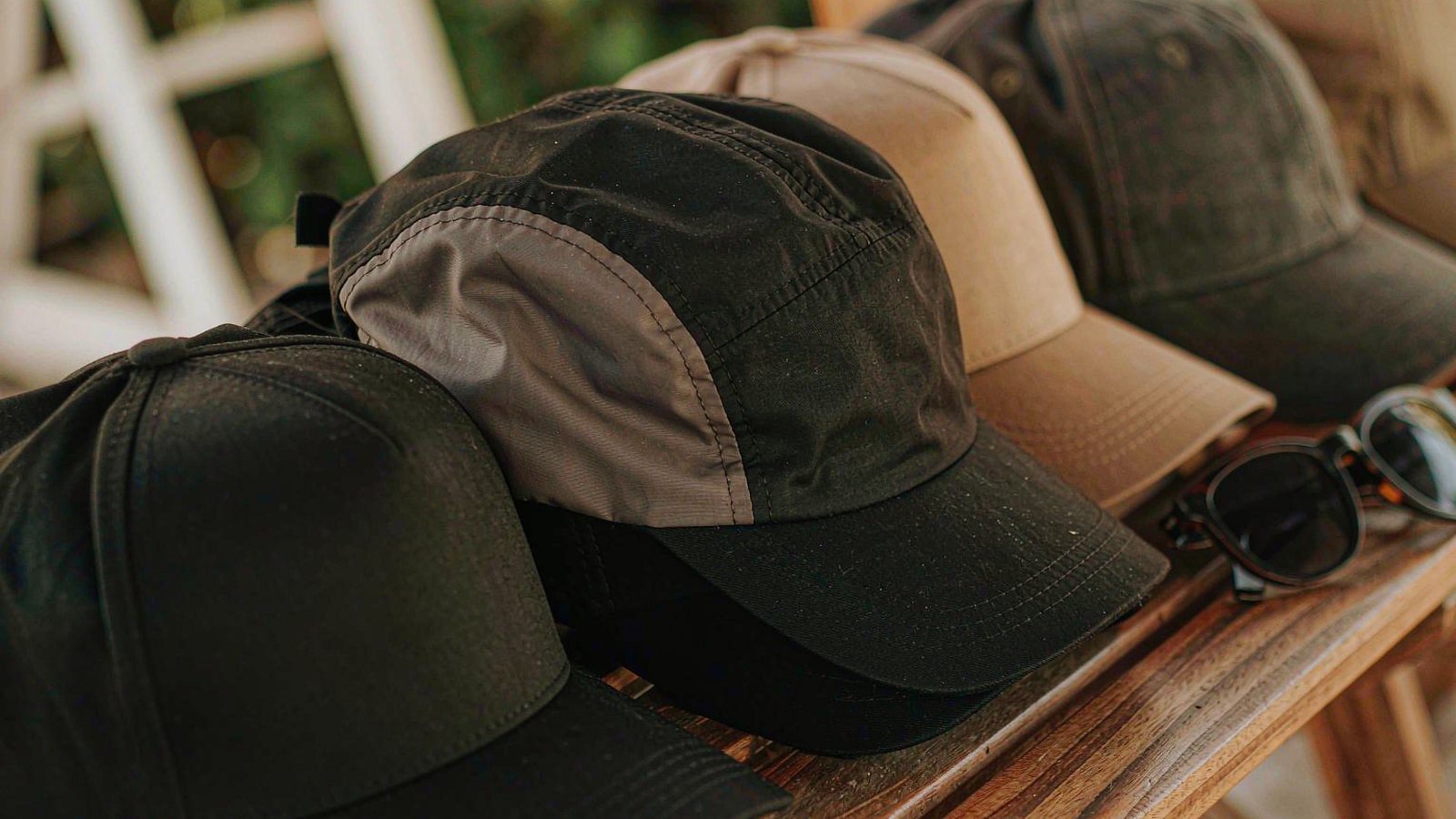
A structured cap has a stiffened front panel, so the crown stands up and keeps a defined shape. It reads sharper and more sporty, and it survives being packed. An unstructured cap has a soft crown that follows the contour of your head. It reads more relaxed and tends to suit smaller heads, because a tall structured crown can make a narrow face look small beneath it.
2. Depth and where the cap sits
Depth is how far the crown comes down over your skull. Too shallow and the cap perches, exposing the sides of your head; too deep and it presses on your ears and sunglasses. This measurement is rarely published, so the practical test is to put the cap on and check two things: whether the brim sits a finger’s width above your eyebrows, and whether the sweatband lands flat rather than riding up.
3. Brim curve and width
A pre-curved brim frames the face and reads traditional. A flat brim is sharper and adds visual width, which suits longer faces. Brim width matters too: a very wide brim shades more of the face but can visually shorten it, while a narrow brim disappears from the front view. This is the single easiest variable to adjust, because most flat brims can be curved gradually by hand.
4. Fabric, heat and rain
Cotton twill is the classic. It is comfortable, holds a curved brim well, and shows sweat and salt over time. Canvas is heavier and tougher, and it is warmer in summer. Performance polyester wicks moisture, dries quickly and resists staining, but it looks sportier and does not age as gracefully. Wool blends appear in winter caps and feel warmer but sag when wet. None of these is waterproof, so if rain is likely, look for a cap described as water repellent.
5. Closures and adjustability
A fitted cap uses published hat sizes and gives the cleanest look at the back, but there is no margin for error and no adjustment if your hair changes. Snapbacks use a plastic tab with studs, which is quick but bulky and can catch on hair. Strapbacks use a fabric strap with a metal buckle or slide, which is the most adjustable and the most discreet. Elastic closures are comfortable but stretch out over time.
What we would not pay extra for
- Team licensing on an everyday cap. The shape matters more than the badge.
- A “performance” fabric for wearing around town. You are paying for wicking you do not need.
- Limited colourways of a plain cap. Neutral colours outlast trends.
- A waterproof cap that has no taped seams. It will not be waterproof.
Matching a cap to your face and hairline
Longer faces take flat brims and higher crowns well, because the added horizontal line shortens the visual length. Rounder faces usually benefit from a curved brim and a crown with some height, which adds vertical line. Smaller faces are best served by a low, unstructured crown that does not swamp the head. If you have a high hairline, a slightly deeper crown sits better; if you have a lot of hair volume, choose an adjustable closure so you can loosen the fit without changing the size.
A five-minute decision process
- Decide structured or unstructured by looking at the caps you already wear most.
- Measure around your head just above the ears and eyebrows to find your hat size.
- Choose an adjustable closure unless you are confident in a fitted size.
- Try the cap on with the hair style you normally wear.
- Check the brim sits a finger above your eyebrows and the sweatband is flat.
- Confirm the return window, because cap fit is genuinely hard to judge online.
When a cap is not the right accessory
If you need real sun protection for your ears and neck, a cap is inadequate; a wide-brimmed hat covers far more skin. If you need warmth, a knit beanie with a folded cuff will outperform any cotton cap. And if you work in a formal environment, a baseball cap reads as casual no matter how good the fabric is.
How this guide was compiled
We compared published crown descriptions, material specifications and closure types, then reviewed consistent themes in long-term owner feedback about how each shape holds up. We have not measured head shapes or conducted fit testing, and we do not quote prices because they change often. Where we discuss depth or structure, we are summarising what owners consistently report. Check the current price and the returns policy before ordering, and try a cap on in person where you can.
Our picks in detail
New Era
01 New Era 9FORTY
A structured six-panel crown with a pre-curved brim and an adjustable strap at the back. It flatters most heads because the depth is moderate and the curve softens the shape.
Best for: Everyday wear for most head shapes and hair lengths
- Structured six-panel crown with a buckram front panel
- Pre-curved brim
- Adjustable fabric strap with a metal buckle at the rear
- Cotton twill or performance fabric depending on version
Pros
- Adjustable closure covers a wide range of head sizes
- Curved brim suits more face shapes than a flat one
- Structured crown holds its shape after washing
Cons
- Structured front panel can look boxy on a small head
- Cotton twill versions hold sweat and show salt marks
We may earn a commission from this link. Learn more.
New Era
02 New Era 59FIFTY
The fitted cap that most team caps are built on, with a high structured crown, a flat brim and no adjustment. Because it comes in proper hat sizes, the fit is precise, and there is no strap to bulk up the back.
Best for: People who know their hat size and want a sharp, flat-brim look
- Structured crown with a high profile
- Flat brim designed to be worn straight or curved by hand
- Fitted construction in published hat sizes
- Moisture-wicking sweatband
Pros
- Exact fit with no adjuster poking out
- Holds its shape extremely well
- Huge range of team and colour options
Cons
- No adjustment, so getting the size right is essential
- High crown can overwhelm a narrower face
We may earn a commission from this link. Learn more.
'47
03 '47 Clean Up
A low, unstructured crown with a curved brim and a soft, garment-washed feel. It sits close to the head rather than on top of it, which suits smaller frames and short hair.
Best for: A softer, broken-in look rather than a sharp one
- Unstructured, low-profile crown
- Garment-washed cotton twill
- Pre-curved brim
- Adjustable strapback closure
Pros
- Comfortable from the first wear with no break-in
- Low crown suits a smaller or narrower face
- Relaxed look that does not need to be pristine
Cons
- Crown collapses when wet or crushed in a bag
- Less structure means less sun protection at the sides
We may earn a commission from this link. Learn more.
Carhartt
04 Carhartt Odessa Canvas Cap
A heavier cotton canvas cap built for actual work, with a structured front and a curved brim. It shrugs off months of abuse and looks better for it, though the heavy fabric is hot in summer.
Best for: Outdoor work, gardening and anyone who destroys lighter caps
- Heavyweight cotton canvas with a structured front panel
- Pre-curved brim
- Adjustable strap with a metal buckle
- Moisture-wicking sweatband at the front
Pros
- Very durable fabric and stitching
- Holds shape after washing and drying
- Neutral colours that go with workwear
Cons
- Heavy canvas is warm in hot weather
- Boxy front panel on a small head
We may earn a commission from this link. Learn more.
Patagonia
05 Patagonia P-6 Label Trad Cap
An unstructured organic cotton canvas cap with a curved brim and a fabric strap that folds flat in a pocket. Simple, light and easy to live with on a trip.
Best for: Travel, hiking and casual wear where packability matters
- Unstructured organic cotton canvas crown
- Pre-curved brim
- Adjustable fabric strapback closure
- Packs flat without creasing badly
Pros
- Light and genuinely packable
- Breathable for a cotton cap
- Restrained branding
Cons
- No structured front, so the fit is soft
- Not water resistant
We may earn a commission from this link. Learn more.
Polo Ralph Lauren
06 Polo Ralph Lauren Classic Chino Cap
A clean chino-cotton cap with a low-profile crown and a small embroidered logo, which makes it acceptable in places where a sports cap is not. The price is high for a cotton cap.
Best for: Wearing with a polo shirt or a casual jacket rather than gym clothes
- Cotton chino twill with a structured front panel
- Pre-curved brim with a low profile
- Adjustable leather strap with a metal buckle
- Embroidered logo at the front
Pros
- Smarter look than a team cap
- Low crown suits a range of head shapes
- Leather adjuster feels more considered than plastic
Cons
- Expensive for a cotton cap
- Smaller range of sizes than the mass-market options
We may earn a commission from this link. Learn more.
The bottom line
Our verdict
For most people, the New Era 9FORTY is the easiest cap to get right, because the adjustable closure covers size variation and the pre-curved brim softens the shape of almost any face. If you know your hat size and want a sharper flat-brim look, the 59FIFTY is the better fit and holds its shape for years. If your head is on the smaller side, or you simply prefer a softer silhouette, choose the unstructured '47 Clean Up.
Frequently asked questions
How should a baseball cap fit?
Snug enough that it does not move when you shake your head, but not tight enough to leave a mark on your forehead. The brim should sit roughly a finger's width above your eyebrows. If the cap sits too high, the crown is too shallow for your head; if it presses just above your ears, it is too deep.
Should I curve the brim?
That is a style choice rather than a rule. A curved brim reads more traditional and tends to suit rounder and shorter faces, because the downward curve frames the face. A flat brim is a sharper look that suits longer faces and works better with a high structured crown. A cap that comes flat can usually be curved by hand, carefully and gradually.
Is a structured or unstructured cap better?
Structured caps hold their shape and stand up off the head, which suits larger frames and adds height. Unstructured caps sit close to the head and follow its outline, which flatters smaller faces and is more packable. Structured caps also survive being thrown in a bag better, though they can crease if crushed.
How do I wash a cap without ruining it?
Hand wash in cool water with a little mild detergent, then reshape the crown and let it air dry on a mug or a towel roll so it keeps its shape. Avoid a hot tumble dryer, which shrinks the sweatband and distorts the brim. For structured caps, spot cleaning is often safer than a full wash.
Sources & further reading
- New Era — official cap product and sizing pages
- '47 — official cap product pages
- Patagonia — official headwear product pages
Facts and availability last checked September 15, 2026.
Keep going
Related guides
 Shoes & Hats
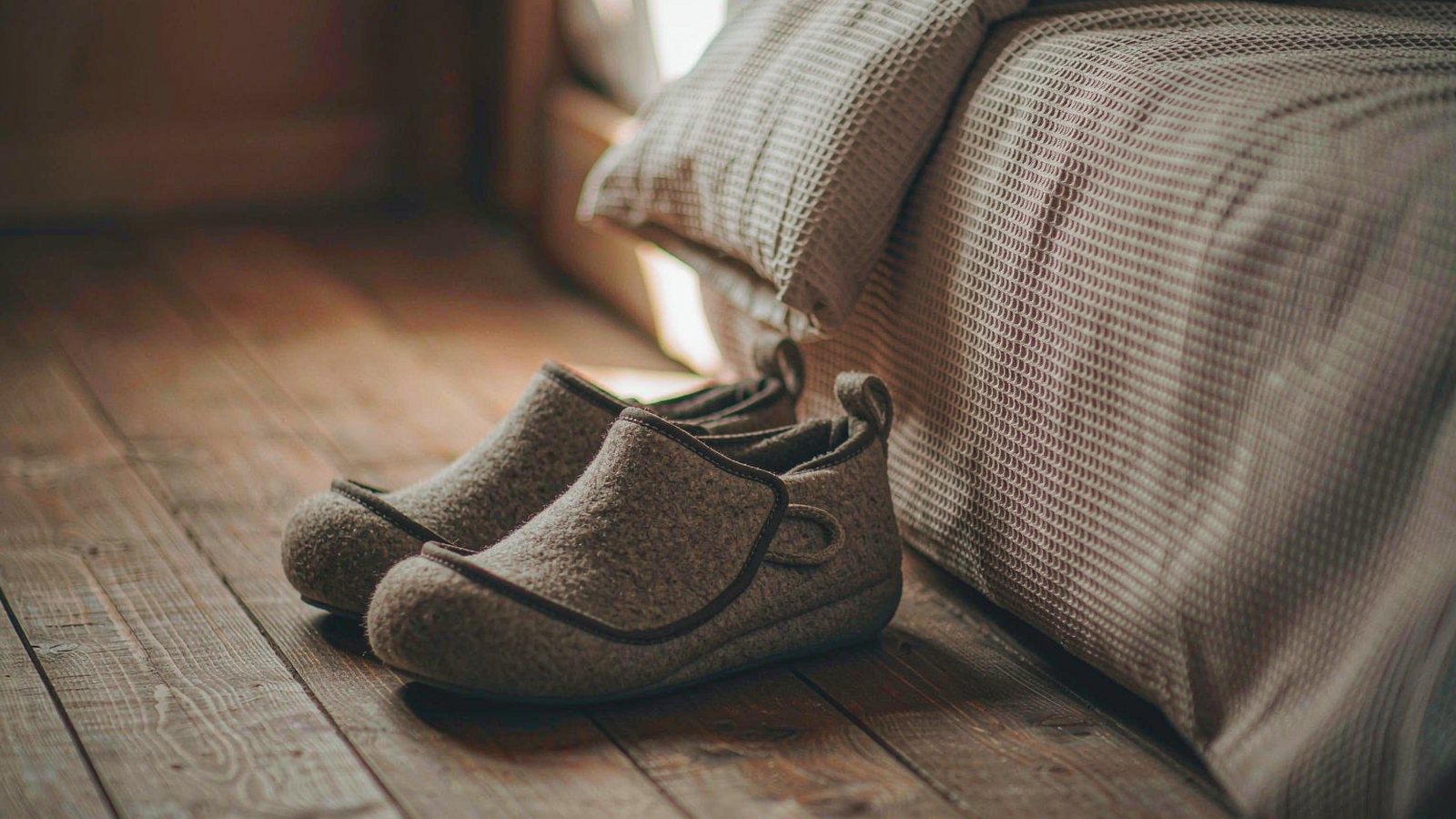
 The Best Slippers for Cold Floors
Six slippers compared on sole type, lining, wool content and fit, for cold hardwood and tile floors, with honest notes on washing and lifespan.
 Shoes & Hats
 The Best Kids' Shoes That Survive a Whole School Year
Six kids' shoes compared on toe protection, outsole rubber, fastening and width fit, plus how to size for growth without buying shoes that fall apart.
 Shoes & Hats
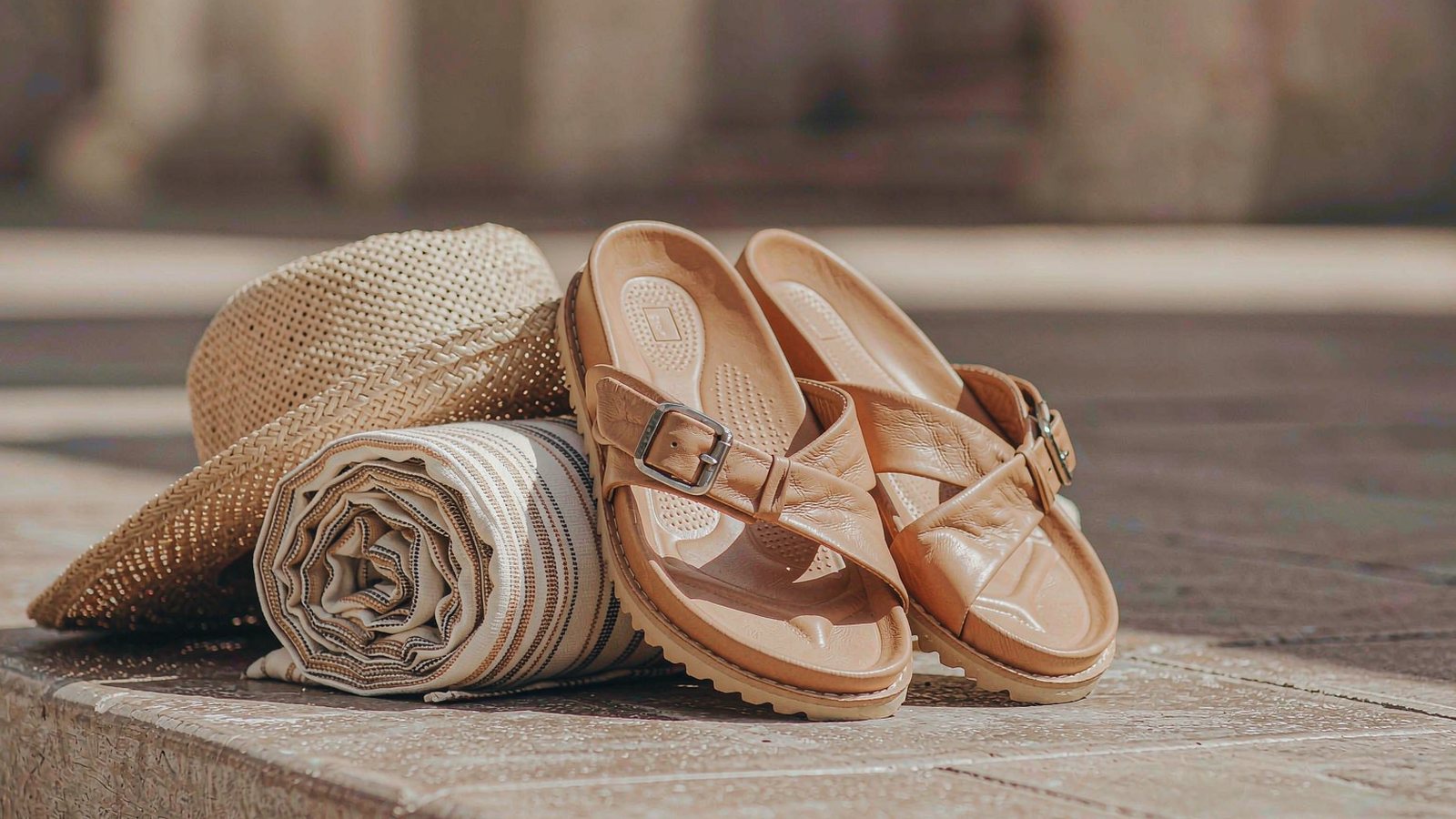
 The Best Slides and Sandals for Summer
Slides, sport sandals and recovery footwear compared on footbed material, arch support, strap durability and wet grip, plus which ones suit long walks.