The Best Hiking Boots for Day Hikes
Six day-hiking boots compared on waterproofing method, outsole rubber, upper material, break-in and fit width, plus how to tell a real trail boot from a fashion one.
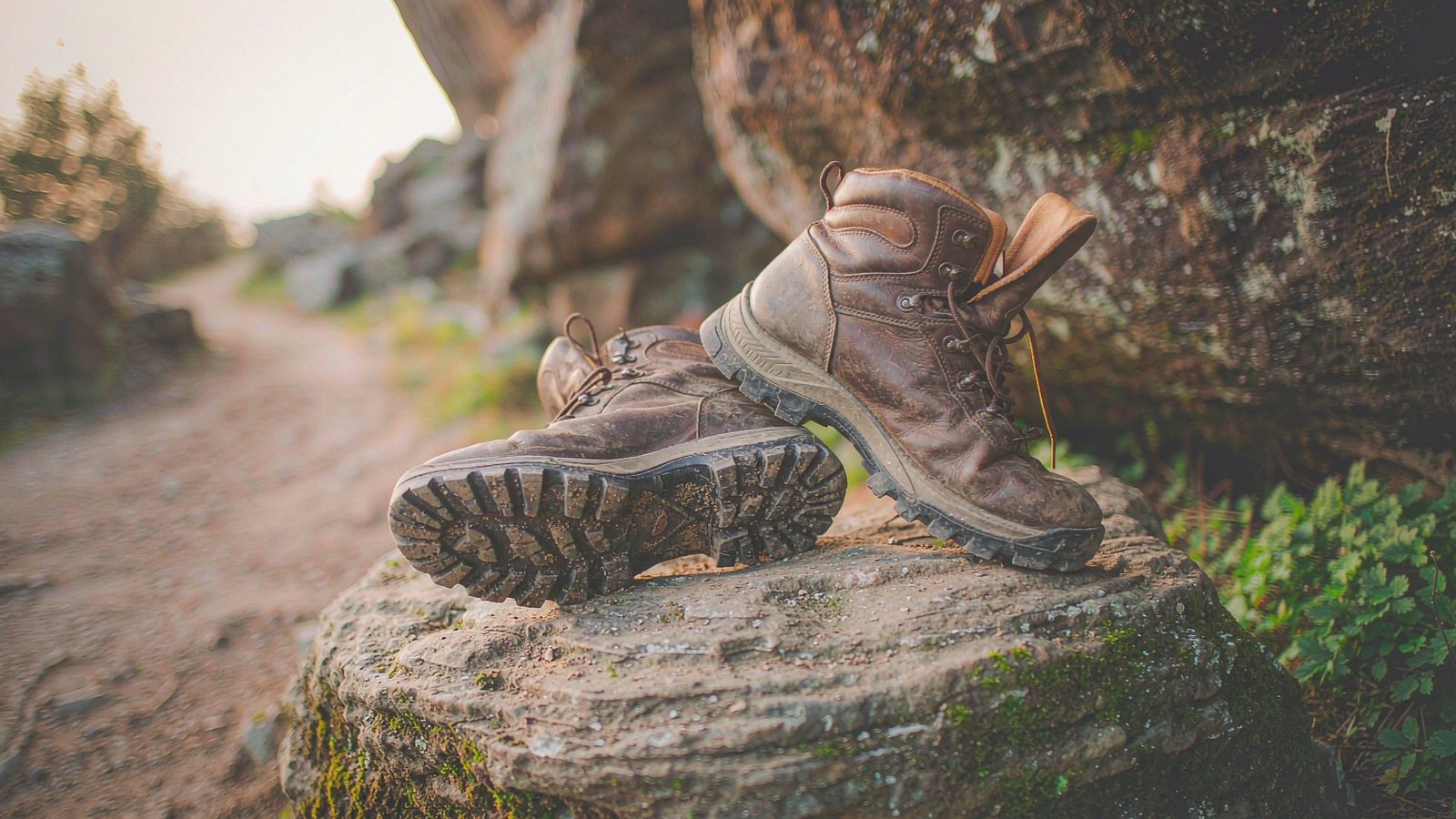
Top picks at a glance
Tap any pick to jump to the full breakdown, or use the link to check the current price.
| Pick | Best for | Check price |
|---|---|---|
| Salomon X Ultra 4 GTX Best overall for day hikes | Fast day hikes on mixed rock and dirt with a light pack | Check price |
| Merrell Moab 3 Mid Waterproof Best value do-it-all boot | Beginners and casual hikers who want comfort on the first walk | Check price |
| KEEN Targhee IV Mid Waterproof Best for wide feet | Hikers with wide feet or anyone who needs room for thicker socks | Check price |
| Lowa Renegade GTX Mid Best long-term durability | Hikers who want one pair to last several years and will maintain it | Check price |
| HOKA Anacapa 2 Mid GTX Best cushioned ride | Long, flatter day hikes on hard trail surfaces | Check price |
| Danner Mountain 600 Best heritage-looking boot | Hikers who want a boot that works on the trail and into town afterwards | Check price |
Most people buy their first pair of hiking boots for a specific trip, wear them once, and then discover that the boots were the least comfortable part of the day. The fix is not spending more money. It is understanding four or five design decisions and matching them to the ground you actually walk on.
This guide covers mid-height boots for single-day hikes with a light pack. If you are carrying a multi-day load or heading onto snow, the requirements change substantially.
The job a day-hike boot has to do
A day boot has to keep your foot stable on uneven ground, grip when the surface is wet, shed water long enough to get you home, and not rub. Everything else, from ankle height to colour, is secondary. Weight matters more than most marketing admits, because every gram is lifted several thousand times over a long walk.
What actually matters when you choose
1. Waterproofing: membrane or coating
There are two approaches and they behave differently. A membrane boot has a laminated waterproof layer inside the upper, usually GORE-TEX or a brand equivalent, so water cannot pass through the fabric while vapour can escape. It works well in sustained rain but can feel warmer, and once water enters over the collar it takes a long time to dry.
A coated or treated upper relies on a durable water repellent finish on the leather or textile. It is more breathable and dries faster, but it will eventually wet out, especially where the creases form across the toes. Treated leather appeals to hikers in cool, damp climates who would rather re-treat a boot than bake in a membrane.
2. Outsole compound and lug pattern
Rubber compounds differ more than the tread pictures suggest. Softer compounds like the ones used in Vibram Megagrip and Salomon’s Contagrip variants grip better on wet rock, at the cost of wearing down faster. Harder compounds last longer on abrasive granite but slide more readily when the surface is slick.
Lug depth and pattern matter just as much. Shallow, wide lugs suit hard-packed trail and rock, where they put more rubber in contact with the ground. Deeper, spaced lugs clear mud better but feel vague on slabs. For mixed day hiking, a medium-depth multi-directional pattern is the sensible middle ground.
3. How much stiffness you actually need
Boots are built around a shank, a stiff insert under the arch that stops the sole folding in the middle. A stiffer shank supports a heavy pack and protects the foot on sharp rocks, but it reduces ground feel and can feel clumsy. For a light day pack, a moderately flexible boot is more comfortable. The torsional test is simple: hold the boot and try to twist it like a towel. If it barely moves in your hands, it is a stiff boot.
4. Upper material and break-in
Synthetic mesh and textile uppers are light, airy and comfortable quickly. Full-grain leather and nubuck are more abrasion resistant, hold their shape, and can be cleaned and conditioned back to life, but they are heavier, warmer and take longer to soften. Most modern boots mix the two: leather in the high-wear zones, mesh everywhere else.
5. Fit: the last, the heel and the width
The last is the shape the boot is built around, and it decides everything. A narrow last suits a narrow foot and prevents the foot sliding sideways; a wide last avoids pinching but can feel imprecise. Check three things: heel hold on a steep step, toe room on a downward step, and pressure across the ball of the foot. Sizing advice differs per brand and even per model, so never assume your usual number.
What we would not pay extra for
- A very high collar. Ankle coverage helps a little, but a well-fitted mid boot does most of the work.
- Reinforced toe caps on smooth trail. Useful on rocky ground, extra weight on gravel paths.
- Aggressive mountaineering lugs for a flat local trail. You will wear them down without gaining grip.
- A boot rated for four seasons. In practice it is a compromise for all of them.
How to test a boot before a long hike
- Wear them indoors for an hour with your hiking socks on.
- Do ten minutes on a treadmill or a steep street at a fast pace.
- Walk up and down stairs to check the heel hold.
- Stand on the edge of a step with the ball of your foot to gauge stiffness.
- Only after two or three short walks should you take them on a full day out.
How to choose in ten minutes
- Decide whether you need waterproofing based on your local climate, not on marketing.
- Pick stiffness: light and flexible for day packs, stiffer for loads over about ten kilograms.
- Match the last to your foot width; if in doubt, size with the socks you will actually wear.
- Choose a mid-height boot unless ankle coverage is a specific concern.
- Confirm the return policy covers worn footwear, then break them in properly.
When boots are the wrong choice
If your hikes are on smooth, well-maintained paths in dry weather, a trail runner or a light hiking shoe is a better tool: lighter, cheaper and more comfortable. Boots earn their weight on rough ground, in sustained wet weather, or under a loaded pack. Buying a stiff boot for gentle paths usually leads to a pair in the cupboard that never gets worn.
How this guide was put together
This comparison draws on manufacturer specification pages, published technology descriptions and consistent themes in long-term owner reviews, including complaints. We have not conducted instrumented grip or waterproofing tests, and we do not quote prices because sales move them constantly. Treat the fit advice as a starting point for your own feet rather than a substitute for trying boots on.
Our picks in detail
Salomon
01 Salomon X Ultra 4 GTX
Light, grippy and supportive enough for rough ground without the weight of a backpacking boot. The published last runs slightly narrow, which is the main thing to check before buying.
Best for: Fast day hikes on mixed rock and dirt with a light pack
- GORE-TEX waterproof membrane
- Contagrip outsole with a chevron lug pattern
- Synthetic mesh and textile upper with a protective toe cap
- Published in low, mid and wide versions
Pros
- Very good grip on wet rock and loose gravel
- Light enough to wear all day without fatigue
- Drains and dries reasonably for a waterproof boot
Cons
- Narrow fit across the forefoot
- Thin cushioning compared with a cushioned mid boot
We may earn a commission from this link. Learn more.
Merrell
02 Merrell Moab 3 Mid Waterproof
One of the most widely worn trail boots in the world, and it earns that with a comfortable out-of-the-box fit and a broad size range. The sole is softer than the mountaineering-style options, so it wears faster on abrasive rock.
Best for: Beginners and casual hikers who want comfort on the first walk
- Waterproof membrane construction with a mesh and leather upper
- Vibram rubber outsole with a multi-directional lug pattern
- Moulded nylon arch shank for torsional support
- Published in wide widths as well as medium
Pros
- Very little break-in required
- Wide sizing available at a mainstream price
- Airy upper for a waterproof boot
Cons
- Soft midsole packs down over a season or two
- Not stiff enough for heavy loads or scree
We may earn a commission from this link. Learn more.
KEEN
03 KEEN Targhee IV Mid Waterproof
KEEN builds a genuinely roomy toe box, which is the reason many hikers keep coming back. The tradeoff is a bulkier profile and a slightly less precise feel on technical ground.
Best for: Hikers with wide feet or anyone who needs room for thicker socks
- Waterproof and breathable membrane
- KEEN All-Terrain rubber outsole with a lugged tread
- Leather and performance mesh upper with a rubber toe bumper
- Built on a wider last than most competitors
Pros
- Toe box that does not pinch on long descents
- Toe bumper protects against rock strikes
- Comfortable with thick wool socks
Cons
- Bulkier and heavier than the light hikers
- Wide toe box reduces precision on narrow rock steps
We may earn a commission from this link. Learn more.
LOWA
04 Lowa Renegade GTX Mid
A nubuck-leather boot with a reputation for lasting many seasons with basic care, and one of the few in this class that can be resoled by a cobbler. It asks for a proper break-in period.
Best for: Hikers who want one pair to last several years and will maintain it
- GORE-TEX lining with a nubuck leather upper
- Vibram outsole with a self-cleaning lug pattern
- PU midsole with a full-length stabiliser frame
- Resolable construction
Pros
- Leather upper holds up to years of use if cleaned and treated
- Stable underfoot on uneven ground
- Better support for a loaded pack than the light boots
Cons
- Needs a real break-in before a long hike
- Heavier and pricier than the synthetic alternatives
We may earn a commission from this link. Learn more.
HOKA
05 HOKA Anacapa 2 Mid GTX
HOKA's thick, rockered midsole translated into a hiking boot. The cushioning is a genuine relief on hard-packed trails, though a soft stack is less stable when you are edging across a slope.
Best for: Long, flatter day hikes on hard trail surfaces
- Waterproof GORE-TEX bootie construction
- Vibram Megagrip outsole with a multi-directional lug pattern
- Thick compression-moulded EVA midsole with a rocker
- Leather and textile upper with a rubber toe cap
Pros
- Cushioning that keeps legs fresh over distance
- Megagrip rubber performs well on wet surfaces
- Comfortable from the first wear
Cons
- High stack feels less planted on rough, off-camber ground
- Not the boot for scrambling
We may earn a commission from this link. Learn more.
Danner
06 Danner Mountain 600
Full-grain leather over a modern outsole, so it looks like a traditional boot and walks like a contemporary one. The leather is handsome but it scuffs and needs occasional conditioning.
Best for: Hikers who want a boot that works on the trail and into town afterwards
- Full-grain leather upper with a waterproof membrane
- Vibram SPE midsole with a Megagrip outsole
- Padded collar and a lace-to-toe lacing system
- Recraftable construction through the maker's service
Pros
- Leather finish that looks good off the trail
- Grip suited to wet roots and rocks
- Support that suits moderate loads
Cons
- Leather requires cleaning and conditioning to stay supple
- Warmer than a mesh boot in summer
We may earn a commission from this link. Learn more.
The bottom line
Our verdict
For most day hikers the Salomon X Ultra 4 GTX is the safest pick, because it is light, grippy and supportive without demanding a break-in period, as long as the narrow last suits your foot. If it does not, the KEEN Targhee is the direct fix for a wide forefoot, and the Merrell Moab is the best value if you want comfort on day one. Choose the Lowa if you would rather buy once and maintain a leather boot for years, and accept that the first few walks will be an adjustment.
Frequently asked questions
Do I need waterproof boots for day hikes?
It depends on where you walk. A waterproof membrane keeps out puddles, dew and light rain, but it also slows drying once water gets in over the top or through the collar. In hot, dry conditions a breathable non-waterproof boot is often more comfortable. For wet, muddy year-round trails, waterproofing earns its place.
Should hiking boots be tight or loose?
Snug through the midfoot and heel, roomy in the toe box. Your heel should not lift when you walk, and your toes should not touch the front on a steep descent. Feet swell during a hike, so try boots on late in the day and with the socks you plan to wear, which are usually thicker than everyday socks.
How long does break-in take?
A synthetic boot with a mesh upper is usually comfortable within a couple of short walks. A full leather boot can take several weeks of gradual wear before it stops feeling stiff, which is normal rather than a fault. Wear leather boots around the house and on short walks first, and never take a new pair straight onto a long route.
Can I use trail runners instead of boots?
For light day hikes on well-made trails, yes. Trail runners are lighter and often grippier, and many experienced hikers prefer them. Boots make more sense when you carry a heavier pack, walk on rough or loose ground, or want ankle coverage and a stiffer platform underfoot.
Sources & further reading
- Salomon — official hiking footwear product and technology pages
- Merrell — official hiking boot product pages
- LOWA — official hiking boot product pages
Facts and availability last checked September 15, 2026.
Keep going
Related guides
 Shoes & Hats
 The Best Slippers for Cold Floors
Six slippers compared on sole type, lining, wool content and fit, for cold hardwood and tile floors, with honest notes on washing and lifespan.
 Shoes & Hats
 The Best Kids' Shoes That Survive a Whole School Year
Six kids' shoes compared on toe protection, outsole rubber, fastening and width fit, plus how to size for growth without buying shoes that fall apart.
 Shoes & Hats
 The Best Baseball Caps for Every Face Shape
Caps compared on crown structure, depth, brim curve, fabric and closure, with six real models and practical advice on matching a cap to your face and hairline.