The Best Graphic Tees That Don't Fade in a Month
Graphic tees compared by print method, blank weight and how each actually ages in the wash, from heavy screen prints to soft discharge and DTG.
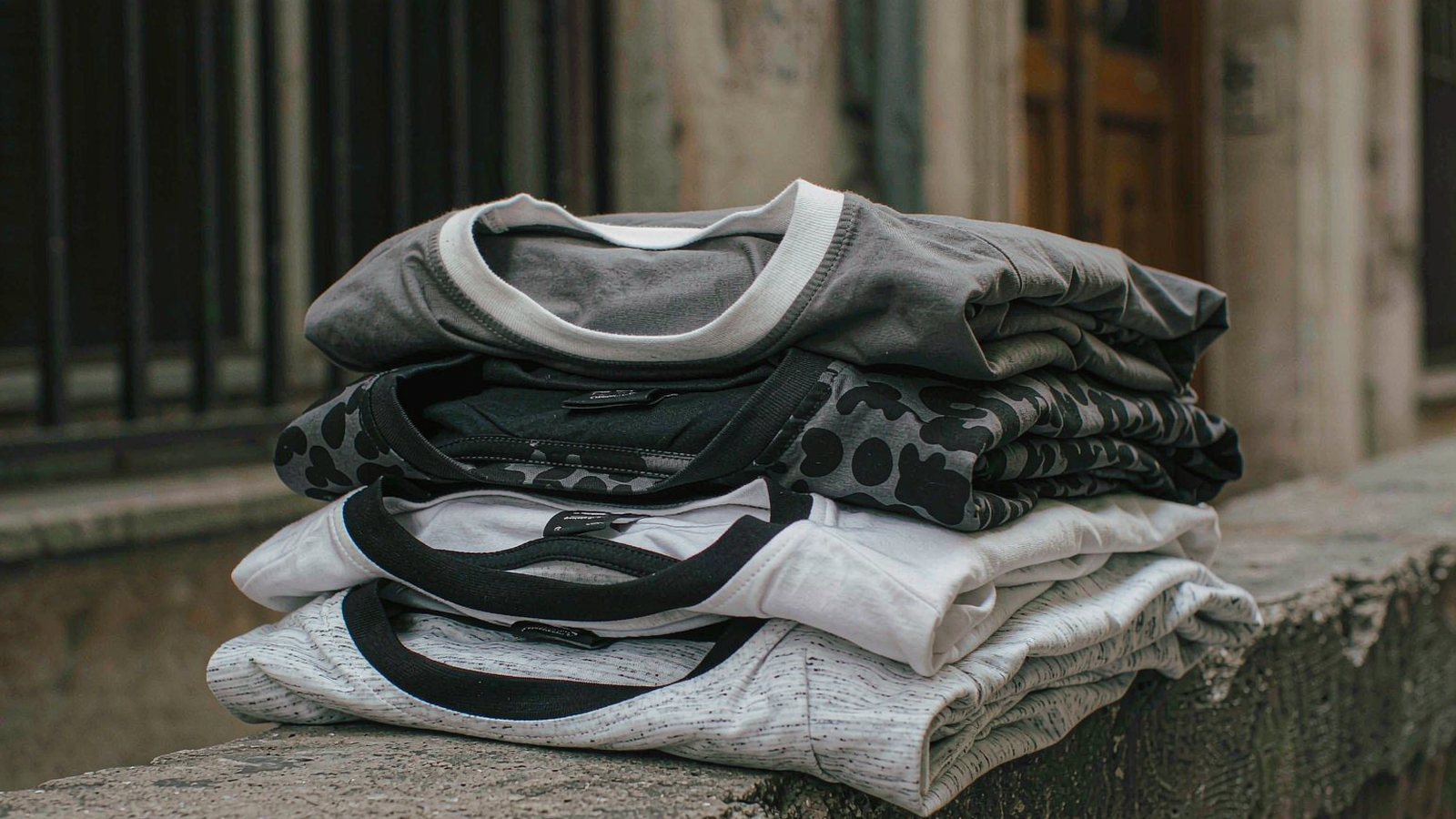
Top picks at a glance
Tap any pick to jump to the full breakdown, or use the link to check the current price.
| Pick | Best for | Check price |
|---|---|---|
| Carhartt WIP S/S Chase T-Shirt Best overall | People who want a graphic tee that still looks right in two years | Check price |
| Stüssy Basic Logo T-Shirt Best-known graphic | Anyone who wants the recognisable graphic and is comfortable paying for it | Check price |
| Comfort Colors 1717 Garment-Dyed T-Shirt Best faded look on purpose | Soft washed-out colours and tees that look lived in immediately | Check price |
| Nike Sportswear Club T-Shirt Best availability | Buying in quantity, replacing worn-out basics, and trying a colour without committing | Check price |
| The North Face Short-Sleeve Graphic Tee Best heavier cotton | A slightly heavier tee with a graphic that will not date | Check price |
| Gildan Hammer Heavyweight T-Shirt Best blank to print | Printing your own designs or replacing a worn tee without paying for a logo | Check price |
A graphic tee fails in one of two places, and the label never tells you which. Either the print cracks and peels off a shirt that is otherwise perfectly fine, or the shirt itself goes shapeless and thin while the graphic is still intact. Which one happens depends on two decisions the manufacturer made before you ever saw the product: the print method and the blank underneath it.
Both are more legible than they look, and once you know what to look for you can usually judge a tee from the product page.
The print method decides how the graphic ages
Screen print: plastisol against water-based
Plastisol is the default. It is a thick ink that cures into a rubbery film sitting on top of the cotton. It is opaque, it holds bright colours on dark shirts, and it lasts a long time if you treat it well. Two failures show up over years: cracking along fold lines, and a plastic hand that never softens.
Water-based screen print soaks into the fibre and feels like part of the shirt. Its colour is less punchy on dark garments, and it fades into a vintage look relatively quickly. When that fading is even, it looks good; when it is patchy, it looks like a mistake.
Discharge printing and why it feels like nothing
Discharge paste removes the dye from the cotton instead of depositing ink. The graphic ends up as the natural colour of the fibre, which is why discharge prints on a black tee read as off-white or oatmeal rather than pure white. There is no film to crack and no hand feel at all. The catch is that it only works on certain dyed cottons, and results vary between dye lots. Some discharge prints shift yellow over several years.
Direct to garment
DTG is inkjet printing sprayed directly onto the garment after a pre-treatment. It handles photographic detail and small runs that screen printing cannot do economically. It sits in the fibre and feels soft. On dark shirts it fades faster than a plastisol print, and the durability depends heavily on how well the printer dialled in the pre-treatment and cure. Ask who printed it if you can.
Puff print, vinyl and the prints that die first
Puff print is plastisol loaded with a blowing agent that expands under heat, giving a raised surface. The raised edges are the first thing to crack. Heat-transfer vinyl sits on the surface as a separate sheet and lifts at the corners, usually within a year. Neither is inherently bad design, but both are wear items, so treat them as decorative and short-lived rather than durable.
The blank underneath matters as much as the art
A print is only as good as what it is printed on. Two things to look for.
Ring-spun cotton against open-end cotton. Ring-spun fibre is combed and aligned, which makes it softer and gives a smoother surface for ink to bond to. Open-end cotton is cheaper, coarser and heavier-feeling at the same weight, and it does not take fine detail as cleanly.
Weight. Around 6 oz, or roughly 200 gsm, is where a tee stops feeling flimsy. Below that you get a shirt that goes translucent at the shoulders after a few months of wear. Above 7 oz you are into a heavier, stiffer cloth that holds a boxy shape well but takes longer to soften.
Also check for taped neck and shoulder seams. Untaped collars stretch into a wavy line at the neck, and that single failure makes an otherwise good tee look old.
What we would not pay extra for
- Large prints on thin blanks. The ink film is heavier than the fabric can support, and the shirt collapses around it.
- “Vintage” or “distressed” prints applied at the factory. A distressed print applied to a stiff new blank looks like what it is. Buy a tee that will distress itself.
- Heavyweight branding on the neck label. It scratches, and it tells you nothing.
- Limited-edition drops that restock in a month. Scarcity is a marketing decision, not a quality one.
- Extremely detailed artwork on open-end cotton. The fabric surface is too uneven and the detail muddies within a few washes.
A four-question test before you buy
- What is the print method? If the listing does not say screen print, DTG or discharge, it is almost certainly plastisol, and possibly vinyl.
- What is the fabric weight? Under 5.5 oz, expect a short life. At 6 oz and up you have something worth washing carefully.
- Is the collar taped? Look for the words taped neck or shoulder-to-shoulder taping.
- Does the graphic sit over a fold? Big prints across the chest crease crack earliest. Placement matters as much as ink.
How to make one last
Wash cold, inside out, with the shirt unrolled so the print is not creased against itself. Use a normal amount of detergent and skip bleach entirely. Air dry, or tumble on low for a few minutes to soften and then hang. Iron on the reverse only, never directly over the graphic.
Two rules cover most of it: heat kills prints, and agitation kills fabric. Reduce both and a good tee will outlast the trend that made you buy it.
A note on how this guide was put together
This comparison is based on published fabric weights, print method descriptions, care instructions and consistent themes in long-term owner reports, including complaints that surface months after purchase. We did not run wash tests or measure colour fastness ourselves. Where durability is described, it is an aggregate of what owners report over time rather than a controlled result.
Stock and pricing shift constantly, so we do not quote figures. Check the current price, and if you are buying a printed tee specifically because of the graphic, confirm the print method with the seller before ordering, because that is the detail most listings leave out.
Our picks in detail
Carhartt WIP
01 Carhartt WIP S/S Chase T-Shirt
A heavier cotton tee with a small embroidered chest logo rather than a large printed one, so there is almost nothing to crack or fade. The tradeoff is that it is a plain tee with a logo, not a graphic tee in the loud sense.
Best for: People who want a graphic tee that still looks right in two years
- Midweight cotton jersey with a dry, slightly stiff hand
- Small embroidered chest logo rather than a printed graphic
- Ribbed collar with a taped neck seam
- Relaxed but not oversized body
Pros
- Embroidery does not crack, peel or fade the way a print does
- Fabric weight holds the shoulder line instead of collapsing
- Neutral colourways that pair with most wardrobes
Cons
- Costs several times a plain tee of similar weight
- The graphic is minimal, so it is not a statement piece
- Runs slightly boxy, which is not flattering on every frame
We may earn a commission from this link. Learn more.
Stüssy
02 Stüssy Basic Logo T-Shirt
The logo most people mean when they say streetwear graphic tee, printed on a decent midweight cotton blank. The catch is price per garment: you are paying for the mark, not the cloth.
Best for: Anyone who wants the recognisable graphic and is comfortable paying for it
- Midweight cotton jersey with a standard streetwear cut
- Large screen-printed chest or back logo depending on the style
- Ribbed collar, untapered body
- Released in recurring colourways
Pros
- Widely recognised and easy to resell if you tire of it
- Print placement is consistent between drops
- Fabric is a real step up from fast-fashion blanks
Cons
- Large plastisol prints sit on top of the fabric and can crack at fold points
- Priced well above an equivalent unbranded tee
- Heavily counterfeited secondhand
We may earn a commission from this link. Learn more.
Comfort Colors
03 Comfort Colors 1717 Garment-Dyed T-Shirt
A pigment-dyed heavyweight tee with a soft, broken-in hand from the first wear. It will fade noticeably, and that is the intended effect rather than a defect, but it does mean the colour you buy is the darkest it will ever be.
Best for: Soft washed-out colours and tees that look lived in immediately
- Heavyweight cotton jersey, noticeably heavier than a standard blank
- Garment-dyed, so colour penetrates the finished shirt
- Soft hand with a slightly irregular surface
- Sold as a print-ready blank in many colours
Pros
- Feels broken in from the first wear
- Dye sits in the fibre, so surface wear is less obvious
- Very good value for the weight
Cons
- Colour fades faster than piece-dyed cotton by design
- Slight shrinkage is normal, especially in length
- Printers sometimes struggle with colour accuracy on these blanks
We may earn a commission from this link. Learn more.
Nike
04 Nike Sportswear Club T-Shirt
The mainstream option that is genuinely decent cloth, widely stocked and easy to replace. The caveat is that Club tees are a midweight standard fit, not the boxy cut the current streetwear look expects.
Best for: Buying in quantity, replacing worn-out basics, and trying a colour without committing
- Midweight cotton jersey with a soft hand
- Printed chest logo using standard plastisol ink
- Ribbed crew neck with taped seams
- Wide size and colour range
Pros
- Easy to find in stores and online, including larger sizes
- Consistent sizing across the range
- Reasonable fabric quality for the price
Cons
- Standard fit rather than oversized
- Printed logo can crack if you tumble dry it hot
- Very common, so it will not read as distinctive
We may earn a commission from this link. Learn more.
The North Face
05 The North Face Short-Sleeve Graphic Tee
Outdoor-brand cotton tees are usually a touch heavier and better finished than fashion blanks, and the graphic designs stay outdoorsy rather than trend-chasing. The downside is a limited colour palette that leans earthy.
Best for: A slightly heavier tee with a graphic that will not date
- Heavier cotton jersey than most fashion blanks
- Screen-printed or water-based graphics on the chest or back
- Ribbed collar with shoulder-to-shoulder taping
- Standard and relaxed fits depending on the style
Pros
- Better seam finishing than typical graphic tees
- Graphics that reference places and activities rather than trends
- Often available on sale at the end of season
Cons
- Limited colourways, mostly earth tones
- Designs vary a lot between seasons, so replacing one is not guaranteed
- Fit is generous through the body
We may earn a commission from this link. Learn more.
Gildan
06 Gildan Hammer Heavyweight T-Shirt
A heavier ring-spun blank sold cheaply for printing, which is how you get exactly the graphic you want on cloth you chose. The compromise is that it is a blank: no graphics, no styling, and the fit is a plain unisex cut.
Best for: Printing your own designs or replacing a worn tee without paying for a logo
- Heavyweight ring-spun cotton, heavier than the standard 5.3 oz blank
- Double-needle stitched sleeves and bottom hem
- Taped neck and shoulders
- Sold individually or in packs
Pros
- Very low cost per shirt for the weight
- Ring-spun cotton takes screen print and DTG well
- Good range of sizes
Cons
- Plain unisex cut with no styling
- Fabric feel is functional rather than premium
- Colour consistency varies between dye lots
We may earn a commission from this link. Learn more.
The bottom line
Our verdict
If you want one graphic tee that will still look deliberate in two years, start with something where the graphic is small and the cloth is heavy, which is the Carhartt WIP Chase tee in this list. If the logo itself is the point, the Stüssy tee is the honest choice, just accept that a good part of the price is the mark. For softness and a lived-in look from day one, the Comfort Colors blank is the best value here, but understand that its colour fading is the feature, not a fault. And if you want a specific image rather than a brand, buy a heavy blank and have it printed properly, because the print method you choose will decide whether the tee lasts a year or five. Check the current price on all of them and confirm the print method before you order.
Frequently asked questions
Why does a screen print crack but the shirt underneath is fine?
Because plastisol ink sits on top of the fabric as a cured film rather than soaking in. When the shirt is stretched or tumble dried, the film has to move with the fabric and eventually splits, usually along fold lines and across the chest. Washing cold, inside out, and air drying is the single biggest thing you can do to slow it down.
Is direct to garment printing worse than screen printing?
It is different rather than simply worse. DTG soaks into the cotton, so it feels softer and handles fine detail and small runs that screen printing cannot do economically. It also tends to fade faster on dark garments, and it depends heavily on the pre-treatment the printer used. A good DTG print beats a bad screen print, and vice versa.
What does discharge printing actually do?
It uses a paste that removes the dye from the cotton rather than adding ink on top, so the graphic reads as the natural fibre colour and feels like nothing at all. It ages well because there is no film to crack. It only works on certain dyed cottons, results vary between dye lots, and some discharge prints yellow over time.
How can I tell a good blank before buying?
Look for ring-spun cotton rather than open-end, which is softer and prints better, and a stated weight of around 6 oz or 200 gsm upward for a tee that keeps its shape. Check for taped neck and shoulder seams. If the brand will not tell you the weight or the cotton type, assume it is the cheapest option they could source.
Sources & further reading
- Carhartt WIP — official t-shirt product pages
- Comfort Colors — official garment-dyed blank specifications
- Stüssy — official product and lookbook pages
Facts and availability last checked September 15, 2026.
Keep going
Related guides
 Streetwear
 Collab Sneakers: How to Tell Hype From a Genuinely Good Shoe
How to judge collaboration sneakers on tooling, materials and longevity rather than resale hype, with six collabs that illustrate the difference.
 Streetwear
 How to Shop Vintage and Thrift for Real Streetwear
A practical guide to dating, judging and buying vintage clothing, from tag eras and stitching to sizing, fakes and what is not worth hunting.
 Streetwear
 Streetwear Brands That Are Actually Worth the Price
A value test for streetwear brands, looking at fabric, construction, hardware, cut consistency and resale instead of hype and drop calendars.