The Best Portable Bluetooth Speakers for Backyards and Beaches
Outdoors, every speaker sounds different. We compare water ratings, battery behaviour and how each portable speaker handles open air and wind.
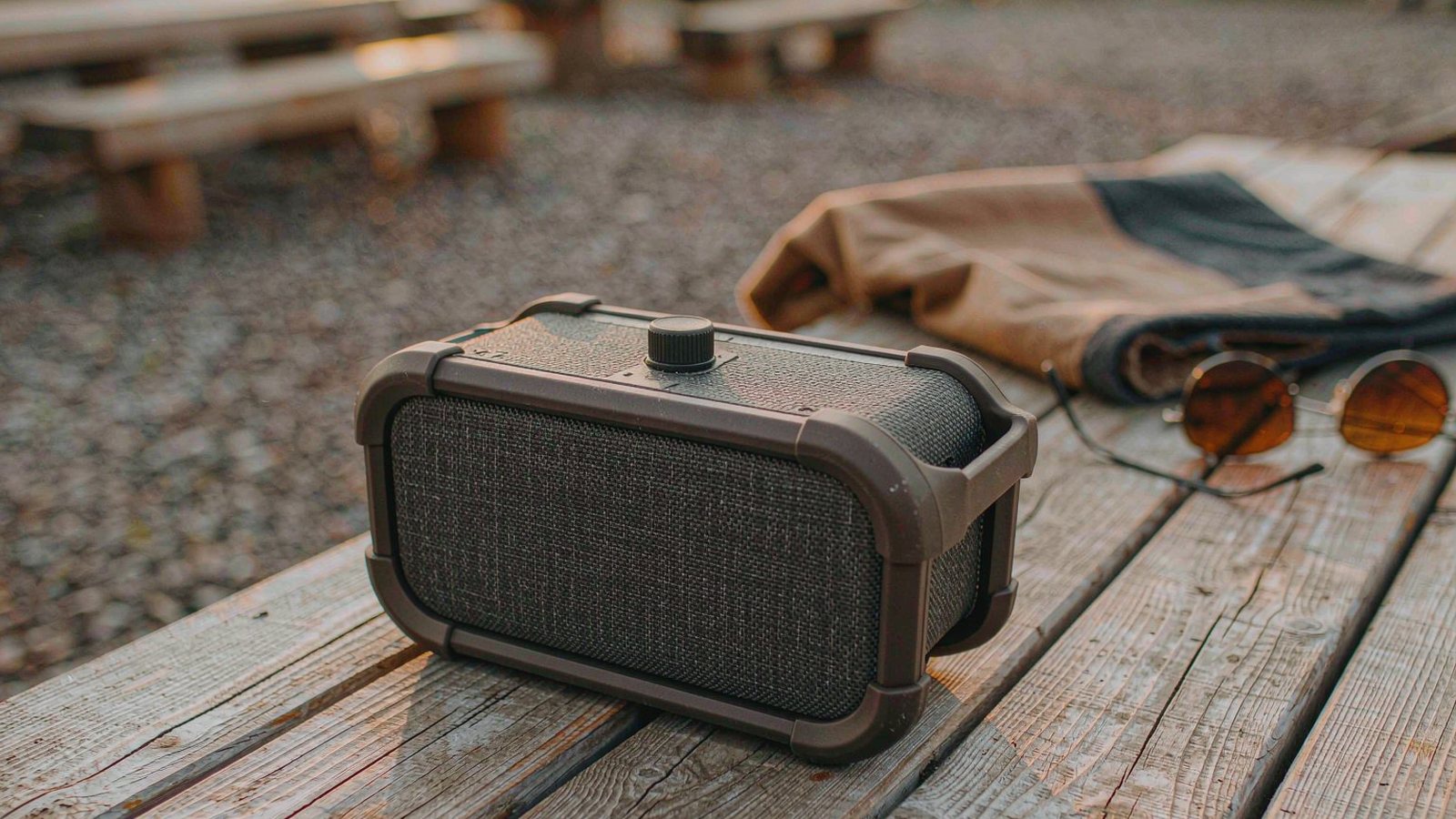
Top picks at a glance
Tap any pick to jump to the full breakdown, or use the link to check the current price.
| Pick | Best for | Check price |
|---|---|---|
| JBL Charge 5 Best overall | Gardens, picnics and trips where one speaker has to cover a group | Check price |
| Bose SoundLink Flex Best sound for the size | People who care about how music sounds and want something that fits in a bag | Check price |
| Ultimate Ears Wonderboom 3 Best for rough use | Poolsides, kayaks and camping where the speaker will be dropped or submerged | Check price |
| JBL Flip 6 Best compact option | Cycling, day trips and small outdoor gatherings | Check price |
| Sonos Roam 2 Best for existing Sonos homes | Homes that already run Sonos speakers and want one that travels | Check price |
| Anker Soundcore Motion 300 Best budget pick | A first outdoor speaker, a spare for the car, or a gift that does not break the budget | Check price |
Portable speakers are one of the few products where the marketing claims are broadly true. A rugged speaker really does survive a rain shower, and a large one really is loud enough for a garden. The differences that matter are subtler than the specification list suggests.
Outdoors, air carries sound away instead of bouncing it back. A speaker that sounds full in a bedroom will sound thinner in a field. That single fact explains most of the disappointment people have with their first outdoor speaker, and it should shape what you buy.
What separates a good outdoor speaker from a simply loud one
Water and dust ratings, translated
The rating has two parts. The first covers dust and the second covers water, and the second is the one to read carefully. Protection against splashes means rain is fine and a drop into a pool is not. Protection against immersion means it genuinely can be submerged and survive. If the speaker will be near a pool, a lake or a boat, buy an immersion rating and do not compromise.
How it copes with open air
Every portable speaker loses bass outdoors because there is nothing to reinforce the low frequencies. Larger drivers move more air and cope better. So the honest advice is that if the speaker will mostly be used in a garden or on a beach, buy a size larger than you think you need. A compact speaker that sounds excellent indoors will sound small outside.
Battery, and whether it can share
Battery life is straightforward, with one twist worth checking: some larger speakers can charge a phone from their own battery. On a long day out that is genuinely useful, and it is a better use of a big battery than simply playing for longer.
Pairing and stereo modes
Many brands let you link two compatible speakers for wider sound. For a garden party this matters more than a small difference in audio quality, because two speakers spread across a space create a far more pleasant result than one louder speaker in a corner. Check which models in a range support pairing.
How you carry it
Weight matters more than dimensions. A speaker with a strap or a utility loop is easy to hang from a chair, a bike or a tent pole. One without means you are holding it, which you will stop doing within an hour.
What we would not pay extra for
- Very high volume claims. Past a certain point, a small speaker just distorts.
- A speakerphone feature you will never use outdoors. Fine to have, never a deciding factor.
- Voice assistants on an outdoor speaker. You will not use them in the garden.
- A premium brand name printed across the grille. It does not improve the sound.
- Wireless charging bases for a portable speaker. They defeat the point of portability.
Matching the speaker to the place
Balcony or small patio. A compact speaker is enough, and being able to hang it matters more than power.
Garden with guests. Buy a full-size rugged speaker, or two smaller ones that pair. One small speaker will not cover the space.
Beach, lake or boat. Immersion-rated and floating, without exception. Sand and salt water destroy things that are merely splash-resistant.
Camping or hiking. Lightweight, long battery, and a strap or loop. You will be carrying it further than you expect.
Around the house. If it mostly stays home, a Wi-Fi speaker that integrates with a larger system is a better long-term buy than a Bluetooth one.
A five-minute decision order
- Decide whether it will get wet. That answer picks the water rating and eliminates most of the market.
- Estimate the space it needs to fill. Garden means large, balcony means compact.
- Check the battery figure and whether it can charge a phone.
- Look for a strap or loop. It is the most-used feature on any portable speaker.
- Check pairing support if you might buy a second one later.
- Confirm the return window. Outdoor speakers get used hard, and faults appear quickly.
When not to buy a portable speaker
If it will live on a shelf in one room, a stationary speaker sounds better for the same money because it does not have to compromise on battery and size. If your neighbours are close, a large outdoor speaker is a poor idea regardless of how good it sounds. And if the main use is one person listening while doing something else, a pair of earbuds is cheaper, lighter and more considerate.
How this guide was researched
We did not run acoustic measurements or battery tests. This comparison is based on published specifications, manufacturer water and dust rating documentation, warranty terms and consistent themes in long-term owner reports, particularly the charging faults, grille damage and battery ageing that show up after a summer or two of use. Where we describe sound, we are summarising patterns in owner experience rather than results from a test bench we operated. Sound outdoors depends heavily on the space, so treat the shortlist as a starting point and check the current price before buying.
Our picks in detail
JBL
01 JBL Charge 5
The reliable middle of the range: loud enough for a garden, rugged enough to survive being left out, and with enough battery for a long afternoon. It is not the most refined speaker here, and it does not need to be.
Best for: Gardens, picnics and trips where one speaker has to cover a group
- Rugged cylindrical body with water and dust protection
- Long rated battery life on a single charge
- Can charge a phone from its battery over USB
- Party pairing mode to link compatible speakers
Pros
- Plenty of volume for outdoor use
- Survives rain, splashes and dust without drama
- Doubles as a power bank in an emergency
Cons
- Heavier than the compact options
- Bass loses definition outdoors where there is no wall to reinforce it
We may earn a commission from this link. Learn more.
Bose
02 Bose SoundLink Flex
A flat, pocketable speaker that sounds fuller than its dimensions suggest. It is the pick when you want quality in a small package rather than maximum volume.
Best for: People who care about how music sounds and want something that fits in a bag
- Flat body designed to sit in several orientations
- Water and dust protection for outdoor use
- Rugged silicone shell with a utility loop
- Speakerphone capability for calls
Pros
- Very good tonal balance for the size
- Works upright, flat or hanging from the loop
- Solid build that takes knocks
Cons
- Not loud enough to fill a large open space
- Battery life is shorter than the larger competition
We may earn a commission from this link. Learn more.
Ultimate Ears
03 Ultimate Ears Wonderboom 3
A floating, drop-resistant ball of a speaker built for people who will absolutely get it wet. Sound quality is cheerful rather than accurate, and it survives things that would kill the rest of this list.
Best for: Poolsides, kayaks and camping where the speaker will be dropped or submerged
- Spherical body that floats in water
- Water and dust protection rated for immersion
- Drop resistant construction
- Pairing mode to link two speakers for stereo
Pros
- Floats and keeps playing if it falls in the water
- Very tough for the price
- Small and light enough to clip to a bag
Cons
- Bass is limited by the compact body
- Not the right pick for critical listening
We may earn a commission from this link. Learn more.
JBL
04 JBL Flip 6
The smaller sibling of the Charge, with the same rugged approach and most of the volume. Best if you want portability over battery life and do not need to charge a phone from it.
Best for: Cycling, day trips and small outdoor gatherings
- Compact cylindrical body with water and dust protection
- Two-way speaker design for clearer treble
- Party pairing mode across compatible speakers
- USB-C charging
Pros
- Easily fits a bottle cage or a small bag
- Clearer high frequencies than the larger single-driver designs
- Excellent durability for the size
Cons
- Battery life is significantly shorter than the Charge
- Cannot act as a power bank for your phone
We may earn a commission from this link. Learn more.
Sonos
05 Sonos Roam 2
A portable speaker that joins the rest of a Sonos system over Wi-Fi at home and switches to Bluetooth outside. For a Sonos household it is the obvious choice, and for everyone else it is expensive.
Best for: Homes that already run Sonos speakers and want one that travels
- Wi-Fi streaming at home with automatic switching to Bluetooth away from it
- Integrates with a wider multi-room system
- Water and dust protection for outdoor use
- Voice assistant support built in
Pros
- Becomes part of the whole-house system when at home
- Small and genuinely portable
- Multi-room grouping is seamless for Sonos users
Cons
- Costs much more than standalone speakers of similar size
- Fiddly setup and account requirement compared with a plain Bluetooth speaker
We may earn a commission from this link. Learn more.
Anker
06 Anker Soundcore Motion 300
An inexpensive speaker with a decent feature set and a slim body that packs easily. Bass and maximum volume trail the established names, which is exactly where the savings came from.
Best for: A first outdoor speaker, a spare for the car, or a gift that does not break the budget
- Slim body with water and dust protection
- App-based equaliser and sound adjustment
- Long rated battery life
- Speakerphone capability
Pros
- Very low price for the build quality
- App equaliser lets you tune the sound
- Slim shape slides into a bag
Cons
- Cannot match the established brands for bass weight
- Maximum volume is modest for outdoor use
We may earn a commission from this link. Learn more.
The bottom line
Our verdict
For most people the JBL Charge 5 is the safest buy: it is loud enough for a garden, tough enough to be left in the rain and its battery doubles as a phone charger. If sound quality matters more than volume, the Bose is the more enjoyable speaker and it travels better. Choose the Ultimate Ears if the speaker will end up in water, the Flip if you want something smaller, and the Sonos only if you already own Sonos gear. The budget Anker is fine for a casual afternoon, but do not expect it to fill an open field. Whatever you choose, check the return policy, because outdoor speakers live hard lives.
Frequently asked questions
What do the IP ratings on outdoor speakers actually mean?
The first digit covers dust and the second covers water. A rating that includes protection against immersion means the speaker can survive being dropped in water. A rating covering only splashes is fine in rain but not in a pool. Higher numbers are better, and a speaker with a clear immersion rating is the safe choice if it will be near water.
Why does my speaker sound worse outdoors?
Outdoors there are no walls or ceilings to reflect sound back at you, so bass loses much of its reinforcement and the sound seems thinner. Wind also carries high frequencies away. This is normal and affects every speaker. Placing it near a wall or in a corner can partially restore the low end.
Can I pair two of the same speaker for stereo?
Most of the major brands offer a stereo pairing mode between two identical or compatible models, and it makes a real difference for outdoor gatherings because it spreads the sound across a wider area. Check that the specific models support pairing before buying two, as support varies within a range.
How long should the battery last before it degrades?
Lithium batteries lose capacity over charge cycles, and an outdoor speaker that is used regularly and left in the sun will age faster than one kept indoors. Storing it at moderate temperature and not leaving it fully depleted helps. Expect noticeable capacity loss after a few years of heavy summer use.
Sources & further reading
- JBL portable speakers — official product and specification pages
- Bose SoundLink Flex — official product page
- Ultimate Ears speakers — official product pages
Facts and availability last checked September 15, 2026.
Keep going
Related guides
 Tech
Tech The Best Noise-Cancelling Headphones for Commuters and Open Offices
We compared over-ear noise-cancelling headphones on published specs, comfort for long wear, call quality and warranty cover — plus which models to skip and why.
 Tech
Tech The Best Robot Vacuums for Homes With Pets and Constant Hair
Pet hair is the hardest test for a robot vacuum. We compare brush designs, self-emptying bases and navigation to find the ones that cope with real animals.
 Tech
Tech The Best Laptops for College Students Who Don't Want to Replace Them in Two Years
A student laptop should survive four years, not two. We compare repairability, battery, keyboard and support policies instead of benchmark charts.