The Best Minimalist and Barefoot Shoes
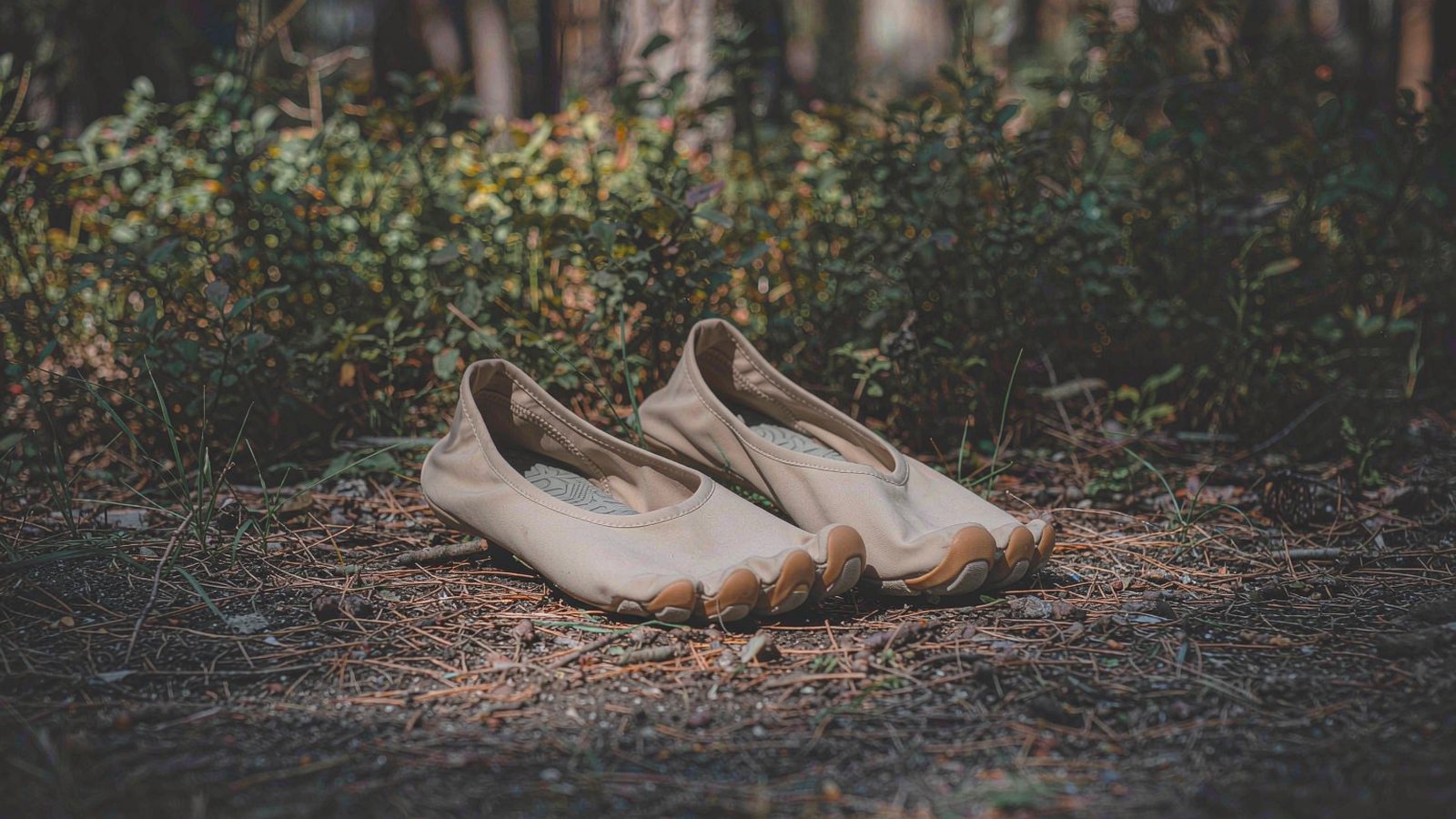
Minimalist shoes compared on stack height, heel drop, toe box shape, sole flexibility and tread, plus a sensible transition plan and who should avoid them.
Top picks at a glance
Tap any pick to jump to the full breakdown, or use the link to check the current price.
| Pick | Best for | Check price |
|---|---|---|
| Vivobarefoot Primus Lite III Best overall minimalist shoe | Gym training, short runs and everyday wear once you are adapted | Check price |
| Xero Shoes HFS II Best value minimalist runner | Runners moving from conventional shoes to zero drop | Check price |
| Merrell Vapor Glove 6 Best for ground feel | Trail walking, gym sessions and anyone who wants maximum ground contact | Check price |
| Lems Primal 3 Best for everyday wear | All-day wear where you want minimal structure without looking unusual | Check price |
| WHITIN Wide Minimalist Barefoot Shoes Best budget entry point | Trying the barefoot shape before spending real money | Check price |
| Altra Escalante 4 Best transitional zero-drop | Runners who want zero drop for longer distances | Check price |
A minimalist shoe asks your feet to do work that a conventional shoe has been doing for them. Everything the category does well follows from that fact, and so does every problem people run into when they switch too quickly.
The shoes themselves are simple: a flat, flexible sole, a wide toe box, and as little structure as possible. Comparing them is mostly a matter of measuring how far each one goes in that direction, and whether you want to go that far.
What “barefoot” actually means in a shoe
Manufacturers use three terms loosely. Minimalist usually means a low stack, a flexible sole and little or no drop. Barefoot typically means zero drop with a very thin sole and a foot-shaped toe box. Zero drop on its own says something about the heel-to-toe relationship only, and a zero-drop shoe can still have a thick, cushioned midsole.
A shoe described as all three generally has a sole under about ten millimetres including the outsole, no heel lift, and a toe box that follows the shape of a relaxed foot. Anything thicker is a transition shoe, which is not a criticism, just a different product.
What actually matters when you choose
1. Stack height and ground feel
Stack height is the thickness of everything under your foot. Lower stack means more information reaching your sole, which many wearers report changes how they land and how they balance. It also means every stone and root is transmitted directly upward, which is uncomfortable at first and painful on gravel. Decide how much of your walking is on hard, debris-strewn ground before choosing the thinnest option.
2. Zero drop and what it does to your stride
With no heel lift, the foot lands flatter and the calf and Achilles do more work. That is a real change in load, and it is why a gradual transition matters. If you currently wear a 10 mm drop shoe, going straight to zero for long runs is the fastest way to develop a sore Achilles.
3. Toe box shape and volume
The defining feature of the category is a toe box that follows the outline of a relaxed foot rather than tapering to a point. Look at the width across the ball of the foot, not just the length. Some models combine a wide toe box with a narrow midfoot, which suits people whose feet are wide at the front but not through the middle.
4. Sole flexibility, compound and tread
A true minimalist sole should bend in your hands and twist without resistance. The compound matters too: softer rubber grips wet rock but wears quickly, while harder compounds last longer with less traction. For trail use, look for a moderate lug pattern; for pavement, a smooth or lightly textured sole is fine. Manufacturers often publish whether the sole includes a puncture-resistant layer, which is worth having if you walk on rough ground.
5. The transition matters more than the shoe
Almost every negative experience with minimalist shoes traces back to doing too much too soon rather than to a defect in the shoe. Treat the first month as training rather than shopping. The pair you choose matters far less than how you introduce it.
What we would not pay extra for
- “Barefoot technology” branding. Look at the stack height and the drop instead.
- A waterproof membrane. It traps sweat in a shoe with no room to hide it.
- A thick insole sold as an upgrade. It undoes the point of the shoe.
- A premium upper. The sole and the shape do the work.
A four-week transition plan
- Week one. Wear the shoes indoors and on short walks of twenty minutes. Note any calf tightness.
- Week two. Alternate: one day of minimalist walking, one day in conventional shoes.
- Week three. Add short, easy runs of five to ten minutes on smooth ground, and stop while it still feels easy.
- Week four. Increase distance gradually. If your calves or heels ache the next morning, drop back a week.
- Ongoing. Keep stretching and strengthening the calf and foot, and keep at least one pair of conventional shoes for long days on hard surfaces.
When minimalist shoes are the wrong choice
If you have an active foot injury, diabetes, peripheral neuropathy, or a history of stress fractures, the lack of cushioning and support is a material risk, and the decision belongs with a clinician rather than a shopping guide. The same goes for anyone standing on concrete for long shifts, where a supportive work shoe is more appropriate. Minimalist shoes are also a poor choice for heavy loads, since there is no structure to stabilise the foot.
How this guide was assembled
We compared published stack heights, drop figures, toe box dimensions and outsole materials, then read through owner reports from people who had worn each model for at least several months. We have not run biomechanical testing and we do not quote prices, because they change often. Where we describe adaptation, we are summarising widely reported experiences, not a clinical result. Check the current price and the return policy before you buy.
Our picks in detail
Vivobarefoot
01 Vivobarefoot Primus Lite III
A very thin, very flexible shoe with a wide toe box and essentially no drop. It is excellent for gym work and short runs, and unforgiving on long pavement miles.
Best for: Gym training, short runs and everyday wear once you are adapted
- Very low stack height with a minimal midsole
- Wide, foot-shaped toe box with a thin upper
- Flexible outsole designed to let the foot move
- Recycled and bio-based material content in the upper
Pros
- Outstanding ground feel
- Roomy toe box that lets toes spread
- Very light and packs flat
Cons
- Almost no protection from stones or sharp debris
- Premium price for a very thin shoe
We may earn a commission from this link. Learn more.
Xero Shoes
02 Xero Shoes HFS II
A zero-drop road shoe with a slightly thicker sole than a pure barefoot model, which makes the transition easier. It is not a cushioning shoe, but it is a kind introduction.
Best for: Runners moving from conventional shoes to zero drop
- Zero-drop, low-stack sole construction
- Wide foot-shaped toe box
- Removable insole so you can reduce stack further
- Lightweight mesh upper
Pros
- Cheaper than most barefoot specialists
- Removable insole lets you tune the stack height
- Flexible sole with reasonable grip
Cons
- Upper feels less refined than the premium options
- Still minimal protection underfoot
We may earn a commission from this link. Learn more.
Merrell
03 Merrell Vapor Glove 6
One of the thinnest mainstream barefoot shoes, with a Vibram sole and a snug fit through the midfoot. It is best for trails and gym work rather than long road runs.
Best for: Trail walking, gym sessions and anyone who wants maximum ground contact
- Very low stack height with a Vibram rubber outsole
- Zero heel-to-toe drop
- Breathable mesh and synthetic upper
- Wide toe box with a close midfoot fit
Pros
- Exceptional ground feel
- Vibram rubber grips better than most barefoot soles
- Lighter than it looks
Cons
- Snug midfoot fit is not for wide feet
- Thin soles transmit every stone
We may earn a commission from this link. Learn more.
Lems
04 Lems Primal 3
A zero-drop shoe with a wide toe box that looks more like an ordinary sneaker than a barefoot specialist, so it works in an office. The sole is slightly thicker than a pure minimalist shoe.
Best for: All-day wear where you want minimal structure without looking unusual
- Zero-drop platform with a moderate stack height
- Wide, foot-shaped toe box
- Removable insole
- Simple mesh or leather-look upper options
Pros
- Comfortable for a full day on your feet
- Looks like a normal casual shoe
- Wide fit suits broad forefeet
Cons
- Less ground feel than the thin specialists
- Less cushioning than a conventional sneaker
We may earn a commission from this link. Learn more.
WHITIN
05 WHITIN Wide Minimalist Barefoot Shoes
The cheapest way to test whether you like a wide, flat, flexible shoe. Materials and finish are basic, and the sole is thicker and less flexible than the specialists here.
Best for: Trying the barefoot shape before spending real money
- Wide toe box with a zero-drop platform
- Thin, flexible rubber outsole
- Removable insole
- Knit or mesh upper
Pros
- Low up-front cost
- Wide fit at a mainstream price
- Light and easy to pack
Cons
- Durability is noticeably lower than the premium picks
- Sole flexibility does not match a true barefoot shoe
We may earn a commission from this link. Learn more.
Altra
06 Altra Escalante 4
Zero drop with a cushioned midsole, which makes it the easiest way to move down from a conventional drop without losing all protection. It is not a barefoot shoe, and it does not pretend to be.
Best for: Runners who want zero drop for longer distances
- Zero heel-to-toe drop
- Cushioned EVA midsole with a moderate stack
- Wide, foot-shaped toe box
- Mesh upper with a padded collar
Pros
- The gentlest route into a zero-drop gait
- Comfortable for longer road runs
- Wide fit without going fully minimal
Cons
- Heavier than a true minimalist shoe
- Much less ground feel
We may earn a commission from this link. Learn more.
The bottom line
Our verdict
If you want to try a genuinely minimal shoe, the Vivobarefoot Primus Lite is the cleanest example of the category, and the Xero HFS II is the more affordable way in. For everyday wear rather than training, the Lems Primal 3 is the most practical pair here, because it fits into normal life without looking like a specialist shoe. If you run distances and only want to change your drop, start with the Altra Escalante, which gives you the zero-drop geometry without stripping out the cushioning.
Frequently asked questions
How long does it take to adjust to barefoot shoes?
Most people need several weeks to a few months, depending on how much conventional shoe wear their feet are used to. The usual advice is to start with short periods indoors and walks of twenty minutes, then build slowly, keeping total minimal-shoe time to a fraction of your day at first. Jumping straight into long runs is the most common way people give up.
Do barefoot shoes require calf and foot strength?
They place more demand on the calf, Achilles and the small muscles of the foot, because there is nothing lifting the heel or supporting the arch. That is the point, but it also means a sudden switch is a shock. Calf raises, toe spreads and slow progression are more useful than any shoe feature.
Are minimalist shoes bad for flat feet?
It depends on the individual, and general advice cannot cover every case. Some people with flat feet do well in wide, flat shoes because the foot stops being pushed into an artificial arch. Others find they need more support, particularly if there is pain or a diagnosed condition. If you have persistent pain, get individual advice rather than following a trend.
Can I wear barefoot shoes on concrete all day?
You can, but the lack of cushioning means your feet and legs absorb everything. Many people find a very thin sole uncomfortable for long days on hard floors and prefer a slightly thicker zero-drop shoe with some foam. Ground feel and impact absorption trade directly against each other, so pick the balance that suits your day.
Sources & further reading
- Vivobarefoot — official Primus product and technology pages
- Xero Shoes — official minimalist shoe product pages
- Merrell — official barefoot shoe product pages
Facts and availability last checked September 15, 2026.
Keep going
Related guides
 Shoes & Hats
 The Best Slippers for Cold Floors
Six slippers compared on sole type, lining, wool content and fit, for cold hardwood and tile floors, with honest notes on washing and lifespan.
 Shoes & Hats
 The Best Kids' Shoes That Survive a Whole School Year
Six kids' shoes compared on toe protection, outsole rubber, fastening and width fit, plus how to size for growth without buying shoes that fall apart.
 Shoes & Hats
 The Best Baseball Caps for Every Face Shape
Caps compared on crown structure, depth, brim curve, fabric and closure, with six real models and practical advice on matching a cap to your face and hairline.