The Best Women's Work Blazers Under $200
We compared women's work blazers under $200 on fibre content, shoulder construction, lining attachment, seam finish and real fit, with honest caveats on each pick.
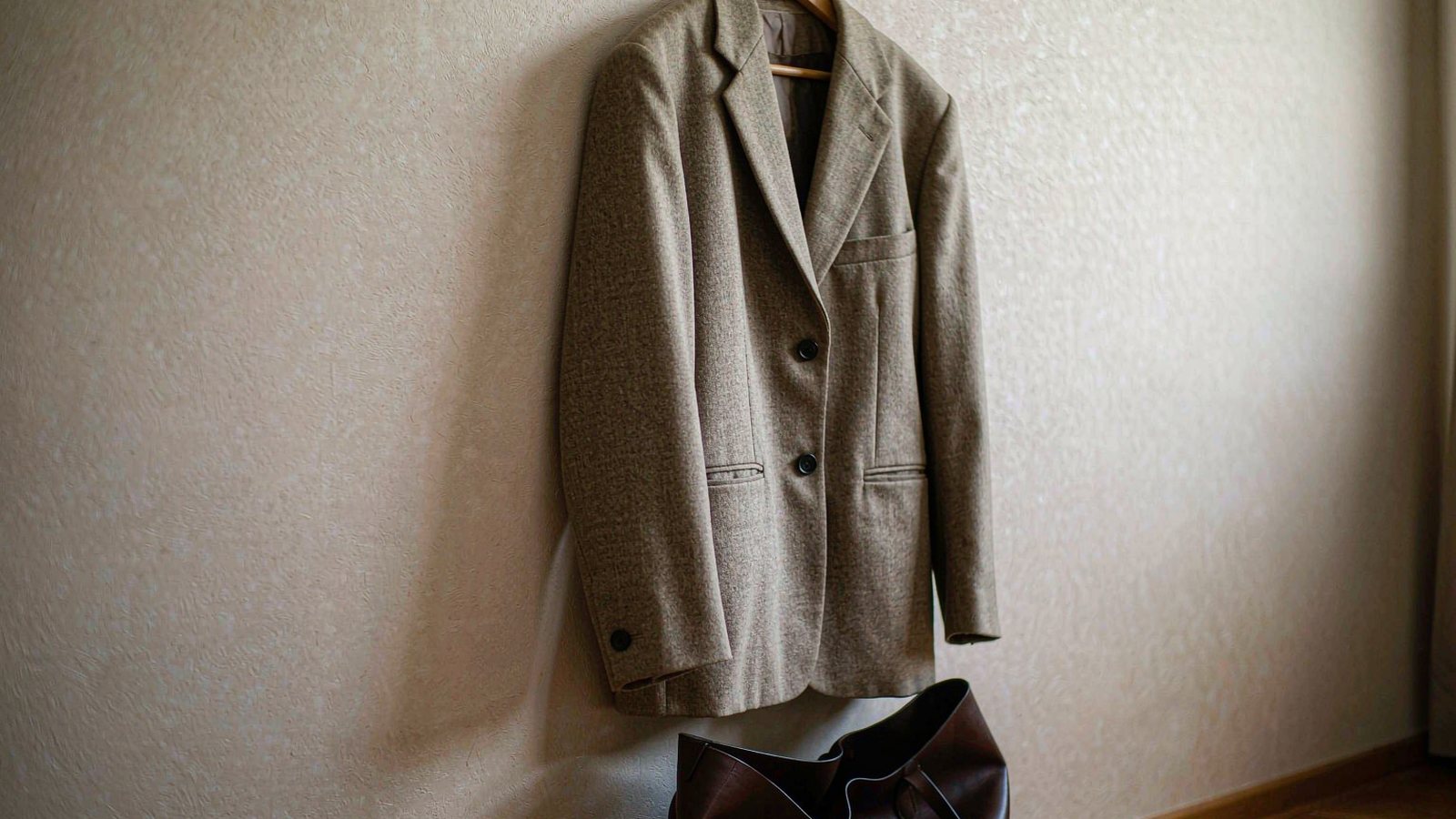
Top picks at a glance
Tap any pick to jump to the full breakdown, or use the link to check the current price.
| Pick | Best for | Check price |
|---|---|---|
| Banana Republic Classic-Fit Blazer Best overall | A jacket worn over shirts and knits in a normal office | Check price |
| Halogen Knit Blazer Best knit blazer | Long days, travel and offices where a formal suit would be out of place | Check price |
| Calvin Klein One-Button Blazer Best structured tailoring | Interviews, presentations and offices with a real dress code | Check price |
| A New Day Ponte Blazer Best budget | A first work blazer, or a spare to keep at the office | Check price |
| Anne Klein Notch Collar Blazer Best range of fits and sizes | Shoppers who cannot find their fit in a single-pattern brand | Check price |
| Vince Camuto Open-Front Blazer Best soft tailoring | Creative offices and anyone who finds structured jackets restrictive | Check price |
A blazer under two hundred dollars is a compromise, and it helps to know exactly what you are compromising on. At this price you are not buying a canvassed jacket with a hand-stitched lapel. You are buying a fused jacket with an attached lining, and the difference between a good one and a bad one comes down to how carefully it was assembled and how well it fits at the shoulder.
That last point matters more than any material upgrade, because the shoulder seam is the one thing a tailor cannot change.
What to look at, in order
1. Shoulder construction and fit
A blazer either has structure at the shoulder or it does not, and you should choose deliberately. Structured shoulders sharpen the line and suit tailoring. Unstructured or knit jackets feel better and look softer. In either case, the shoulder seam has to end at the edge of your shoulder. A jacket that is too wide at the shoulder will look borrowed, no matter how good the fabric is.
2. Fibre content
Below this price point you are choosing between a wool blend, a polyester-viscose blend and a ponte knit. Some wool content helps the jacket drape and breathe. Stretch wovens resist creasing and cost less. Ponte knits are comfortable and casual and they pill where a bag strap rubs. Check the actual fibre list, because the front-of-page description rarely matches it.
3. Lining and how it is attached
A lining that is sewn in properly with a centre vent moves with you. A lining that has been attached in a straight line down the back will pull when you raise your arms. Look at the inside of the jacket before you buy it, not just the outside.
4. Seams and finishing
Check for a back vent, which lets the jacket move and helps it hang. Look at the inside of the cuffs and the collar for loose threads, and check that the pockets are functional rather than decorative. At this price these details are the visible signs of a factory that cared.
5. Sleeve length and hem
Sleeves should finish at the wrist bone, and shortening them from the cuff is a simple alteration. Hem length should cover the top of your hip or the waistband of your trousers without cutting you in half. Both are fixable. Neither is free.
What is not worth paying extra for
- A designer label on a fused jacket. You are buying the name.
- Gold-toned buttons. They read as costume faster than any other detail.
- Shoulder pads in a knit blazer. They rarely sit flat.
- A shoulder bag after you buy. The strap will abrade the fabric where it rubs, so move the strap or accept the wear.
- A fully lined summer blazer. If you run warm, half-lining or unlined is the better choice.
How to test a blazer in the fitting room
Button it and sit down. If the jacket pulls across the back or the front gapes, it is too small through the waist, and sizing up will make the shoulders wrong. Then raise both arms as if reaching for an overhead rack, and check that the hem returns to its position rather than staying lifted.
Finally, put it on over the thickest knit you would realistically wear under a jacket. A blazer that fits over a shirt but not over a fine knit has a narrower wardrobe than you think.
How to choose in ten minutes
- Decide formality: structured woven, soft tailored, or knit.
- Check the shoulder fit before anything else.
- Read the fibre list and the care label. Dry clean only is a real ongoing cost.
- Check the lining, the back vent and the sleeve length.
- Factor in a sleeve alteration, then compare prices with that included.
When a blazer is the wrong purchase
If your office is genuinely casual, a structured blazer will sit in the wardrobe, and a knit jacket or a good cardigan will get worn instead. If you need to look formal several days a week, one cheap blazer is a false economy and a better-made jacket worn four times a week is the cheaper decision over three years. And if you are between sizes on every jacket you try, the problem is the brand’s pattern rather than your body, and a different label is a better fix than an alteration.
How this guide was compiled
This comparison draws on published fabric compositions, lining and construction descriptions, size charts and consistent themes in long-term owner reports about shoulder collapse, lining twist, pilling and colour fade. We did not cut any jacket open to inspect its interfacing. Suiting is discounted heavily at the end of each season, so we link live listings and say check the current price rather than quoting a number.
Our picks in detail
Banana Republic
01 Banana Republic Classic-Fit Blazer
A well-patterned blazer with a real shoulder structure and a lining that does not twist. Sizing runs large, so trying on before buying matters more than usual.
Best for: A jacket worn over shirts and knits in a normal office
- Structured shoulder with light padding
- Full lining with a smooth lining fabric
- Two-button single-breasted front with flap pockets
- Stretch woven fabric blend
Pros
- Shoulder line holds its shape rather than collapsing
- Lining is attached properly, so it does not pull when you move
- Cut works over a shirt or a fine knit
Cons
- Runs large through the body and sleeve
- Stretch fabric is less formal than a wool blend
We may earn a commission from this link. Learn more.
Halogen
02 Halogen Knit Blazer
The comfortable option: a knit jacket that packs flat, does not crease and travels well. Knit never gives the sharp line of a woven blazer, and it is not appropriate where tailoring is expected.
Best for: Long days, travel and offices where a formal suit would be out of place
- Stretch knit construction
- Open front with a clean, minimal collar
- Machine washable or easy care
- Packs flat without creasing
Pros
- Comfortable for a full working day
- Packs without creasing for travel
- Layers over almost anything, including a T-shirt
Cons
- No structure at the shoulder, so the line is softer
- Too casual for a formal dress code
We may earn a commission from this link. Learn more.
Calvin Klein
03 Calvin Klein One-Button Blazer
A sharper, more formal blazer with a defined waist and a proper lapel roll, closer to a suit jacket than a layering piece. The structure means it is less forgiving over bulky knits.
Best for: Interviews, presentations and offices with a real dress code
- Structured shoulder with defined waist seaming
- One-button front with notched lapels
- Full lining
- Woven fabric with a small amount of stretch
Pros
- Reads as tailoring rather than knitwear
- Waist shaping gives a clean silhouette
- Lapel roll is well finished for the price
Cons
- Fits closely, so it will not layer over a chunky sweater
- Dry clean only in most versions
We may earn a commission from this link. Learn more.
A New Day
04 A New Day Ponte Blazer
A cheap ponte blazer that holds a decent line and can be tried on in store. Ponte is a thick knit, so it feels substantial while remaining casual.
Best for: A first work blazer, or a spare to keep at the office
- Ponte knit fabric with structure
- Notched lapel and a single-button front
- Machine washable
- Pockets and a back vent
Pros
- Low price and available to try on
- Ponte holds its shape better than a thin knit
- Machine washable
Cons
- Ponte can pill where a bag strap rubs
- Finishing is basic at the lining and cuffs
We may earn a commission from this link. Learn more.
Anne Klein
05 Anne Klein Notch Collar Blazer
A dependable work blazer sold in petite, regular and plus patterns, which matters more than any styling detail when you are between standard sizing categories.
Best for: Shoppers who cannot find their fit in a single-pattern brand
- Notched collar with a single-button closure
- Available in petite, regular and plus sizes
- Fully lined
- Stretch woven fabric
Pros
- Separate patterns across height and size ranges
- Reliable fit consistency between colours
- Widely stocked, so replacements are easy
Cons
- Styling is conservative
- Fabric is a synthetic blend rather than wool
We may earn a commission from this link. Learn more.
Vince Camuto
06 Vince Camuto Open-Front Blazer
An unstructured, open-front jacket that skims rather than shapes, which suits people who dislike the feel of a fitted blazer. It is the least formal option here.
Best for: Creative offices and anyone who finds structured jackets restrictive
- Unstructured open-front construction
- Lightweight woven fabric
- Clean edge finishing without heavy interfacing
- Machine washable on a gentle cycle in some versions
Pros
- Comfortable and unrestrictive across the shoulders
- Drapes over dresses and wide-leg trousers
- Light enough for shoulder seasons
Cons
- Provides no shoulder structure at all
- Less warmth than a lined blazer
We may earn a commission from this link. Learn more.
The bottom line
Our verdict
If you need one blazer that handles most offices, the Banana Republic classic fit is the safest buy, because the shoulder is structured and the lining is properly attached, which are the two things that separate a wearable jacket from a shapeless one. If formality matters, choose the Calvin Klein, which reads as tailoring. If comfort and travel matter more, the Halogen knit blazer will get worn far more often, even though it will never look as sharp. Whatever you pick, budget for a sleeve shortening if you are outside average height, and check the return window before you commit, because shoulder fit cannot be altered.
Frequently asked questions
What fabric should a work blazer under $200 be made of?
At this price you are usually choosing between a polyester-viscose-wool blend, a stretch woven with elastane, or a ponte knit. Blends with some wool drape and breathe better; stretch wovens resist creasing and are cheaper; ponte knits are comfortable and casual. Check the fibre list rather than the price, and avoid anything that is entirely polyester with no stretch, which tends to look shiny and stiff.
Should a blazer be lined?
For a work blazer, yes. A lining helps the jacket slide over what is underneath and stops it catching on shirts and knits. An unlined or partially lined blazer is lighter and cooler in summer, but it can cling. If you run warm, look for a half-lined jacket rather than a fully unlined one.
How do I know if a blazer fits at the shoulder?
The shoulder seam should end at the edge of your shoulder, with the padding sitting on the shoulder rather than extending past it. The jacket should feel comfortable when you raise both arms and reach forward. Shoulder fit cannot be altered without rebuilding the jacket, so if it is wrong, try a different size or a different brand rather than a tailor.
Can I wear a blazer with jeans to work?
In most smart-casual offices, yes, provided the blazer has some structure and the jeans are dark and in good condition. A structured, lined jacket over dark denim reads as intentional, while a soft knit blazer over faded jeans reads as casual. When in doubt, look at what the most senior person in your office wears on a Friday.
Sources & further reading
- Banana Republic — official women's blazer fit and size guide
- Calvin Klein — official women's suiting information
- Anne Klein — official women's blazer fit and size information
Facts and availability last checked September 15, 2026.
Keep going
Related guides
 Apparel
 The Best Packable Travel Clothing for a Carry-On Only Trip
A carry-on packing guide covering fabric weight, wrinkle recovery, dry time, layering systems and laundry maths, with honest picks and their limits.
 Apparel
 Building a Plus-Size Basics Wardrobe That Actually Lasts
A practical guide to plus-size basics, covering pattern grading, fabric recovery, seam reinforcement and honest sizing charts, with picks at several budgets.
 Apparel
 The Best Sweaters That Don't Pill After Five Washes
We explain why knitwear pills and compare sweaters on fibre length, yarn ply, knit density and blend ratio, with honest caveats on each recommendation.