The Best Sweaters That Don't Pill After Five Washes
We explain why knitwear pills and compare sweaters on fibre length, yarn ply, knit density and blend ratio, with honest caveats on each recommendation.
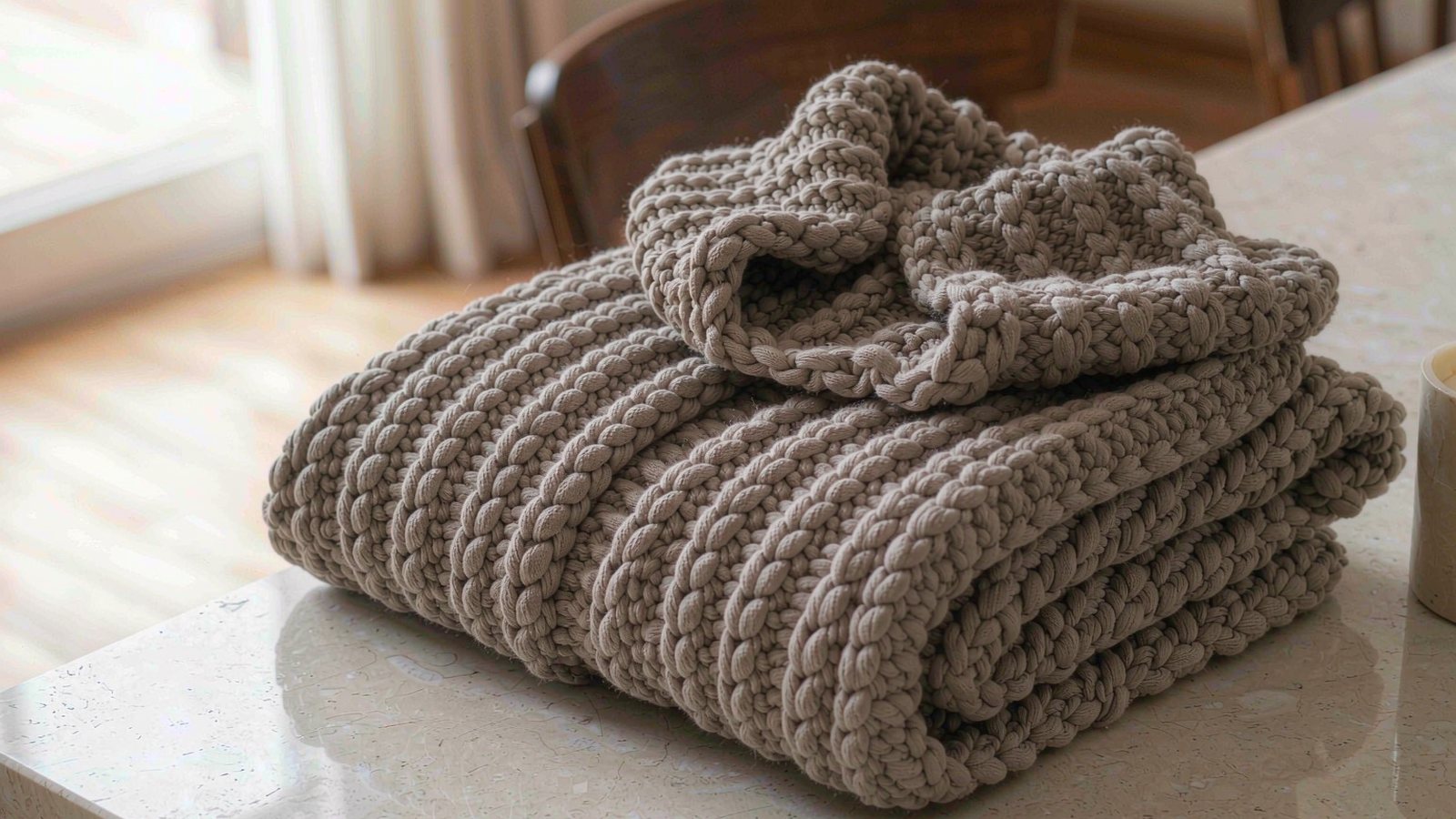
Top picks at a glance
Tap any pick to jump to the full breakdown, or use the link to check the current price.
| Pick | Best for | Check price |
|---|---|---|
| Polo Ralph Lauren Cable-Knit Cotton Sweater Best overall | Anyone who has ruined a wool sweater on a sofa arm and wants something tougher | Check price |
| State Cashmere Crewneck Sweater Best value cashmere | Anyone who wants the softness of cashmere without paying designer prices | Check price |
| Nordstrom Signature Cashmere Sweater Best premium knit | A sweater that needs to look sharp with tailoring and last several winters | Check price |
| Amazon Essentials Men's Crewneck Sweater Best budget | A low-commitment sweater for a trip, a costume, or a single winter | Check price |
| Patagonia Better Sweater 1/4-Zip Best fleece, with a fair warning | Cold offices and outdoor wear where a wool sweater would snag or get wet | Check price |
| Icebreaker Merino Waypoint Crewe Sweater Best merino option | Travel and variable indoor temperatures where wool's regulation matters | Check price |
The first time a sweater pills, most people blame the brand and buy a different one. The second time, they blame wool. Neither is usually right. Pilling is a mechanical process with a predictable cause, and it is decided by fibre length and knit density long before it happens on your sofa arm.
This guide explains what actually governs pilling, then maps it onto sweaters you can buy that are built to resist it.
Why knitwear pills, in plain terms
1. Fibre length, also called staple length
Yarn is twisted from fibres of varying length. Short fibres have less to grip, so they escape the twist and migrate to the surface, where friction rolls them into pills. Long-staple wool, long-fibre cotton and higher-grade cashmere all hold together better for the same reason. This is the single biggest factor, and it is the one brands mention least.
2. Ply count
Two-ply yarn twists two strands together, which creates a stronger, smoother yarn with fewer loose ends. One-ply yarn is faster and cheaper to produce and pills more readily. If a product page says two-ply, it is telling you something useful.
3. Knit density and gauge
A tight, dense knit holds fibres in place. A loose, airy knit lets them move. This is why a heavy cable knit resists pilling even in an ordinary cotton, while a loose, soft wool blend pills almost immediately. Density matters more than the material for most people.
4. Blend ratio
Acrylic and other short synthetic fibres pill heavily under friction. A small amount of nylon or polyester in a wool blend can improve durability at friction points such as the underarm, but a blend that is mostly acrylic will pill regardless of how it feels in the shop.
5. Friction, which you control
Pilling is a wearing-in process. Bag straps, seatbelts, coat linings and underarm rubbing start it. A sweater worn under a scratchy coat will pill faster than the same sweater worn over a shirt. Reducing friction is the only thing you can control after purchase.
What is not worth paying extra for
- A designer logo on a basic crew. You are buying a mark, not a fibre.
- A very soft hand feel in the shop. Extreme softness often comes from loose, short fibres, which is exactly what pills.
- Certification labels alone. A traceability scheme says nothing about staple length or ply.
- Cashmere blends at a low price. If the cashmere content is 10 per cent, expect acrylic performance.
- De-pilling combs sold as accessories. Useful, but they treat the symptom rather than the cause.
How to judge a sweater in the shop, in under a minute
Hold it up to the light. If you can see daylight through the knit easily, it is loose and will pill where it rubs. Squeeze a section between thumb and finger and release. A dense knit springs back; a loose one stays compressed.
Rub the fabric gently against your sleeve or a chair arm and look for loose fibres lifting. Some fuzz is normal. Visible strands coming free immediately mean the yarn has short fibres in it.
How to choose in ten minutes
- Decide the fibre: dense cotton for durability, merino for temperature regulation, cashmere for warmth without weight.
- Look for two-ply yarn or a stated fibre grade, and treat silence as a warning.
- Check the knit density by holding it against the light.
- Avoid blends where acrylic is the dominant fibre.
- Buy one, wash it once cold, dry it flat, then decide whether to buy a second.
When a new sweater is not the answer
If you already own a sweater that pills, a comb or a fabric shaver will restore the surface and it will stay wearable for years. If your complaint is that sweaters feel clammy indoors, the issue is the fibre blend rather than the quality, and merino or a lighter gauge is the fix. And if you simply want warmth for a cold flat, a fleece or a knitted jacket will outperform any decorative knit at the same price.
A note on how this guide was put together
We did not run abrasion tests. The guidance here is based on published fibre specifications, yarn descriptions, care instructions and consistent themes in multi-season owner reports about pilling, shrinkage and shape loss at the cuffs. Where a brand does not publish staple length or ply, we say so rather than guessing. Knitwear is heavily discounted after the winter season, so we link live listings and say check the current price.
Our picks in detail
Polo Ralph Lauren
01 Polo Ralph Lauren Cable-Knit Cotton Sweater
A dense cable knit in cotton that resists pilling better than almost any wool at the same price, because cotton fibres are longer and the knit is tight. It is heavier and less warm than wool.
Best for: Anyone who has ruined a wool sweater on a sofa arm and wants something tougher
- Heavy cable-knit cotton
- Ribbed cuffs, hem and crew neck
- Dense construction with a low air content
- Machine washable on a gentle cycle
Pros
- Tight cable knit traps fibres so pills do not form
- Cotton holds colour well and does not felt in the wash
- Works over a shirt without adding bulk at the shoulder
Cons
- Heavy for its warmth compared with wool
- Loses shape at the neck if hung rather than folded
We may earn a commission from this link. Learn more.
State Cashmere
02 State Cashmere Crewneck Sweater
Cashmere with a longer average fibre length than the price suggests, which is the main defence against pilling. Even good cashmere will pill where a bag strap rubs.
Best for: Anyone who wants the softness of cashmere without paying designer prices
- Cashmere knit with a stated fibre grade
- Ribbed neck, cuffs and hem
- Lightweight gauge suitable for layering
- Dry clean or hand wash
Pros
- Longer fibres resist pilling better than cheap cashmere
- Warm for very little weight
- A fraction of the price of comparable department-store cashmere
Cons
- Cashmere still pills under friction, especially at the underarm
- Care requirements are stricter than cotton
We may earn a commission from this link. Learn more.
Nordstrom Signature
03 Nordstrom Signature Cashmere Sweater
A well-finished cashmere crew with a tighter knit and cleaner seams than the value options. The price is high, and you are buying construction and fibre grade rather than a logo.
Best for: A sweater that needs to look sharp with tailoring and last several winters
- Fine-gauge cashmere with a tighter knit structure
- Ribbed collar, cuffs and hem
- Clean, narrow seams for a tailored silhouette
- Available in a broad size run
Pros
- Tight gauge reduces friction between fibres
- Sits flat under a blazer without bulking at the shoulder
- Holds colour and shape over multiple seasons with care
Cons
- Expensive for a basic crew
- Needs folding, washing cold and de-pilling occasionally
We may earn a commission from this link. Learn more.
Amazon Essentials
04 Amazon Essentials Men's Crewneck Sweater
A cheap, serviceable knit that will pill and will not last forever. It is worth owning if you want a sweater for a season without spending much, and not otherwise.
Best for: A low-commitment sweater for a trip, a costume, or a single winter
- Cotton and acrylic blend knit
- Ribbed neck, cuffs and hem
- Machine washable
- Wide size range including larger sizes
Pros
- Very cheap for a presentable crew
- Machine washable and forgiving of heat
- Good size availability
Cons
- Acrylic pills heavily under friction
- Loses shape at the cuffs after a season
We may earn a commission from this link. Learn more.
Patagonia
05 Patagonia Better Sweater 1/4-Zip
A fleece that behaves like a sweater and is genuinely hard wearing, though it is not immune to pilling and will eventually show it at friction points. Recommended for the honesty of that trade.
Best for: Cold offices and outdoor wear where a wool sweater would snag or get wet
- Recycled polyester fleece with a sweater-knit face
- Quarter-length zip for ventilation
- Brushed tricot lining
- Machine washable
Pros
- Very durable against abrasion compared with knit wool
- Dries quickly and holds shape through repeated washing
- Repairable through the brand
Cons
- Polyester fleece pills at friction points over time
- Not as warm as wool for the same bulk in wind
We may earn a commission from this link. Learn more.
Icebreaker
06 Icebreaker Merino Waypoint Crewe Sweater
A merino sweater that regulates temperature and resists odour, with the fine-fibre feel that keeps it from itching. Fine merino is more delicate than cotton and needs more care.
Best for: Travel and variable indoor temperatures where wool's regulation matters
- Merino wool knit with fine fibre specification
- Ribbed collar, cuffs and hem
- Naturally odour resistant
- Machine washable on a wool cycle
Pros
- Comfortable in a warm office and outdoors
- Can be worn several times between washes
- Fine fibre means no itch against the neck
Cons
- Fine merino snags and abrades more easily than cotton
- Requires cold washing and flat drying
We may earn a commission from this link. Learn more.
The bottom line
Our verdict
If your priority is a sweater that still looks new after a winter of wear, the cable-knit cotton is the safest choice, because a dense knit in long-fibre cotton has far less opportunity to pill than a loose wool blend. If you want softness and warmth for very little weight, buy the value cashmere and accept that you will need a fabric shaver once a season. Skip acrylic blends entirely if pilling is your complaint, and if you have already written off wool because one sweater went bobbly, remember that the fault was usually the fibre length and the knit density rather than the fibre itself. Check the current price and look for a return window long enough to wash the sweater once before deciding.
Frequently asked questions
Why do some sweaters pill and others do not?
Pilling happens when short fibres work loose from the yarn, tangle on the surface and form balls. Longer fibres, a tighter knit and a higher ply count all reduce it. Blends with a lot of acrylic or short-staple wool pill fastest. Friction from bag straps, seatbelts and underarm rubbing is what starts the process.
Does washing make pilling worse?
It can. Agitation in a washing machine works fibres loose, and heat can cause wool to felt, which permanently tightens and shrinks the knit. Wash knitwear cold, inside out, on a gentle cycle with a wool-safe detergent, or hand wash, and dry flat rather than in a dryer.
Should I use a fabric shaver or a cashmere comb?
Both work, and they serve slightly different purposes. A sweater comb lifts loose fibres and removes pills from finer knits such as cashmere and merino. A fabric shaver trims pills from denser knits and fleece. Used gently and occasionally, neither damages the garment. Never pull pills off by hand, which drags more fibre loose.
Is cashmere worth the money if it pills anyway?
Good cashmere pills less than cheap cashmere because the fibres are longer, and it can be de-pilled and worn for many years rather than a single season. If you want a sweater that needs almost no maintenance, a dense cotton cable knit is a better choice. If you want warmth without weight, cashmere earns its price.
Sources & further reading
- Icebreaker — official merino fibre and garment care information
- Patagonia — fleece materials and repair programme information
- The Woolmark Company — wool fibre and pilling guidance
Facts and availability last checked September 15, 2026.
Keep going
Related guides
 Apparel
 The Best Packable Travel Clothing for a Carry-On Only Trip
A carry-on packing guide covering fabric weight, wrinkle recovery, dry time, layering systems and laundry maths, with honest picks and their limits.
 Apparel
 Building a Plus-Size Basics Wardrobe That Actually Lasts
A practical guide to plus-size basics, covering pattern grading, fabric recovery, seam reinforcement and honest sizing charts, with picks at several budgets.
 Apparel
 The Best Loungewear Sets for Working From Home
We compared work-from-home loungewear on fabric weight, elastic recovery, waistband construction, opacity on video calls and how it holds up to constant washing.