The Best Rain Jackets for Commuters Who Walk to the Station
We compare commuter rain jackets on hydrostatic head, seam sealing, breathability, hood adjustment and packability, with honest limits on each pick.
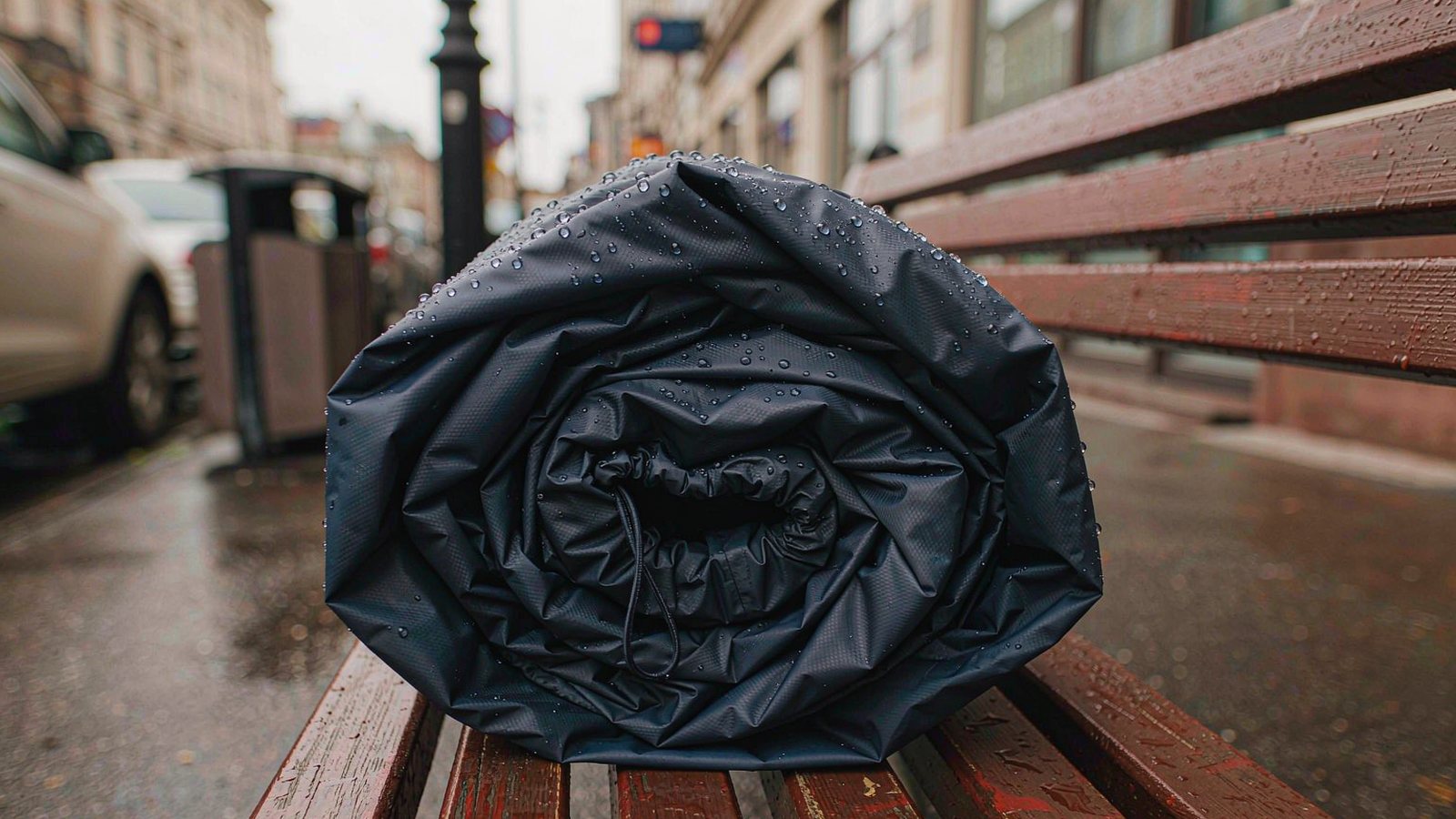
Top picks at a glance
Tap any pick to jump to the full breakdown, or use the link to check the current price.
| Pick | Best for | Check price |
|---|---|---|
| Patagonia Torrentshell 3L Rain Jacket Best overall | Daily walking commutes in genuine rain, all winter | Check price |
| Marmot PreCip Eco Rain Jacket Best value | Commuters who want a jacket that lives in a backpack and never gets in the way | Check price |
| Columbia Watertight II Rain Jacket Best budget | School runs, dog walks and short commutes on a tight budget | Check price |
| REI Co-op Rainier Rain Jacket Best for cycling and brisk walks | Cycling to work, or walking fast enough to work up heat | Check price |
| Arc'teryx Beta Jacket Best premium | People who want one shell for commuting and hill walking, and will keep it a decade | Check price |
| The North Face Venture 2 Jacket Best packable | Commuters who want insurance in a bag rather than a daily jacket | Check price |
A commuter rain jacket has one job and a difficult set of conditions. It has to keep a fifteen-minute walk dry, it has to be bearable on a packed train, it has to survive being stuffed into a bag, and it should not look like climbing equipment in an office.
That combination rules out a lot of jackets that are excellent at other things. An ultralight emergency shell is not the same product as a daily wearer, and a heavy mountain shell will have you overheating by the second block.
What actually decides whether a shell works
1. Waterproofing, stated as a hydrostatic head
This figure describes the water pressure a fabric resists before leaking. Around 10,000 mm covers urban rain comfortably. Above that you are paying for conditions a commute rarely produces. A stated rating with unsealed seams is a marketing exercise, so check for taped seams as well.
2. Construction, two-layer against three-layer
In a three-layer laminate the waterproof membrane is bonded to both an outer face fabric and an inner scrim, so nothing hangs loose against your skin. Two-layer jackets use a separate mesh or taffeta liner. Coated two-and-a-half-layer shells are lightest and cheapest and the most prone to feeling clammy.
3. Breathability and ventilation
Breathability ratings are tested in conditions that do not resemble a damp city morning. What helps in practice is mechanical ventilation. Pit zips move a surprising amount of humid air out of a jacket, and they are worth more than a slightly better breathability number on a spec sheet.
4. The hood
A hood that cannot be adjusted will flap in wind and channel rain down your neck. Look for a drawcord at the back or sides to change the volume, and a stiffened visor that keeps rain off your face. A roll-away hood is convenient but usually less protective.
5. Packability and abrasion resistance
Light fabric packs smaller and snags sooner. If the jacket lives loose in a bag with keys, a laptop and a bike lock, a slightly heavier face fabric will outlast a very light one.
What we would not pay extra for
- A four-figure rating for city use. You will never test it on a walk to the station.
- A second waterproof layer for the shoulders. Useful on mountains, irrelevant in traffic.
- Recycled-content claims without numbers. Ask what percentage, or treat it as decoration.
- A stowable hood on a daily wearer. You will leave it out anyway.
- Pit zips on a jacket you only wear for five minutes. They add cost and a failure point.
How to fit and test a shell in one evening
Wear it over the layers you actually commute in, including a bag strap on one shoulder. Raise both arms above your head. If the hem lifts above your waistband, the jacket is too short for cycling or reaching for a rail.
Then stand in the shower for two minutes with the hood up and adjust the cords until water runs off the visor rather than down your face. Do this before the return window closes, not after.
How to choose in ten minutes
- Decide whether this is a daily jacket or bag insurance. The two are different purchases.
- Check that the seams are taped, not just that a waterproof rating is claimed.
- Confirm the hood has at least one adjustment and a visor.
- Weigh the jacket against your bag. Anything too heavy stays at home.
- Buy from a retailer whose returns window covers a real rainy day.
When you do not need a technical shell
If your commute is door to car to door, a water-resistant jacket with a good hood is enough and costs far less. If you mainly need to protect a suit, a lightweight packable shell plus an umbrella outperforms any single jacket. And if you already own a decent shell that wets out, clean it and reapply a water repellent finish before buying a replacement.
A note on method
This guide is built from published specification sheets, care instructions, warranty terms and themes in long-term owner reports about hoods, breathability and durability. We did not run rain-room tests. Waterproof shell pricing varies sharply by season and colourway, so always check the current price on the listing rather than relying on any figure quoted elsewhere.
Our picks in detail
Patagonia
01 Patagonia Torrentshell 3L Rain Jacket
A three-layer shell that behaves like a much more expensive jacket and is backed by a repair programme. The honest caveat is that three-layer fabric feels stiffer than lighter shells.
Best for: Daily walking commutes in genuine rain, all winter
- Three-layer waterproof and breathable fabric with a durable water repellent finish
- Fully taped seams
- Two-way adjustable hood with a laminated visor
- Packs into its own pocket
Pros
- Three-layer construction avoids the clammy feel of a hanging liner
- Adjustable hood stays put in wind rather than flapping
- Repairable through the brand rather than disposable
Cons
- Fabric is crisper and noisier than lightweight shells
- Heavier to carry than a packable emergency jacket
We may earn a commission from this link. Learn more.
Marmot
02 Marmot PreCip Eco Rain Jacket
The long-running value pick, light enough to keep in a bag permanently. It is a two-and-a-half-layer jacket, so it feels stickier than a three-layer shell in humid conditions.
Best for: Commuters who want a jacket that lives in a backpack and never gets in the way
- Waterproof and breathable coated fabric with taped seams
- Roll-away hood that stows at the collar
- Pit zips for ventilation
- Packs into its own pocket
Pros
- Very light for the level of waterproofing
- Pit zips genuinely help on a fast walk to the station
- Available in a wide size range
Cons
- Coated interior can feel clammy against bare arms
- Durable water repellent finish needs refreshing over time
We may earn a commission from this link. Learn more.
Columbia
03 Columbia Watertight II Rain Jacket
A simple, fully seam-sealed shell at a low price. Breathability is the clear compromise, so it is a jacket for short walks rather than long ones.
Best for: School runs, dog walks and short commutes on a tight budget
- Seam-sealed waterproof nylon shell
- Attached adjustable storm hood
- Elastic cuffs and a drawcord hem
- Mesh lining
Pros
- Keeps rain out reliably for the money
- Folds small enough to leave in a tote
- Widely available in store to check the fit
Cons
- Runs warm and humid on a longer walk
- Light fabric and basic hardware compared with the premium picks
We may earn a commission from this link. Learn more.
REI Co-op
04 REI Co-op Rainier Rain Jacket
A well-priced shell with the features that matter when you are moving, including pit zips and a helmet-compatible hood. Cut is generous, which helps over a bag strap.
Best for: Cycling to work, or walking fast enough to work up heat
- Waterproof and breathable shell with taped seams
- Underarm ventilation zips
- Adjustable hood
- Two zipped hand pockets
Pros
- Ventilation makes a real difference when moving
- Good price for a seam-sealed shell
- Backed by a generous returns policy
Cons
- Cut is boxy, so it looks loose over a suit
- Sleeves run long on shorter frames
We may earn a commission from this link. Learn more.
Arc'teryx
05 Arc'teryx Beta Jacket
A Gore-Tex shell with premium finishing and a price to match. Worth it only if you will wear it hard for years; for occasional rainy commutes the value picks do the same job.
Best for: People who want one shell for commuting and hill walking, and will keep it a decade
- Gore-Tex waterproof and breathable laminate
- Micro-seam allowance and taped seams throughout
- Adjustable StormHood
- Watertight zippers
Pros
- Excellent waterproofing and breathability balance
- Trim cut that works over a shirt without billowing
- Durable construction with a long service life
Cons
- By far the most expensive option here
- Trim fit limits what you can layer underneath
We may earn a commission from this link. Learn more.
The North Face
06 The North Face Venture 2 Jacket
A lightweight shell that folds into its own pocket and disappears into a bag. It handles drizzle and short showers well, less so a sustained downpour.
Best for: Commuters who want insurance in a bag rather than a daily jacket
- Waterproof, breathable DryVent shell with taped seams
- Packs into its own hand pocket
- Adjustable hood that stows in the collar
- Velcro cuff tabs
Pros
- Very light and compact when packed
- Reliable for showers and short walks
- Available in a broad range of colours and sizes
Cons
- Thin fabric feels less durable in a bag full of keys and laptops
- Not the jacket for an hour in heavy rain
We may earn a commission from this link. Learn more.
The bottom line
Our verdict
For most commuters the Patagonia Torrentshell 3L is the safest buy because three-layer construction handles a long wet walk without turning clammy, and it can be repaired rather than replaced. If you want light and cheap, the Marmot PreCip Eco does most of the job for less money and folds smaller. If the budget is tight, the Columbia Watertight II keeps rain out on short walks and nothing more. Whichever you choose, buy somewhere with a proper return window, test it in the shower or in real rain before the window closes, and check the current price because shell pricing is seasonal.
Frequently asked questions
What hydrostatic head rating do I need for commuting?
For city rain, a rating around 10,000 mm is plenty, and many commuter jackets are rated in that region. Higher ratings matter more for sustained heavy rain and for packs pressing against the fabric. Seam sealing and a well-adjusted hood affect your comfort more than a big headline number.
Why does my rain jacket stop beading water after a year?
The durable water repellent finish on the outer fabric wears off with abrasion and washing. The jacket is still waterproof, but the outer layer wets out and the fabric feels cold and clammy. Cleaning it correctly and reapplying a spray-on or wash-in DWR restores the beading.
Is a two-layer or three-layer jacket better for commuting?
Three-layer laminates feel drier against the skin and resist the cling that coated two-layer jackets develop when you sweat. Two-and-a-half-layer shells are lighter and cheaper and pack smaller. For a daily walk in real rain, three-layer is the better experience; for a jacket that stays in a bag, lighter wins.
How should I wash a waterproof jacket?
Wash it occasionally with a technical cleaner rather than regular detergent, which leaves residues that attract water. Use a cool cycle, rinse thoroughly, and either tumble dry on low or apply heat as the care label allows, since warmth reactivates the water repellent finish. Avoid fabric softener entirely.
Sources & further reading
- Patagonia — Torrentshell 3L product and materials page
- Marmot — PreCip Eco technical specification page
- Arc'teryx — Gore-Tex shell technology and care guide
Facts and availability last checked September 15, 2026.
Keep going
Related guides
 Apparel
 The Best Packable Travel Clothing for a Carry-On Only Trip
A carry-on packing guide covering fabric weight, wrinkle recovery, dry time, layering systems and laundry maths, with honest picks and their limits.
 Apparel
 Building a Plus-Size Basics Wardrobe That Actually Lasts
A practical guide to plus-size basics, covering pattern grading, fabric recovery, seam reinforcement and honest sizing charts, with picks at several budgets.
 Apparel
 The Best Sweaters That Don't Pill After Five Washes
We explain why knitwear pills and compare sweaters on fibre length, yarn ply, knit density and blend ratio, with honest caveats on each recommendation.