The Best Office Chairs for Back Pain and Long Days
Lumbar adjustment, seat depth and recline tension do the real work. Six office chairs worth considering, and the adjustments that actually help.
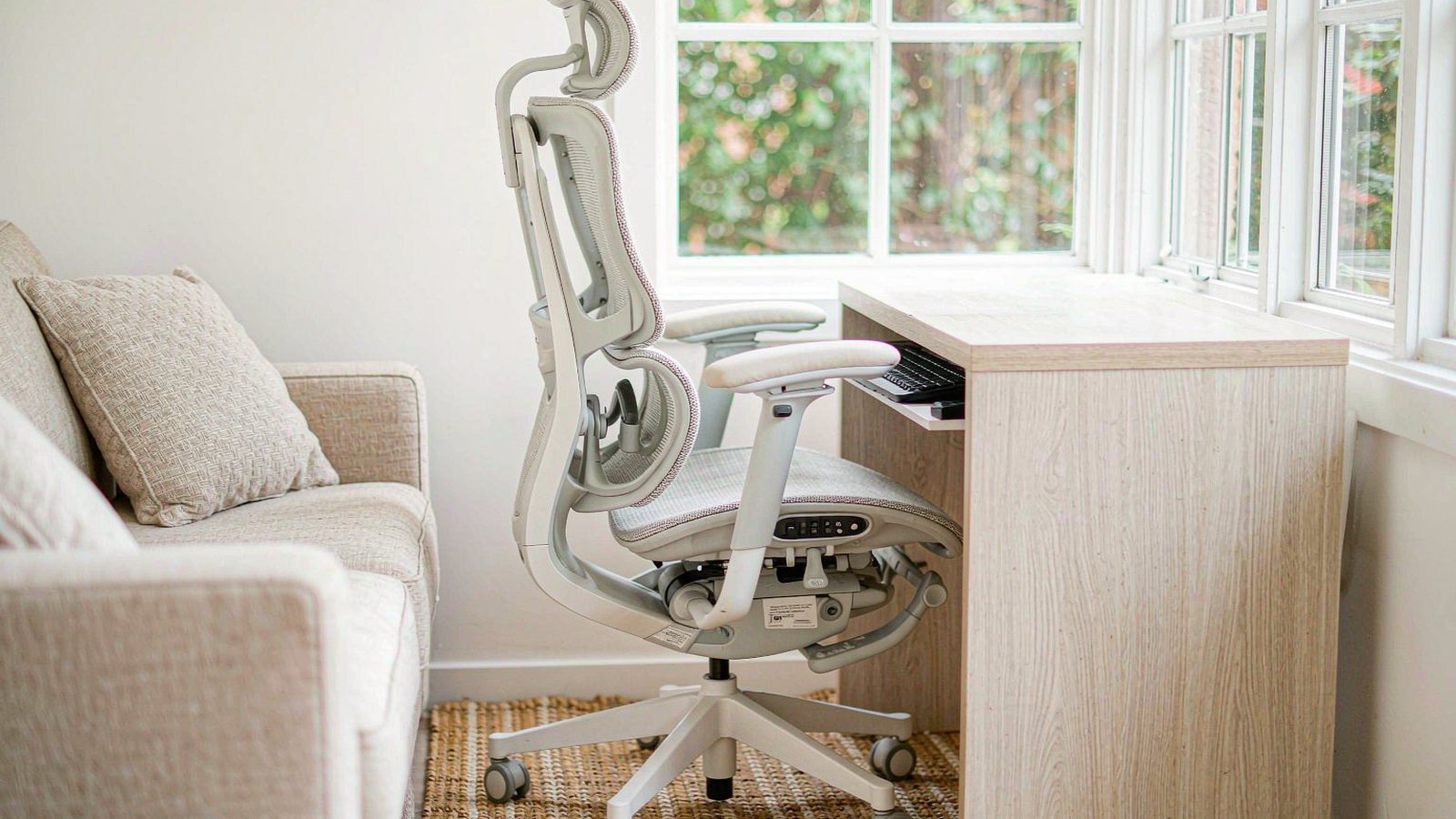
Top picks at a glance
Tap any pick to jump to the full breakdown, or use the link to check the current price.
| Pick | Best for | Check price |
|---|---|---|
| Steelcase Leap V2 Best overall | Long working days with recurring lower-back discomfort | Check price |
| Herman Miller Aeron Best for airflow and posture | Warm rooms and anyone who wants the seat to stay cool | Check price |
| Steelcase Gesture Best for device work | People who work across several devices and never sit still | Check price |
| Branch Ergonomic Chair Best value | Buyers who want genuine ergonomic adjustments without paying flagship prices | Check price |
| HON Ignition 2.0 Best budget | Home offices on a strict budget that still need lumbar adjustment | Check price |
| Herman Miller Sayl Best for small rooms | Bedrooms and tight corners where a bulky chair dominates the room | Check price |
Back pain sends a lot of people shopping for an office chair, and the market is happy to meet them with claims about posture, spine alignment and pressure relief. The physical reality is more modest. A chair can support a comfortable position and it can be adjusted to fit your body. It cannot undo eight hours of not moving.
That does not make the choice unimportant. A chair that fits will let you sit well for longer, and the difference between a well-adjusted mid-range chair and a badly adjusted expensive one is larger than the difference between two price tiers.
What a chair can and cannot do
A chair holds your pelvis and thighs in a position where the spine can rest in its natural curve. It does that through seat height, seat depth, lumbar support and the angle of the recline. If any of those are wrong, your body compensates and something starts aching.
What a chair cannot do is make up for a monitor that sits too low, a keyboard that is too high, or a day with no breaks. If your screen is at chest height, no chair will save your neck.
The adjustments worth paying for
Seat depth
The most underrated control on any chair. If the seat pan is too long, it presses behind your knee and you slide forward, which flattens your lower back. If it is too short, your thighs take all the load. A sliding seat pan fixes both, and it matters more the further you are from average height.
Adjustable lumbar support
Height adjustment lets you place support in the curve of your lower back rather than wherever the manufacturer decided. Adjustable firmness is better still, because some people want a firm push and some find it irritating. A fixed lumbar bump is the single most common reason a chair feels wrong.
Recline tension and a lock that holds
Your back needs to change angle through the day. Tension that is too stiff means you never lean back; tension that is too soft means you feel unstable. A lock that holds a couple of positions is worth more than a wide recline range you never explore.
Armrests that go where your arms go
Armrests should support your forearms at roughly desk height with your shoulders relaxed. Four-way adjustment is nice, but height adjustment alone covers most of the benefit.
Mesh, foam and everything between
A mesh seat and back keeps you cool and holds its shape for years. It is also firm, and a lot of people find the front edge uncomfortable. A foam seat feels more like furniture and compresses gradually, which is why cheap foam goes flat long before the frame gives up. Many good chairs combine a mesh back with a padded seat, which is a reasonable middle ground.
What we would not pay extra for
- Headrests on a task chair. They encourage leaning back to watch rather than supporting your neck while you work.
- Massage and heating functions. They add failure points and rarely match real support.
- Gaming styling. The racing-seat shape is a car design, not an ergonomic one.
- A weight rating far above your own. It says nothing about how the chair fits.
- Matching the chair to the desk colour. Nobody notices after a week.
How to decide in ten minutes
- Set your desk, monitor and keyboard height first. A chair cannot fix a bad desk setup.
- Check that the chair has seat depth adjustment and lumbar height adjustment. Everything else is secondary.
- Match the seat and frame size to your body, especially if you are well under or over average height.
- Decide mesh or foam based on how warm your room gets and whether you like a firm seat.
- Look at the refurbished market for long-warranty commercial chairs before buying new.
- Check the current price, warranty length and return policy. A chair that does not suit you is a return, so the window matters.
Who should not buy an expensive chair
If your discomfort comes mostly from sitting still for hours rather than from the chair, a cheaper chair plus a habit of standing up every half hour will do more. The same applies if your desk is the wrong height or your monitor is too low. And if the pain is persistent, sharp or radiating, the useful next step is a clinician, not a shopping guide.
A note on how this guide was put together
We did not sit in these chairs for months. This guide draws on published specification sheets, adjustment ranges, warranty terms and consistent themes in owner reports from long-term users, which is where foam compression and armrest mechanisms show their age. Where we describe how a mechanism feels, we are summarising repeated owner experience rather than a measurement we took. Prices and model years change, so each pick says check the current price.
Our picks in detail
Steelcase
01 Steelcase Leap V2
The chair that most ergonomics advisers recommend when someone describes daily lower-back discomfort, because the backrest flexes with you instead of holding a fixed curve. It is expensive, heavy and not especially pretty.
Best for: Long working days with recurring lower-back discomfort
- Flexible backrest that changes shape as you recline
- Adjustable lumbar firmness rather than only lumbar height
- Seat depth adjustment and adjustable armrests
- Published long-term warranty from the manufacturer
Pros
- Back support that adapts instead of pushing in one spot
- Seat depth adjustment matters enormously for shorter and taller users
- Extremely durable, with a strong refurbished market
Cons
- Expensive new, though refurbished units are widely available
- Foam seat runs warm in a stuffy room
- Heavy to move and awkward to assemble alone
We may earn a commission from this link. Learn more.
Herman Miller
02 Herman Miller Aeron
The mesh chair that defined the category, sold in three sizes rather than one. The honest caveat is that a mesh seat and a firm pelvic support do not suit everybody, and the size you order is the size you get.
Best for: Warm rooms and anyone who wants the seat to stay cool
- Suspension mesh seat and back
- Three published frame sizes
- Adjustable lumbar support and posture-fit back option
- Long published warranty period
Pros
- Stays comfortable in a warm room because air moves through the mesh
- Sizing means a genuinely better fit for smaller and larger bodies
- Holds its value and is easy to buy secondhand
Cons
- Firm front edge on the seat bothers some people
- Mesh is unforgiving if you dislike a firm seat
- Getting the wrong size is a costly mistake
We may earn a commission from this link. Learn more.
Steelcase
03 Steelcase Gesture
Built around armrests that move in more directions than anything else in mainstream office seating, which helps if you spend the day switching between a keyboard, a tablet and a phone. The seat is firmer than the Leap.
Best for: People who work across several devices and never sit still
- Highly adjustable armrests that follow the shoulder rather than the desk
- Adjustable seat depth and lumbar support
- Reclines with a choice of stop positions
- Published long-term warranty from the manufacturer
Pros
- Arm support that adapts to how you actually hold a device
- Comfortable for people who change position constantly
- Build quality that lasts through years of daily use
Cons
- Premium price comparable to the Leap
- Firmer seat than some people expect at this price
- Armrest mechanism adds weight and visual bulk
We may earn a commission from this link. Learn more.
Branch
04 Branch Ergonomic Chair
A mid-priced chair with the adjustments that matter, sold direct and delivered flat-packed. It does not have the backrest articulation of the Leap, and owners report the seat foam softening sooner than premium chairs do.
Best for: Buyers who want genuine ergonomic adjustments without paying flagship prices
- Adjustable lumbar support, seat depth and armrests
- Breathable mesh back with a foam seat
- Tilt tension and lock control
- Casters suited to different floor types
Pros
- Includes the core adjustments at a much lower price
- Quick to assemble and reasonably light
- Looks at home in a living room office
Cons
- Foam compresses sooner than premium office seating
- Recline feel is less refined than the high-end chairs
- Fewer size options
We may earn a commission from this link. Learn more.
HON
05 HON Ignition 2.0
A practical mid-back task chair from a long-established office furniture maker, usually the cheapest way to get real adjustability. Expect plastic where the expensive chairs use metal, and arms that move less freely.
Best for: Home offices on a strict budget that still need lumbar adjustment
- Mid-back mesh design with adjustable lumbar support
- Seat height and depth adjustment on most configurations
- Height-adjustable arms
- Sold in fabric and mesh finishes
Pros
- Core adjustments at a budget price
- Commonly available refurbished and through office suppliers
- Simple to assemble
Cons
- Movement feels less smooth than the premium chairs
- Armrest adjustment is limited
- Warranty terms are shorter than the flagship brands
We may earn a commission from this link. Learn more.
Herman Miller
06 Herman Miller Sayl
A visually light chair with a suspension back and a smaller footprint than most ergonomic seating, which matters in a bedroom office. The suspended back is supportive in a different way from a padded one, and some people never get used to it.
Best for: Bedrooms and tight corners where a bulky chair dominates the room
- Suspension backrest with a framed structure
- Adjustable seat height, arms and tilt tension
- Compact overall footprint
- Published long-term warranty from the manufacturer
Pros
- Takes up noticeably less visual and physical space
- Backrest flexes without a rigid plastic shell
- Available in several colours to suit a home rather than an office
Cons
- Lumbar adjustment is less comprehensive than the Leap
- Smaller seat suits smaller frames better
- Premium price for a chair with fewer adjustments
We may earn a commission from this link. Learn more.
The bottom line
Our verdict
If lower-back discomfort is the reason you are shopping, the Steelcase Leap V2 is the safest recommendation because its backrest adjusts to you rather than the other way around, and a refurbished unit brings the cost down considerably. The Aeron remains the better choice in a warm room and for anyone who wants a firm, supportive seat, provided you order the right size. If the budget will not stretch, the Branch Ergonomic Chair covers the adjustments that matter most, and the HON Ignition 2.0 does the same job with cheaper materials. None of these will fix back pain on its own, so check the current price, confirm the warranty and the return window, and treat the chair as one part of a setup that includes a properly placed monitor.
Frequently asked questions
Will a better chair cure my back pain?
Not on its own. A chair supports posture, but screen height, how often you stand up, and whether you actually use the adjustments all matter. Treat a good chair as one part of the setup, and see a clinician for persistent pain rather than shopping for furniture.
Is mesh better than foam for back support?
Neither is universally better. Mesh breathes and holds a consistent shape, which suits warm rooms and people who want firm support. Foam conforms and feels softer initially, but it compresses over years of use. The adjustment range of the chair matters more than the material.
Which adjustment should I use first?
Seat height, then seat depth. Set the height so your feet are flat and your thighs are level, then adjust depth so there are a couple of fingers of space behind your knee. Lumbar support and recline come after those two are right.
Are refurbished office chairs worth buying?
Often yes, particularly for the long-warranty commercial brands. Refurbished units are commonly ex-office stock with replaced casters and gas lifts, which is why they cost much less. Check what the seller replaced and what warranty they offer, since the manufacturer warranty may not transfer.
Sources & further reading
- Steelcase — official Leap and Gesture product pages
- Herman Miller — official Aeron and Sayl product pages
- HON — official Ignition 2.0 seating page
Facts and availability last checked September 15, 2026.
Keep going
Related guides
 Home
Home The Best Air Fryers for Two-Person Households
Basket size, footprint and cleaning effort decide whether an air fryer earns its counter. Six models sized for two people, from compact to oven-style.
 Home
Home The Best Blenders for Daily Smoothies and Small Counters
Motor wattage, jar material and blade design decide how a blender handles frozen fruit. Six blenders that suit a smoothie habit and a tight kitchen.
 Home
Home The Best Standing Desks for a Small Home Office
Stability, desktop depth and assembly effort matter more than lift speed. Here is how to pick a height-adjustable desk that fits a small home office.